
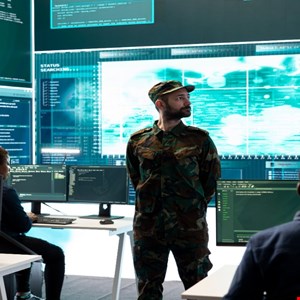
Surge in Cybersecurity Spending Anticipated in Defense Sector Amid Rising Cyber Threats
Cybersecurity expenditure within the defense sector is expected to experience a significant increase, driven by escalating cyber threats targeting military systems and a growing demand for offensive cyber capabilities. A recent report from the management consulting firm MarketsandMarkets, published on September 14, forecasts that the cyber warfare market will undergo substantial growth in the coming years, with expectations of its value doubling from $14.99 billion in 2026 to an impressive $28.75 billion by 2031.
The report highlights key factors contributing to this remarkable growth forecast. In recent times, defense organizations have found themselves compelled to invest more significantly in robust cybersecurity measures. This necessity stems from a noticeable rise in cyber attacks targeting military networks and mission-critical systems. The increasing interconnectedness of platforms, cloud infrastructures, and digital command-and-control networks has, unfortunately, intensified the cyber risks that defense organizations must now navigate.
Further emphasizing the urgency for enhanced cybersecurity is the heightened focus among Western governments on developing offensive cyber capabilities. These capabilities are seen as essential tools in addressing threats posed by malicious actors operating beyond the reach of conventional law enforcement. A case in point occurred in August 2026 when then-President Donald Trump signed a memorandum. This action authorized federal law enforcement agencies to collaborate with private sector companies in executing offensive cyber operations against foreign entities targeting the United States.
MarketsandMarkets elaborates on this trend by stating, “Defense organizations are channeling investments into areas such as threat detection, cyber intelligence, network security, and offensive cyber tools. Furthermore, initiatives in cyber training are also gaining importance. Rising defense budgets, along with the formulation of national cyber warfare programs, are projected to bolster additional investments within the market.”
Europe Emerges as the Largest Cyber Warfare Market
According to the projection presented in the report, Europe is poised to emerge as the leading segment of the cyber warfare market throughout the specified forecast period. Governments across the region are committing to enhanced efforts aimed at fortifying military cybersecurity capabilities. This trend corresponds with NATO’s recent announcements regarding the establishment of shared cyber capabilities and the orchestration of joint cyber exercises, both of which aim to spur increased demand for cyber warfare solutions within Europe.
As cyber threats become more sophisticated, the necessity for comprehensive and collaborative defense strategies is underscored. The report mentions that cloud-based security is anticipated to be the segment within the cyber warfare market that will experience the most substantial growth leading up to 2031. This anticipated growth is largely attributed to the escalating adoption of cloud-based platforms to store military data and deploy critical applications, as well as to facilitate cyber operations.
Additionally, the transition toward hybrid and multi-cloud environments is intensifying the demand for security tools that can ensure interoperability across diverse military networks and platforms. This inclination towards diversified cloud strategies reflects a broader trend in the defense industry, necessitating the implementation of advanced cybersecurity solutions that can adapt to a rapidly evolving technological landscape.
The implications of this growing market extend beyond mere financial investment; they signal a recognition of the vital role cybersecurity will play in future defense strategies. As militaries around the world enhance their cyber resilience, the emphasis on both defensive and offensive capabilities is likely to influence the design of operational frameworks and strategies that govern military conduct in cyberspace.
In conclusion, the anticipated surge in cybersecurity spending within the defense sector not only highlights the escalating magnitude of cyber threats faced by military organizations but also underscores the increasing importance of offensive cyber capabilities. With Europe at the forefront of this shift and the potential for groundbreaking developments in cloud-based security solutions, the landscape of cyber warfare is poised for significant transformation over the next five years. As nations worldwide respond to these challenges, the defense industry must remain vigilant and adaptive to navigate the complexities of modern cyber threats effectively.