
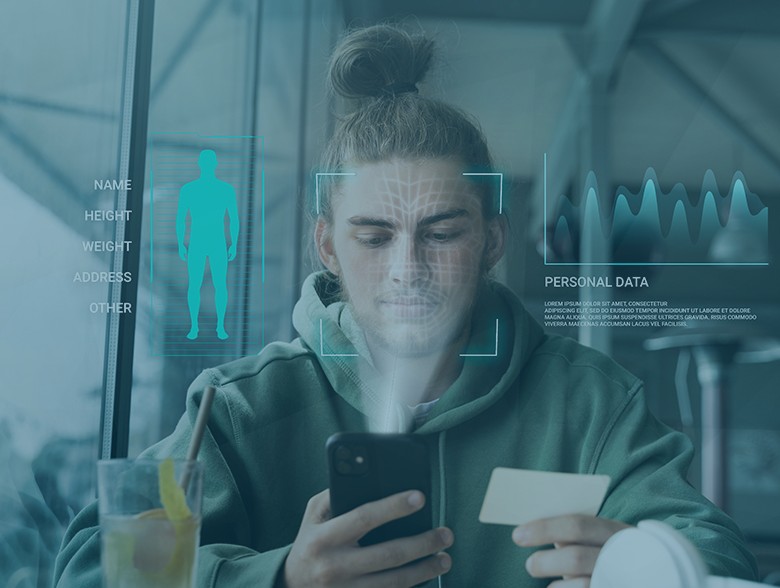
Facial recognition technology has become a prevalent topic in today’s tech-driven world, with concerns rising about the hidden costs associated with its widespread use. As generative AI continues to dominate the tech industry, the implications of facial recognition technology on personal freedom and privacy are being scrutinized.
The training process of facial recognition technology involves the utilization of a diverse array of data sources, including images shared by users online, to create detailed but often unreliable profiles of individuals. This technology has the capability to infiltrate our lives by piecing together our digital footprints, culminating in a comprehensive dossier of our personal, legal, and financial records. The potential consequences of this invasive technology are alarming and can have profound implications for individuals’ privacy and security.
Furthermore, the reliability of facial recognition technology is a crucial point of contention. Despite being marketed as a foolproof solution for identification purposes, this technology is based on a probabilistic model that is susceptible to errors. As additional data sources are incorporated, the margin of error increases, leading to potentially catastrophic outcomes. It is essential for both public and private decision-makers to critically assess the reliability of facial recognition technology before reliance is placed on it.
A poignant example of the fallibility of facial recognition technology is exemplified through the story of Alonzo Sawyer, a Maryland man whose life was turned upside down due to a misidentification by a facial recognition system. Despite glaring age and physical differences between Sawyer and the actual perpetrator, the system’s erroneous decision was compounded by a probation officer’s swift confirmation, ignoring any possibility of error. The harrowing ordeal faced by Sawyer and his family underscores the dangers of placing unwavering trust in imperfect technology that can have devastating real-world consequences.
In light of these challenges, there is a pressing need for a reassessment of the ethical implications of facial recognition technology. Questions surrounding the moral limits of its usage, individuals’ rights over their digital identities, and the accountability of governments in employing unreliable technology demand immediate attention. Finding a balance between technological advancement and ethical considerations is paramount to safeguarding society’s values and fundamental rights.
Moving forward, transparent disclosure of how facial recognition models are trained, the sources of data used, and independent monitoring of their performance are essential steps towards ensuring accountability and mitigating risks associated with this technology. As AI continues to permeate various aspects of our lives, it is imperative to establish clear ethical standards and robust governance mechanisms to protect individuals’ privacy and autonomy.
The implications of unchecked technological advancements in the realm of facial recognition are profound and warrant urgent action. By steering technology towards a future that prioritizes human rights and values, we can create a legacy that upholds the principles of transparency, integrity, and respect for individual freedoms. The story of Alonzo Sawyer serves as a poignant reminder of the importance of addressing these critical issues before they spiral out of control.
In conclusion, the pervasive use of facial recognition technology underscores the need for a comprehensive reassessment of its ethical implications and societal impact. By championing transparency, accountability, and ethical standards in the development and deployment of this technology, we can forge a future that safeguards individuals’ rights and dignity in an increasingly digital world. It is imperative that we act decisively and thoughtfully to navigate the complex intersection of technology, ethics, and human rights before it’s too late.