


Secretary Mullin Defends Trump’s CISA Cuts Despite New Duties – and Threats
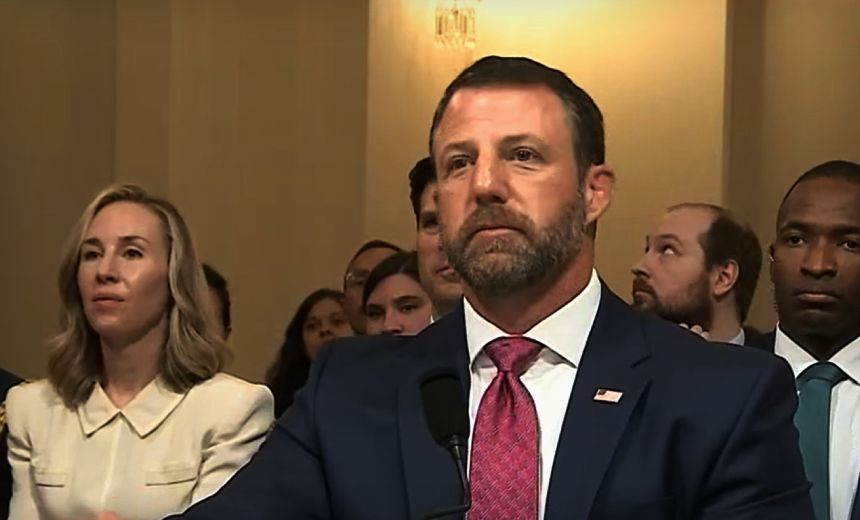
In a recent addressed meeting with the House Homeland Security Committee, Homeland Security Secretary Markwayne Mullin reiterated the Trump administration’s ongoing restructuring efforts regarding the U.S. Cybersecurity and Infrastructure Security Agency (CISA). Mullin made the case that a leaner workforce could still maintain effectiveness by fostering stronger partnerships with state and local governments as well as leveraging the private sector for support.
Mullin emphasized that the administration’s strategy for CISA is designed to refocus the agency on what he described as its "core mission." This shift reflects a significant departure from previous broader objectives, particularly those established under past administrations. By aiming to center more cybersecurity responsibilities at local and state levels, the administration believes it can enhance the nation’s overall cybersecurity posture.
"We had to readjust the way we’re looking at CISA and better lean on public partnerships," Mullin conveyed to lawmakers during the hearing. He argued that if partnerships with states are developed effectively, there will be an opportunity to utilize saved funds from CISA to invest in local and state municipalities. This approach, he suggested, will ensure that the mission of safeguarding the country’s cybersecurity remains intact despite personnel cutbacks.
Currently, CISA employs around 2,200 personnel, a significant reduction from the approximately 3,400 workers during the early days of President Trump’s second term. The drop in workforce has been attributed to a combination of factors, including workforce reduction efforts, retirements, and a migration of top talent to the private sector. This attrition raises concerns about the agency’s capacity to fulfill its duties effectively.
Under Trump’s guidance, the philosophy behind CISA’s restructuring posits that the agency had previously expanded its mission too broadly, diluting its capacity to protect federal civilian networks and critical infrastructure. Mullin’s testimony comes at a time when Congress has expressed apprehension regarding CISA’s ability to sustain operations amid ongoing staffing losses, especially given the current lack of Senate-confirmed leadership in the agency. CISA has struggled with acting leadership for much of the past year due to a series of personnel changes at the Department of Homeland Security (DHS).
Congressional lawmakers have voiced concerns that the workforce reductions could hinder the agency’s capability to support not only federal entities but also critical infrastructure operators and local governments. However, Mullin defended the approach, arguing that better resource allocation toward grants and partnerships would empower state and local governments to develop their own cybersecurity abilities.
Since the establishment of a $1 billion cyber grant program in 2021, state and local governments have begun utilizing these funds to enhance their capabilities. However, the authorization for this program is set to expire in September, leading some officials to pressure Congress for its renewal.
Moreover, the fiscal year 2027 budget proposal from the administration aims to transfer several programs, including BioWatch and Securing the Cities, from the DHS’s Countering Weapons of Mass Destruction Office to CISA. This transfer would expand the agency’s responsibilities significantly in areas related to critical infrastructure and national resilience. Yet, there remains skepticism among current and former officials regarding CISA’s ability to handle these additional responsibilities, especially given its reduced manpower and resources.
Concerns resurfaced earlier this year amid a prolonged funding lapse within the DHS, prompting questions about CISA’s preparedness to respond effectively to cyber incidents and support federal network defense operations. Observers noted that depending on a smaller workforce to handle an increasing number of responsibilities could potentially compromise national security efforts.
As Mullin persists in maintaining that a more streamlined CISA can effectively meet its obligations through enhanced collaborations with state and local entities, the future viability and effectiveness of the agency remain subjects of scrutiny. Lawmakers will undoubtedly continue to monitor the evolution of CISA amid these ongoing challenges while seeking assurances that the agency can fulfill its critical mission in safeguarding the nation’s cybersecurity landscape.