


Bipartisan Deal Funds DHS Components After Record 75-Day Shutdown
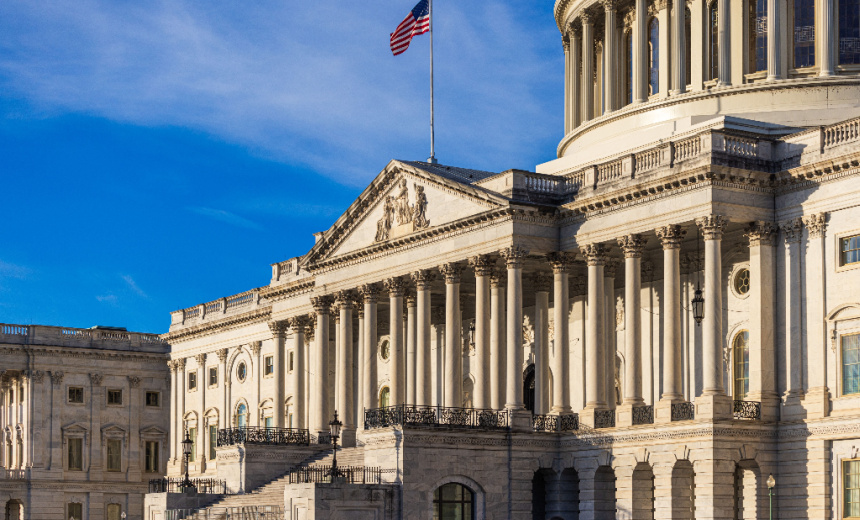
In a decisive move, the House of Representatives voted on Thursday to provide funding for a majority of the Department of Homeland Security (DHS), effectively ending a historically lengthy 75-day government shutdown. This prolonged shutdown resulted in significant operational limitations for federal cyber officials, particularly those within the Cybersecurity and Infrastructure Security Agency (CISA). These officials faced urgent pressure to restore a range of preventive services, engage with stakeholders, and reinforce the nation’s cyber defense activities.
The bipartisan agreement, which was subsequently signed into law by President Donald Trump on the same day, allocates funding across several essential components of DHS. This includes crucial agencies such as CISA, the Transportation Security Administration (TSA), the Federal Emergency Management Agency (FEMA), the Coast Guard, and the Secret Service. However, funding for immigration enforcement remains a separate legislative matter. Notably, this funding measure represents the first substantial assurance of financial stability for CISA in several months, following a protracted funding lapse that had restricted the agency’s operations and raised concerns about its capacity to assist state and local governments, as well as critical infrastructure partners.
The new legislation provides $64.4 billion in discretionary funding to the DHS, which encompasses financial backing for various programs that citizens rely on, including disaster relief initiatives, TSA operations, and agency functions directed at cybersecurity. According to a Senate Appropriations summary, the fiscal 2026 Homeland Security package also includes $20 million earmarked for hiring essential positions within CISA aimed specifically at countering rising threats from China.
With this financial support, CISA is expected to regain much-needed stability following a tumultuous period characterized by workforce reductions and potential budget cuts. The agency can now recommence critical activities that had been stalled during the shutdown, such as engaging proactively with operators of vital infrastructure, coordinating on vulnerabilities, and providing security support related to elections and cyber risk mitigation, priorities that officials and former staff warned were being sidelined during the funding lapse.
The funding bill marks a moment of short-term relief for CISA, which has faced a series of difficulties in recent months. Entering the year 2026 without a Senate-confirmed director, the agency has been scrutinized politically for its handling of election security issues and has spent considerable time attempting to stabilize its internal structure after significant cuts implemented during the Trump administration. Nevertheless, despite this newfound financial backing, the fiscal support does not completely alleviate the operational burdens that have accumulated during the shutdown period. Cybersecurity experts and former agency officials have cautioned that CISA and similar cyber teams may grapple with ongoing challenges in rebuilding their capabilities, especially following a notable exodus of talent in the initial year of the Trump presidency.
Even as CISA retained responsibilities concerning active threats during the shutdown, the absence of funds considerably hampered the agency’s ability to engage in preventive measures, which have become a core focus of its mission in recent years. As funding is restored, however, it remains to be seen how effectively CISA can rebound from the constraints imposed by the lengthy shutdown.
Interestingly, the new funding vote occurs amidst a broader context where the Trump administration is advocating for a more restricted role for CISA in the upcoming fiscal year 2027. The White House budget proposal indicates plans for approximately $707 million in program reductions across various agency functions, which includes proposals to eliminate election security initiatives and other engagement activities that administration officials label as duplicative or misaligned with effective governance.