
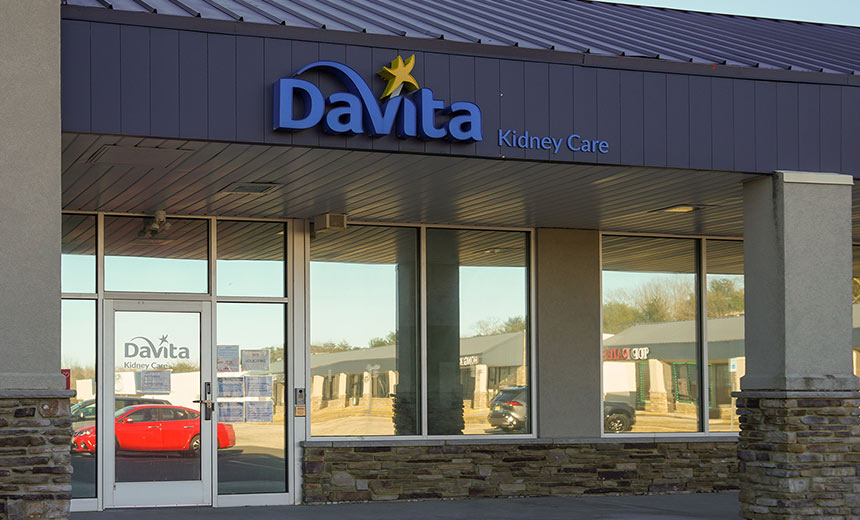


Nearly 2.7 Million Affected in DaVita’s 2025 Ransomware and Data Theft Incident
In a significant development for data security and customer privacy, DaVita Inc., a Denver-based kidney dialysis provider with operations across the United States and several international locations, has reached a substantial settlement agreement of $15 million. This decision comes in the wake of a serious ransomware attack executed by the cybercriminal group known as Interlock, which occurred in 2025 and reportedly impacted approximately 2.7 million individuals.
Background of the Incident
The incident has underscored the vulnerabilities that healthcare providers face in today’s digital landscape. With DaVita’s extensive network of over 3,000 dialysis centers, the impact of the breach was particularly widespread. The preliminary settlement, which was authorized by a federal court in Colorado just last week, signifies legal acknowledgment of the grievous consequences that resulted from inadequate cybersecurity measures.
Individuals affected by the breach may file claims for up to $2,500 to cover documented out-of-pocket losses linked to the ransomware attack and the subsequent theft of sensitive data. Beyond these claims, each affected individual stands to receive an estimated pro-rata payment of $50, contingent on the remaining available funds once documented losses have been reimbursed. Furthermore, all class members will have access to three years of credit monitoring services, which will incorporate dark web surveillance and identity theft insurance, crucial tools for mitigating the risks associated with such breaches.
The Extent of the Data Compromised
Interlock’s attack was particularly devastating, as it involved the unauthorized extraction of a staggering 1.5 terabytes of data. The stolen information comprised crucial files including patient identification and financial documentation, government eligibility records, lab results, and various studies related to patient care. The data breach notification issued by DaVita detailed that personal information such as names, addresses, dates of birth, Social Security numbers, and health insurance-related information were among the data compromised.
Patients were also alerted that some affected information included tax identification numbers and potentially even images of checks written to DaVita, raising additional concerns about identity theft and fraud.
Operational Disruptions and Legal Ramifications
In the wake of the Interlock ransomware attack, DaVita experienced significant IT operational disruptions, highlighting the broader implications of such cyber incidents not only on data privacy but also on service delivery. The proposed class action lawsuit against DaVita accused the company of negligence, specifically concerning its failure to implement adequate security protocols and practices that align with the sensitivity of the information it handles.
Despite generating considerable revenue—over $13.6 billion in 2025—DaVita has acknowledged the financial toll of the cyber incident. The company reported that the fallout from the data breach incurred costs amounting to $25 million in that same year. Such figures not only reflect immediate financial burdens but also indicate potential long-term reputational damage.
Previous Settlements and Data Privacy Challenges
It is insightful to note that this is not the first brush with legal repercussions for DaVita concerning data privacy. In 2024, the company agreed to settle another proposed class action lawsuit for $3.8 million. This earlier case revolved around allegations pertaining to the use of third-party web tracking and analytics tools on DaVita’s websites, which inadvertently disclosed sensitive patient web usage data to major tech entities, including Meta and Google.
This pattern of legal challenges emphasizes the ongoing struggle that healthcare providers face in navigating the complicated terrain of data security while also safeguarding sensitive patient information. The settlements reflect broader concerns about the industry’s preparedness to tackle the growing threat of cybercrime.
Conclusion
The $15 million settlement by DaVita serves as a pertinent reminder of the critical importance of robust cybersecurity measures in the healthcare sector. As the landscape of cyber threats continues to evolve, stakeholders will be watching closely to see how healthcare entities address these vulnerabilities and enhance their data protection strategies. The fallout from the ransomware attack is likely to have long-lasting implications, as patient trust and corporate credibility face new challenges in this digital age.