
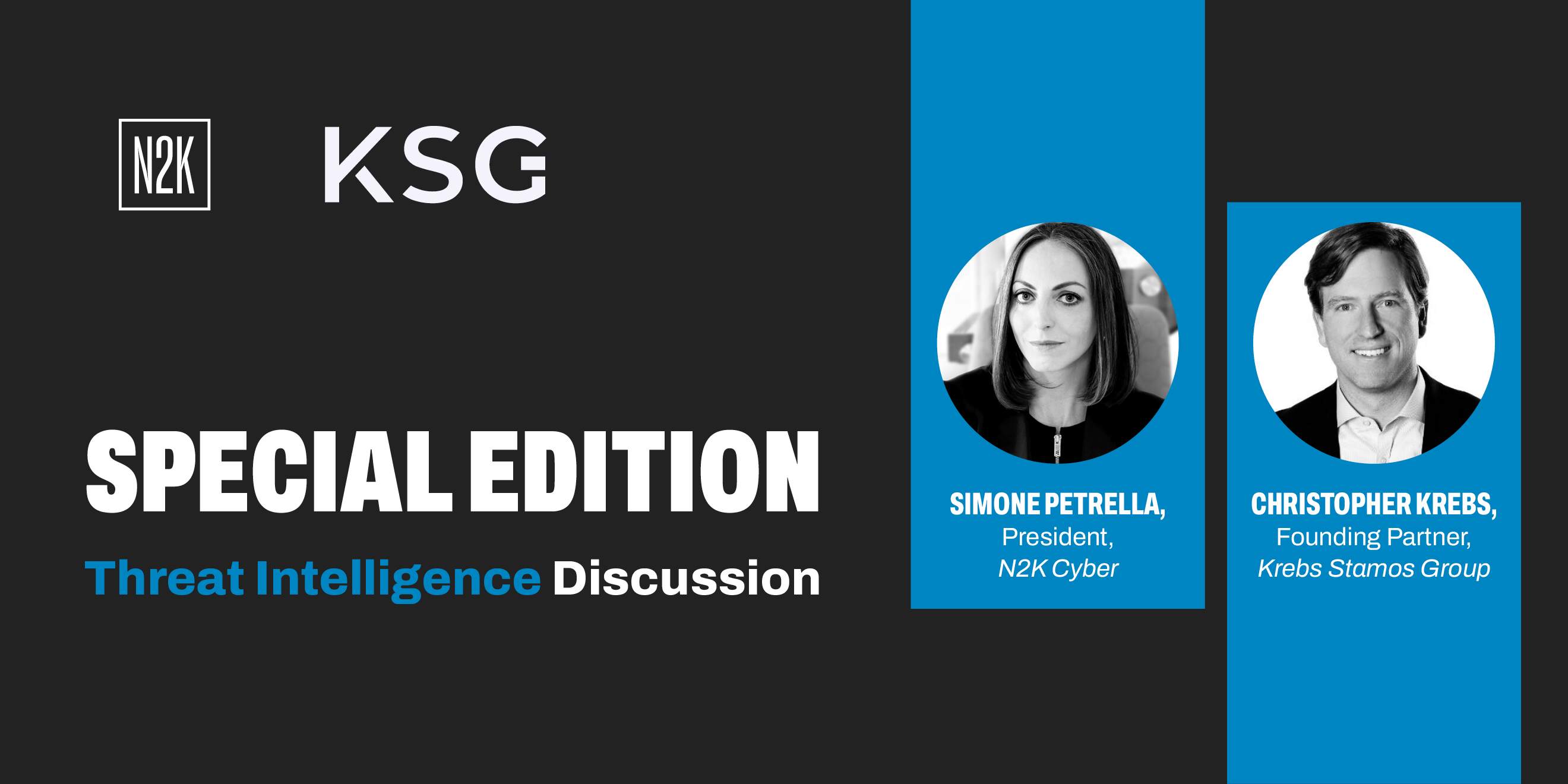


In an insightful interview conducted at the mWise 2023 Cybersecurity Conference, Simone Petrella had the opportunity to engage in a conversation with Chris Krebs, a prominent figure in the cybersecurity realm. Known for his expertise as a founding member of the esteemed Krebs Stamos Group, Krebs delved into the topic of threat intelligence, shedding light on its importance in the digital landscape.
As the interview commenced, Krebs emphasized the ever-increasing significance of threat intelligence in safeguarding organizations against cyber threats. He stressed that in the current landscape, where cyberattacks have become more sophisticated and prevalent, businesses must stay ahead of the game by continuously seeking and utilizing valuable threat intelligence.
Krebs highlighted the evolving nature of cyber threats, noting that attackers are becoming more adept at exploiting vulnerabilities and finding novel ways to infiltrate systems. With such challenges arising, organizations can no longer rely on traditional security measures; they must proactively gather intelligence on potential threats to effectively protect their assets.
To explain the concept of threat intelligence, Krebs drew an analogy to military strategies. Just as military intelligence provides valuable insights into enemy movements and intentions, threat intelligence equips organizations with knowledge about potential threats, enabling them to fortify their defenses and proactively anticipate cyber attacks.
Expanding on the topic, Krebs discussed the various sources from which threat intelligence can be obtained. He emphasized the value of publicly available information in the form of open-source intelligence (OSINT). Krebs highlighted that OSINT can provide a solid foundation for organizations, equipping them with a baseline understanding of potential threats and vulnerabilities.
Furthermore, Krebs stressed the importance of information sharing among organizations. He suggested that collaboration in the cybersecurity community is critical for effectively combating threats. By pooling their collective resources and knowledge, organizations can detect and respond to emerging threats more efficiently.
Discussing the challenges associated with threat intelligence, Krebs acknowledged that there are hurdles organizations face when implementing an effective threat intelligence framework. One key challenge he noted is the vast amount of data organizations must process and make sense of. In the age of big data, it is crucial for organizations to leverage advanced analytics and machine learning models to derive meaningful insights from the sheer volume of information available.
Krebs also touched upon the issue of expectations surrounding threat intelligence. He cautioned against the misconception that threat intelligence alone can provide foolproof protection against cyberattacks. Rather, he emphasized that threat intelligence should be viewed as a valuable tool to enhance an organization’s security posture, complementing existing cybersecurity measures.
As the interview drew to a close, Krebs offered advice to organizations seeking to leverage threat intelligence effectively. He underscored the importance of aligning threat intelligence efforts with their business objectives and risk appetite. Additionally, he emphasized the need for a holistic approach, incorporating threat intelligence into the organization’s overall cybersecurity strategy.
In conclusion, threat intelligence has emerged as a critical component of cybersecurity in our increasingly digital world. As cyber threats continue to evolve, organizations must recognize the importance of gathering intelligence on potential threats, leveraging various sources such as OSINT, and fostering collaboration within the cybersecurity community. With the guidance of experts like Chris Krebs, businesses can enhance their security defenses and stay ahead of the ever-changing threat landscape.