
In a world where cybersecurity threats are constantly evolving, it is essential for organizations to stay ahead of the curve in protecting their sensitive data. Cloud access security brokers (CASBs) have emerged as a valuable tool in the fight against cybercrime, helping IT staff manage and secure their cloud environments effectively. As technology continues to advance, the need for a comprehensive CASB solution has never been greater.
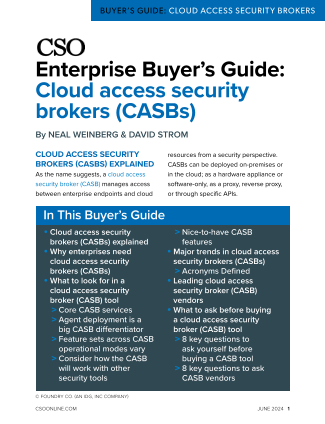
CSO, a trusted source for cybersecurity news and analysis, has released an enterprise buyer’s guide aimed at helping organizations understand the capabilities of CASBs and how to choose the right solution for their specific needs. This guide provides valuable insights into the world of CASBs, offering expert advice and recommendations to empower IT staff in making informed decisions when it comes to securing their cloud environments.
One of the key benefits of utilizing a CASB is its ability to provide visibility and control over cloud usage within an organization. With the increasing adoption of cloud services, IT staff often struggle to monitor and manage the vast amount of data being transferred between devices and applications. CASBs offer a centralized platform for monitoring user activity, enforcing security policies, and detecting potential threats in real-time. This level of visibility is crucial in identifying and mitigating risks before they escalate into full-blown security incidents.
Additionally, CASBs play a vital role in securing data as it moves between on-premises systems and cloud applications. By encrypting data at rest and in transit, CASBs ensure that sensitive information remains protected from unauthorized access or data breaches. This added layer of security is essential for organizations that deal with highly confidential data or are subject to regulatory compliance requirements.
Another key feature of CASBs is their ability to provide granular access controls and policy enforcement across cloud applications. IT staff can define detailed access policies based on user roles, device types, and geographical locations, ensuring that only authorized personnel can access sensitive data. In addition, CASBs offer adaptive access controls that dynamically adjust security policies based on user behavior and risk factors. This proactive approach to security helps organizations prevent data leaks and unauthorized access, ultimately reducing the risk of a cybersecurity incident.
Furthermore, CASBs enable organizations to streamline their compliance efforts by providing detailed reporting and auditing capabilities. By generating comprehensive logs of user activity and security incidents, IT staff can easily demonstrate compliance with industry regulations and internal security policies. This level of transparency is essential for organizations that face stringent compliance requirements or undergo regular security audits.
In conclusion, CASBs have become a crucial component of modern cybersecurity infrastructure, offering organizations a comprehensive solution for managing and securing their cloud environments. By investing in a reputable CASB solution, organizations can enhance their overall security posture, reduce the risk of data breaches, and ensure compliance with regulatory requirements. With the help of CSO’s enterprise buyer’s guide, IT staff can gain valuable insights into the world of CASBs and make informed decisions when selecting the right solution for their organization’s unique needs.