
Cybersecurity Regulator Unveils Advanced AI Model to Combat Deepfakes with 91% Accuracy
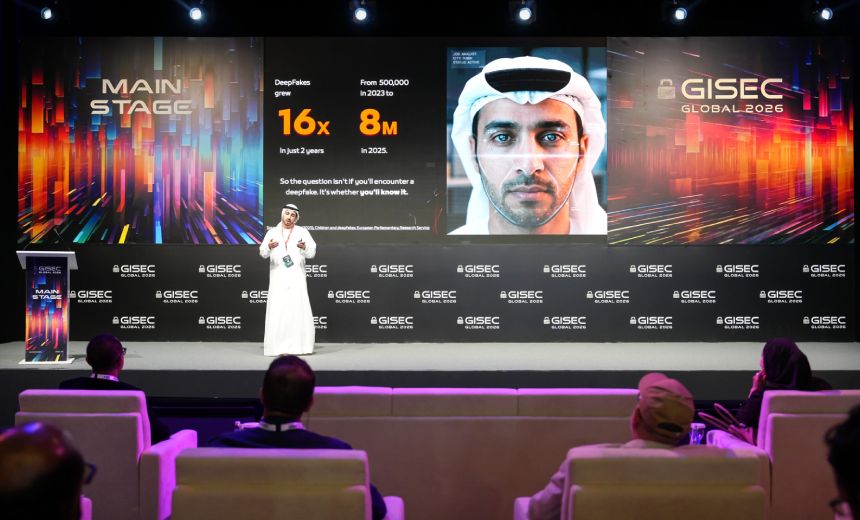
In a significant advancement for cybersecurity, the Dubai Electronic Security Center (DESC) has introduced an artificial intelligence model known as Saraab, specifically designed to detect deepfake videos. This groundbreaking initiative was announced during the GISEC Global cybersecurity event held on September 16, 2026. DESC plans to make the Saraab model open-source by the end of the year, enabling researchers, AI companies, and cybersecurity professionals to test, utilize, and enhance the tool.
According to Yousuf Hamad Al Shaibani, the CEO of DESC, Saraab represents the first of its kind developed by a government agency in the Arab world. Al Shaibani expressed the model’s potential in creating impactful solutions and expertise within Dubai that also influences beyond its borders. The ambition behind Saraab aligns with global efforts to combat misinformation and deception in online media.
The Saraab model operates by analyzing critical aspects within a video, focusing particularly on facial features. With a remarkable accuracy rate of 91%, it stands out as one of the most effective methods available for identifying deepfake content, as highlighted by DESC official Hassan Majab. His insights emphasize the capacity of Saraab to provide a comprehensive analysis regarding the authenticity of videos, thereby establishing a higher sense of trust in media sources.
The model’s capabilities include generating an overall confidence score to evaluate whether a video is authentic or manipulated. Furthermore, Saraab produces detailed analyses of individual faces within the video, alongside explanations that outline the reasoning behind its deepfake detection. This analytical approach represents a substantial leap forward in the fight against the growing distribution of misleading video content.
Majab communicated DESC’s intent to integrate Saraab into the Hugging Face library as an open-source model under a research and learning license. This strategic move aims not only to facilitate widespread access but also to foster collaboration among experts in the field. He remarked, "Everybody can download it and use it. Maybe in a year from now, when deepfake technologies evolve further, someone can take it and improve upon it." This collaborative ethos underscores the importance of sharing knowledge and enhancing collective expertise in the cybersecurity landscape.
The necessity for such advancements has become increasingly evident, particularly in light of incidents that have underscored the potential dangers posed by deepfake technology. For instance, during March 2026, false videos depicting chaotic scenes at Dubai airport following Iranian missile strikes circulated rapidly on social media platforms. Investigations by news agency AFP debunked these videos, which were marked by clear indicators of manipulation, such as distorted imagery and unrealistic behavior of individuals in the footage.
In addition to the unveiling of Saraab, DESC introduced two other major initiatives at the GISEC event. The first is the Dubai Cyber Skills Framework, a comprehensive reference framework aimed at standardizing qualifications, certifications, training pathways, and career progression within the cybersecurity sector. This framework strives to create a cohesive methodology for assessing skills and competencies while aligning with internationally recognized standards.
The second initiative focuses on an auditor certification program specifically designed for the Information Security Regulation (ISR) that governs Dubai’s cybersecurity standards for government agencies and public-sector contractors. This program equips auditors and stakeholders with the necessary knowledge to evaluate compliance with ISR principles using a consistent and clearly defined methodology.
As Dubai continues to navigate the complexities of digital transformation, the introduction of Saraab, alongside the Cyber Skills Framework and auditor certification program, highlights the emirate’s commitment to fostering a robust and forward-thinking cybersecurity environment. By leveraging artificial intelligence and promoting collaboration within the cybersecurity community, DESC aims to enhance cyber resilience not just for Dubai but as a model for global practices in handling digital threats and misinformation.
The implications of the Saraab model extend beyond mere technical advancements; they represent a proactive stance against the increasing prevalence and sophistication of deepfake technologies, ultimately working toward a more secure digital landscape for all.