
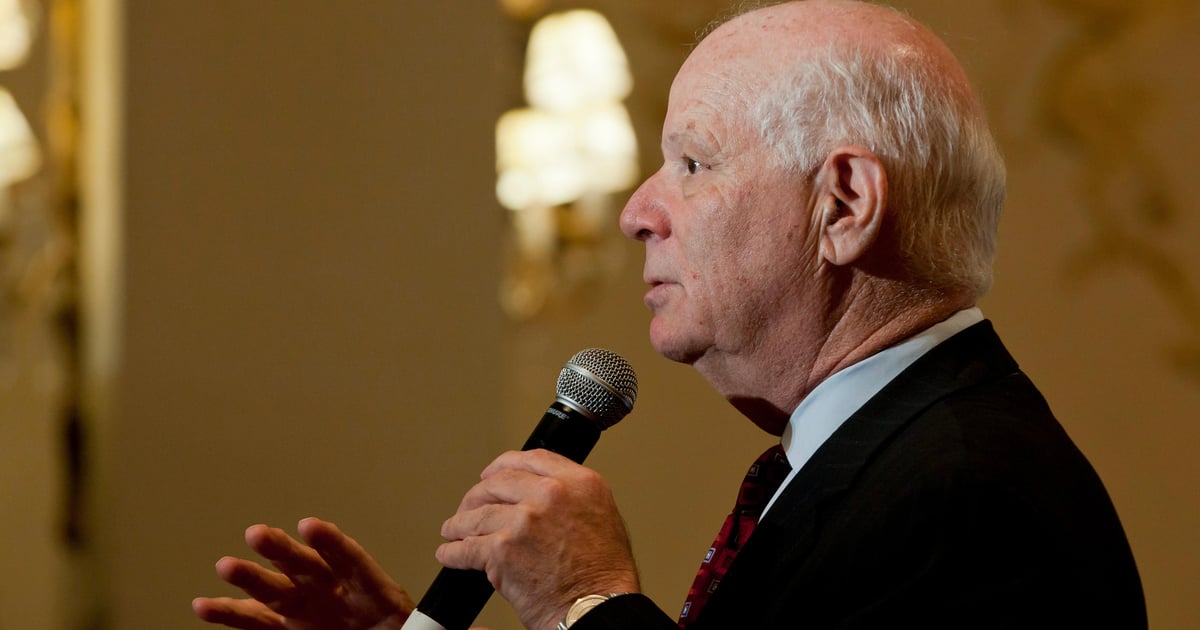


A recent incident involving Senator Ben Cardin (D-Md.), who chairs the Senate Foreign Relations Committee, highlighted the growing threat of deepfake scams targeting high-profile individuals. The senator was the target of an advanced deepfake operation that aimed to deceive him by impersonating Dymtro Kuleba, the former Ukrainian Minister of Foreign Affairs, with whom Cardin had previously interacted.
The operation began with an email to Cardin’s office from someone claiming to be Kuleba. A Zoom meeting was arranged, during which the impersonator asked Cardin politically charged questions related to international relations and upcoming elections. It quickly became apparent to Cardin and his staff that something was amiss, leading them to terminate the call and contact the Department of State for verification.
In a statement following the incident, Senator Cardin emphasized the deceptive nature of the encounter and the swift actions taken to address it. The potential consequences of such deepfake schemes are concerning, as they could result in the extraction of sensitive information or manipulation for malicious purposes.
The incident with Senator Cardin underscores the rising prevalence of deepfake scams, which are increasingly utilized by threat actors for various nefarious purposes. A report shared by Trend Micro revealed that a significant percentage of consumers have encountered deepfake content, including images, videos, and audio clips. The sophistication of these scams poses significant risks to individuals, businesses, and even national security.
Eyal Benishti, CEO of Ironscales, highlighted the multifaceted dangers posed by deepfakes, ranging from financial losses and reputation damage to threats against democratic processes. The accessibility of generative AI tools has made it easier for attackers to create convincing deepfake content, necessitating a shift in defense strategies towards awareness, education, and training.
One particular concern is the potential for deepfakes to be used in disinformation campaigns, as seen in the case of deepfake videos featuring prominent figures like UK Prime Minister Keir Starmer and Prince William. These manipulated videos were circulated on social media platforms to promote fraudulent schemes, underscoring the reach and impact of such deceptive tactics.
As the technology used to create deepfakes advances, the ability to detect and counter them remains a challenge. Benishti stressed the importance of staying vigilant and verifying information to guard against evolving threats posed by deepfake scams. These recommendations apply to individuals at all levels, as cybercriminals are opportunistic and target anyone who may fall victim to their schemes.
In conclusion, the incident involving Senator Cardin serves as a stark reminder of the growing threat posed by deepfake scams and the need for robust cybersecurity measures to combat them. Heightened awareness, proactive verification practices, and a healthy dose of skepticism are essential in an era where misinformation and deception can have far-reaching consequences.