


Household appliances and devices are increasingly being connected to the Internet, making them vulnerable to potential exploitation. Grilling enthusiasts now face a new threat – the possibility of a ruined cookout not due to cooking errors, but because their grill was hacked.
Nick Cerne from Bishop Fox discovered multiple vulnerabilities in certain models of Traeger grills, a popular brand for grilling and smoking. The affected grills are equipped with the Traeger Grill D2 Wi-Fi Controller, allowing users to control the grill through a mobile app. These vulnerabilities could allow remote attackers to issue commands to the grill, such as obtaining its serial number or shutting it down remotely.
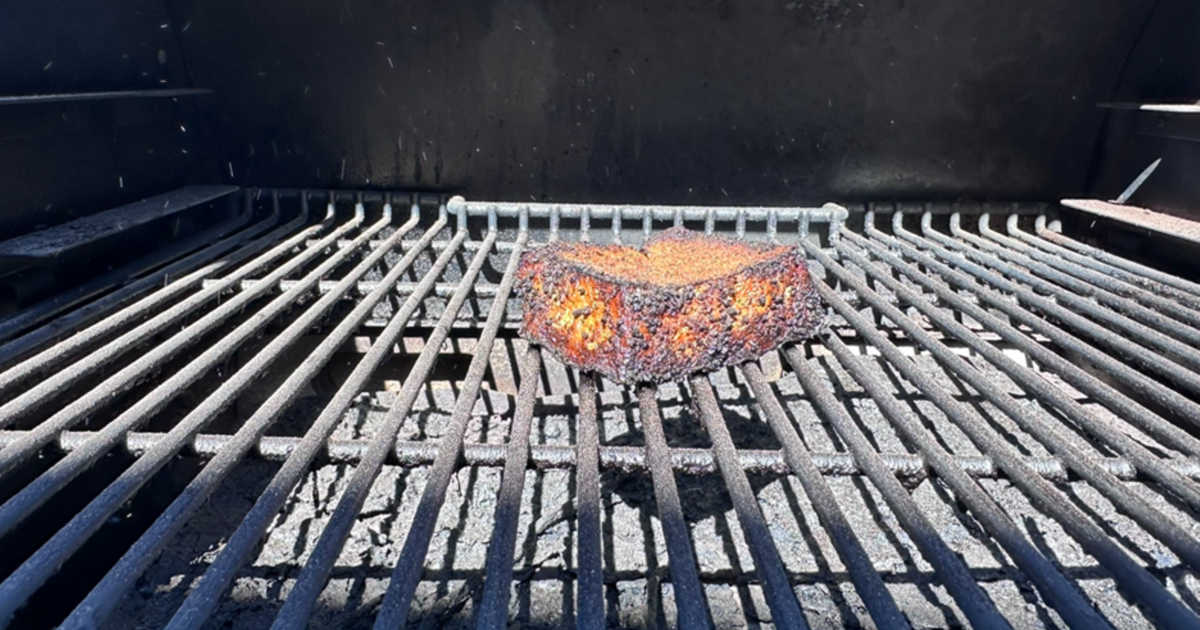
One significant vulnerability, with a severity score of 7.1 (high), involves an insufficient authorization control issue in the API responsible for registering the grill. The Bishop Fox research team successfully shut down a grill remotely, belonging to a non-research team employee, and increased the temperature from 165 to 500 degrees Fahrenheit. This unauthorized interference resulted in overcooked and inedible food, showcasing the potential impact of such cyber-attacks on everyday activities like grilling.
While the researchers could manipulate the grill’s temperature and shut it down remotely, they were unable to ignite the grill from a distance. This research underscores the importance of addressing security vulnerabilities in Internet of Things (IoT) devices promptly to prevent exploitation.
Traeger responded to these vulnerabilities by implementing automatic firmware updates for affected grills connected to the Internet. This proactive approach eliminates the need for grill owners to manually update their devices, ensuring that all vulnerable grills receive the necessary security patches. Such initiatives are crucial in ensuring the safety and security of IoT devices used in households.
It is worth noting that potential attackers would require the unique 48-bit identifier of the target grill to execute an attack. This limitation restricts the pool of potential attackers to individuals in close proximity to the grill, emphasizing the importance of monitoring and securing IoT devices within home networks.
Bishop Fox advises users to use the physical power switch to turn off grills when not in use, as an additional security measure. This simple step can help prevent unauthorized access and potential exploitation of IoT devices.
Overall, the case of vulnerable Traeger grills highlights the importance of manufacturers proactively addressing security issues in IoT devices and implementing mechanisms for seamless updates. By prioritizing cybersecurity in connected appliances, users can enjoy the convenience of smart devices without compromising their safety and privacy. Stay vigilant, stay secure.