
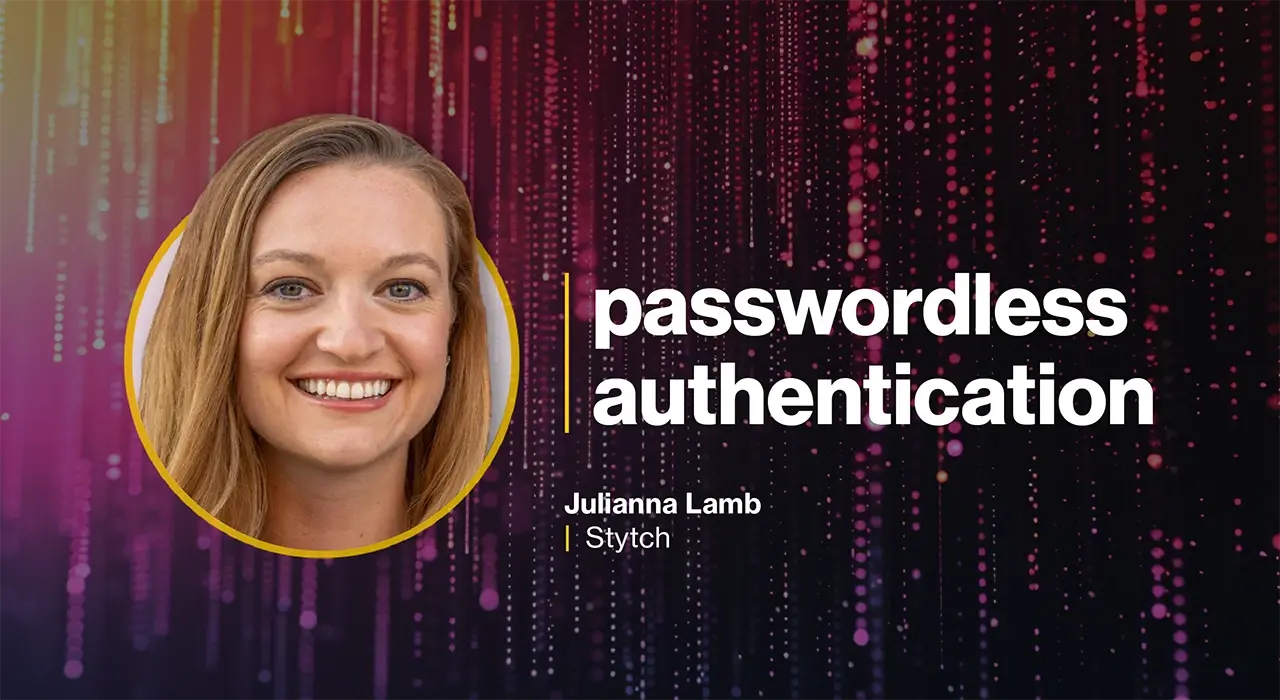
In an interview with Help Net Security, Julianna Lamb, the Chief Technology Officer of Stytch, discussed the numerous advantages of implementing passwordless authentication in today’s digital landscape. By eliminating the need for traditional passwords, organizations can effectively reduce the risk of data breaches while enhancing the overall user experience through a simpler login process.
Lamb emphasized that passwords have become a major security vulnerability for companies and users alike, with stolen or compromised credentials serving as the primary entry point for malicious actors. The cumbersome nature of passwords often leads users to resort to risky practices such as password reuse or reliance on password manager services, which are not widely adopted. As a result, passwords are no longer considered a secure authentication method in today’s evolving threat landscape.
Transitioning to passwordless authentication methods, such as magic links, OAuth, or Passkeys, offers significant benefits to organizations. These methods streamline the authentication process, enabling users to access their accounts with just a few clicks, thereby improving speed, reducing delays, and enhancing user retention. Additionally, passwordless authentication reduces support costs associated with password resets and can easily scale with a growing user base, while also mitigating internal threats related to password misuse.
While the benefits of passwordless authentication are clear, organizations may encounter technical challenges during implementation. Developers must address complexities such as platform compatibility, account recovery procedures, and user interface design to ensure a seamless user experience. Failure to adequately handle these technical challenges can result in security vulnerabilities and hinder the transition to passwordless authentication.
From an economic standpoint, transitioning to passwordless authentication can yield significant cost savings for organizations. Passwordless authentication flows improve user experience, driving higher engagement rates and enhancing lifetime value. Research indicates that each password reset process can cost organizations upwards of $70 in lost productivity and support time, contributing to an estimated annual loss of $5.2 million for the average organization. By adopting passwordless authentication, organizations can eliminate these expenses, boost overall productivity, and ultimately achieve a higher return on investment.
Moreover, the adoption of passwordless authentication methods can help mitigate the risk of AI-enabled fraudsters engaging in sophisticated hacking techniques such as phishing attacks and credential stuffing. Passkeys, in particular, offer enhanced resistance to these types of threats, safeguarding organizations from financial losses and reputational damage.
In addition to technical and economic considerations, organizations must also navigate regulatory and compliance requirements when implementing passwordless authentication. Adhering to data protection laws such as GDPR and CCPA, as well as authentication standards established by organizations like the FIDO Alliance, is crucial to ensuring data security and user privacy. Accessibility compliance guidelines further enhance inclusivity for users with disabilities and help mitigate legal risks associated with passwordless authentication.
Looking ahead, Lamb envisions a future where passwordless authentication becomes the norm across industries and use cases. Passkeys, a form of passwordless authentication powered by public key cryptography, offer a seamless and user-friendly alternative to traditional passwords. With the broad implementation of passkeys, Lamb predicts that the majority of applications will adopt passwordless authentication within the next several years, marking a significant shift towards a more secure and efficient authentication landscape.