
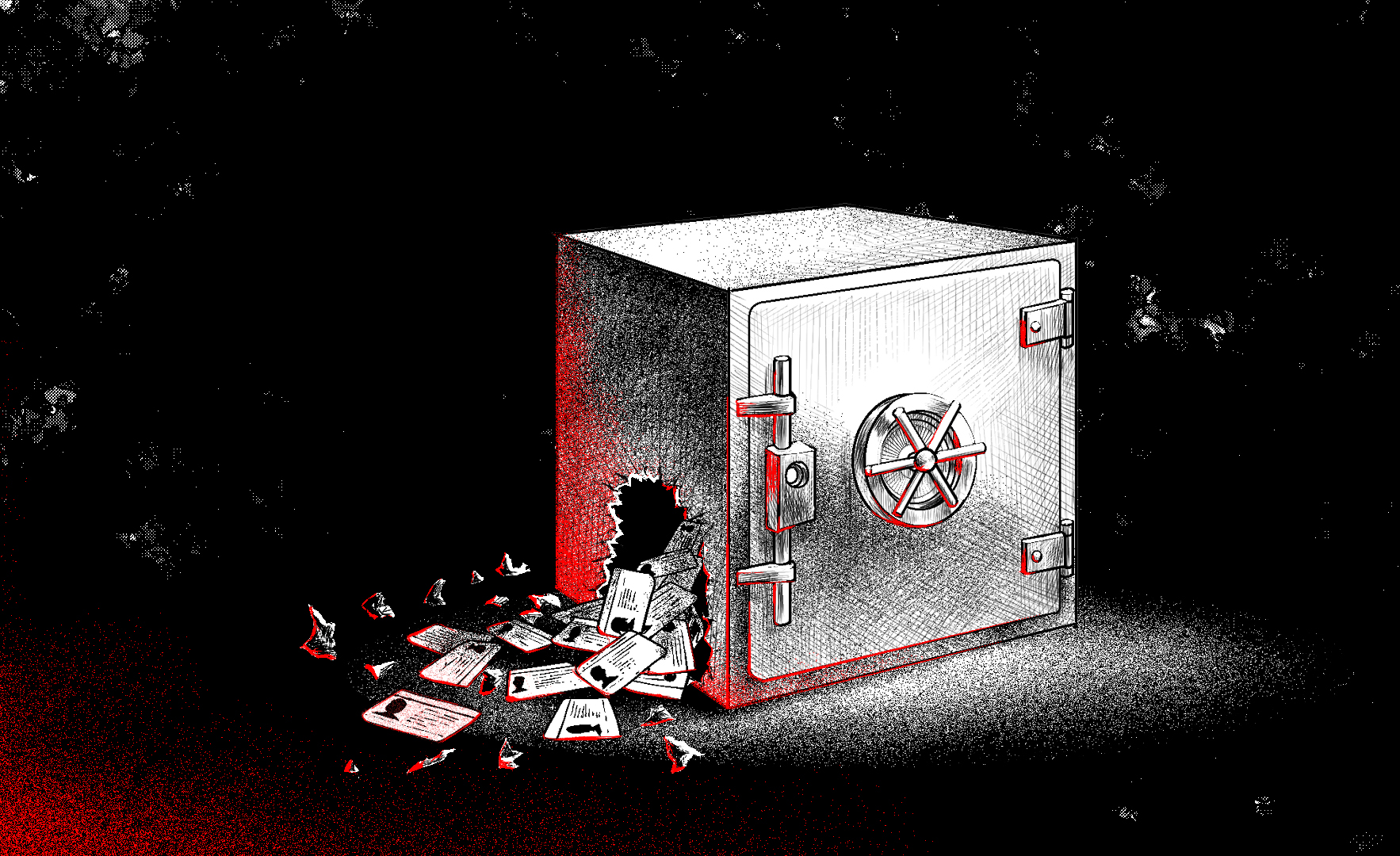
In a gripping episode of Darknet Diaries, the narrative unfolds around a hacker known as “USDoD.” This individual harbored a deep-seated animosity towards the United States from a young age, which ultimately led him down a perilous path of relentless data breaches. His journey reached a pivotal moment when he infiltrated a significant database at National Public Data, marking a decisive escalation in his criminal activities.
The hacker’s story is not just about the technicalities of breaking into networks; it also delves into the emotional undercurrents that fueled his motivations. The foundational incident took place in 1988, in Albuquerque, New Mexico, where a hot dog stand became the unlikely backdrop for a troubling narrative of identity theft. The story paints a vivid picture of the socio-economic conditions that led to the hiring of individuals who were already marginalized. The resonance of that time is striking, hinting at a cultural landscape where such crimes could tacitly flourish, supported by desperate circumstances.
This storytelling approach draws the audience in, creating a sense of empathy even for an unlikely anti-hero. As the narrative unfolds, listeners can visualize the world through USDoD’s eyes, understanding how a combination of personal experiences and external influences can shape an individual’s trajectory toward crime. The hacker’s vendetta against the government isn’t presented merely as a reckless pursuit but rather as a consequence of perceived injustices he may have faced throughout his life.
The context of the hacker’s activities is further deepened through the mention of various sponsors that support the show, entering the mix of tech company involvement in cybersecurity. For instance, ThreatLocker® emerges as a pivotal player in promoting security methodologies that can potentially block exploitation vulnerabilities, including ransomware attacks. This highlights the ongoing struggle against cyber threats, reinforcing the idea that while hackers may seek to undermine systems, there are robust defenses being developed simultaneously.
Maze, another sponsor, contributes to the narrative by addressing the complexities of cloud vulnerabilities. Their AI-driven approach to managing risk is crucial in a world where hackers constantly seek new exploits. By honing in on actual exploits rather than theoretical risks, Maze underscores the importance of innovation in the cybersecurity domain, revealing the continuous tug-of-war between hackers and defenders.
The landscape portrayed in this episode encapsulates a broad spectrum of motivations and stakes involved in cybercrime. With characters like USDoD operating in a realm where their actions reverberate far beyond their immediate surroundings, listeners are invited to consider the broader implications of hacking culture. Is it merely a criminal endeavor, or does it point to systemic failures within society that push individuals toward such extremes?
Additionally, the technical aspects of hacking are interwoven with the story, making it accessible even to those without a background in cybersecurity. By breaking down complex situations into narratives that resonate on a human level, the program manages to educate while entertaining. This dual focus speaks volumes about the show’s commitment to illuminating the shadowy corners of the internet, while also acknowledging the human stories that linger behind every cyber breach.
As the episode nears its conclusion, there lies a sense of foreboding around USDoD’s exploits. The listener is left contemplating not just the implications of his actions, but also the potential ramifications for national security and personal privacy. With the rise of technologies for surveillance and security, the stakes have never been higher for both individuals and institutions, setting a dramatic stage for future episodes.
In summation, the story of USDoD serves as a cautionary tale woven into the fabric of modern cybersecurity narratives. It illustrates how personal motivations can lead to grave misconduct, while simultaneously spotlighting the ongoing efforts of organizations aimed at curbing such threats. This episode doesn’t merely recount hacking incidents; it invites a broader discussion about the nature of crime, identity, and the relentless dance between offense and defense in the digital age. Through compelling storytelling and insightful commentary, Darknet Diaries manages to shed light on a topic that remains acutely relevant to our increasingly interconnected world.