
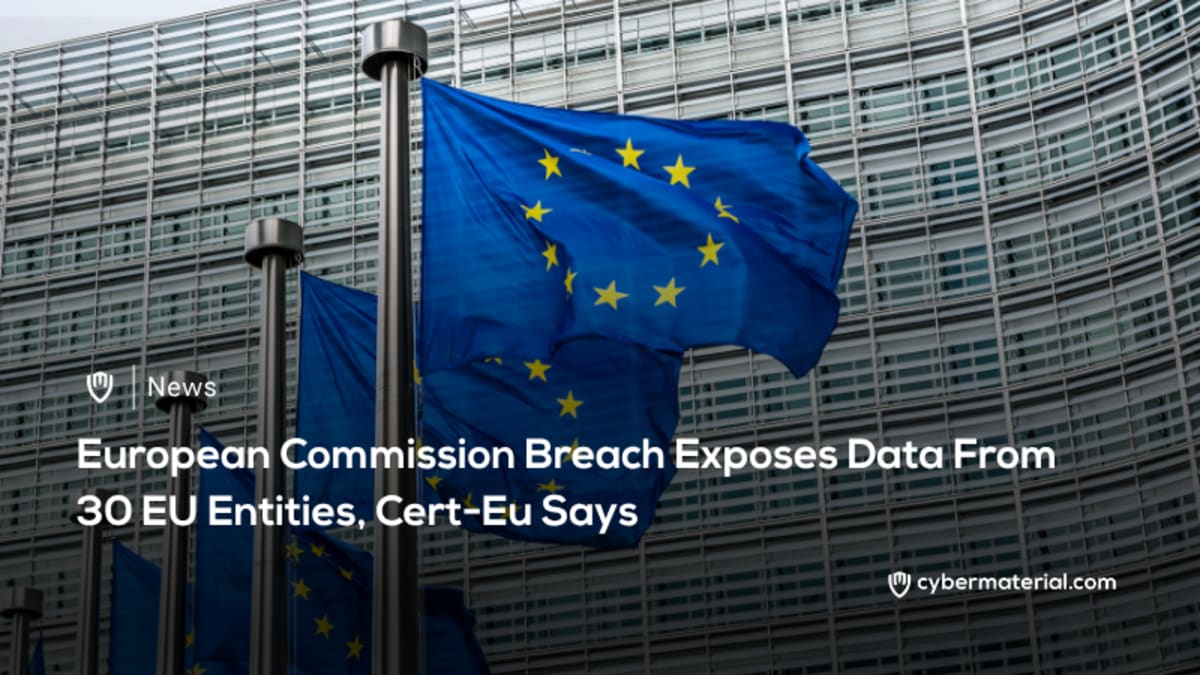
The European Commission has recently faced a significant security breach attributed to the hacking group known as TeamPCP, resulting in the exposure of data from 30 different entities within the European Union. This incident marks a troubling event in the realm of cyber security, showcasing vulnerabilities even in highly monitored environments. The breach was confirmed following a compromise of the Commission’s cloud infrastructure hosted on Amazon Web Services (AWS), first detected in late March.
The timeline of the incident reveals that the Commission identified the cyberattack on March 24, which specifically targeted the cloud infrastructure underpinning its Europa.eu websites. However, further investigations unveiled that the breach began earlier, on March 19. The attackers gained initial access by exploiting a supply chain compromise, notably using a tool named Trivy. This breach enabled them to acquire a secret API key, facilitating their entry into the AWS environment and providing a foothold to infiltrate other cloud accounts associated with various EU institutions.
Once inside the compromised system, the threat actors employed advanced tools, including TruffleHog, to scan for additional credentials. They evaluated their access through the Amazon Security Token Service, which allowed them to validate and broaden their foothold within the infrastructure. To maintain their presence and minimize detection risks from the Commission’s security operations, TeamPCP created new access keys linked to existing user profiles. This tactic enabled the group to conduct comprehensive reconnaissance and execute lateral movements throughout the cloud architecture.
Reports from the investigation indicate that the attackers successfully exfiltrated hundreds of gigabytes of sensitive data, including various databases, while remaining undetected for an alarming duration. Although the European Commission has assured that its internal systems remain secure and unaffected by this breach, the extent of the compromise significantly impacted the broader European ecosystem. At least 30 separate entities are believed to have had their sensitive data compromised, necessitating a formal notification process to inform all impacted parties.
Security researchers have drawn connections between the techniques used in this cyberattack and TeamPCP, a group notorious for executing sophisticated supply chain attacks across numerous prominent platforms, such as GitHub, PyPI (Python Package Index), and Docker. These efforts typically focus on distributing data-stealing malware, underscoring the group’s capability to exploit weaknesses in widely used software development tools.
In response to this breach, the European Commission and the Computer Emergency Response Team for the EU (CERT-EU) have initiated a thorough investigation aimed at assessing the total volume of stolen information and identifying all parties affected by the incident. The Commission has made a commitment to enhance its cloud security measures and refine its monitoring capabilities as a direct consequence of this alarming breach.
This incident serves as a critical wake-up call regarding the vulnerabilities of institutional cloud environments to supply chain exploits. The reality that a single compromised third-party tool can provide unauthorized access to extensive networks of sensitive data illustrates the fragility of current cyber defenses. The breach represents not only an organizational failure but also a broader, systemic issue within cybersecurity practices across institutions that rely on cloud services.
The attack highlights the persistent hybrid threats that European institutions, including critical services, continue to face. By publicly attributing the breach to TeamPCP and detailing the specifics of the AWS compromise, CERT-EU aims to empower other organizations to recognize and respond to similar malicious activities.
Moving forward, there is a strong emphasis on implementing more stringent cybersecurity standards across the European Union. The goal is not only to bolster its digital infrastructure against evolving threats posed by professional hacking groups but also to mitigate vulnerabilities within supply chains that can be exploited by malicious actors. The strategic steps taken in the wake of this incident indicate a recognition of the pressing need for enhanced protection measures in an increasingly digital world, where cyber threats are ever-present and evolving.
In summary, the breach experienced by the European Commission underscores the critical importance of vigilance and proactive measures in maintaining cybersecurity within institutional frameworks. It exemplifies the growing sophistication of cyber threats and the pressing need for comprehensive strategies that can effectively safeguard sensitive data in an interconnected digital landscape.