
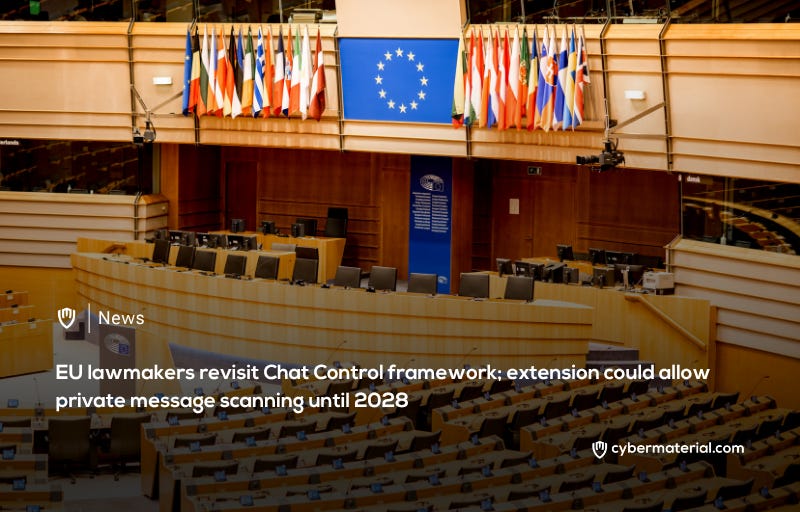


EU Moves Towards Extension of Temporary Child Protection Regulations: Privacy Concerns Emerge
The European Union (EU) is advancing discussions aimed at extending temporary regulations that allow online platforms to scan private messages for material related to child sexual abuse. This initiative could potentially see the regulatory framework in place extended until 2028, reigniting a contentious debate over the so-called "chat control" measures. These measures have notably divided lawmakers, pitting advocates for child protection against those championing privacy rights.
Currently, the temporary framework permits technology companies to voluntarily scan user communications, including private messages, for illegal content associated with child exploitation. These regulations were established as an interim solution while EU institutions aimed to formulate comprehensive permanent legislation addressing these issues. However, significant disagreements concerning privacy protections and the technical implementation of such regulations have led to delays in crafting a long-term regulatory approach.
Central to this debate is the technology that enables platforms to identify known child sexual abuse material. This technology operates by comparing the content of messages against databases containing illegal images. Proponents maintain that such tools are crucial for detecting and preventing the distribution of exploitative content online. They argue that the ability to scan for known abusive materials can save countless children from harm by acting as an early detection system.
Conversely, critics, including many digital rights organizations, argue that the implementation of scanning private communications creates a troubling surveillance infrastructure. They express concern that this technology could be expanded beyond its intended purpose, setting a dangerous precedent for privacy violations in the digital sphere. The fear is that what starts as a measure to protect vulnerable populations may evolve into a generalized surveillance mechanism, eroding privacy for all users.
The potential extension of these regulations would impact major messaging platforms and social media services that operate within EU member states. If approved, these companies would continue the practice of voluntary scanning for an additional four years while permanent rules are still under discussion. This decision illustrates the ongoing tension between objectives aimed at enhancing public safety and the fundamental rights of individuals to maintain privacy in their digital communications.
As the vote approaches, stakeholders from all sides of the debate are monitoring the developments closely. The outcome will critically determine the regulatory environment affecting encrypted messaging services throughout the remainder of the decade. Advocates for privacy rights urge users to stay vigilant about how platforms manage their data and to consider opting for services that uphold strong encryption policies, ensuring better protection of their private communications.
Organizations impacted by these evolving regulations should also review their compliance obligations under the potential extended framework. It is advisable for them to prepare for forthcoming changes that may arise when permanent legislation is eventually enacted. The implications of this decision extend beyond mere compliance; they touch on the broader issue of balancing the urgent need to protect children from exploitation with the equally important need to preserve individual privacy rights in an increasingly digital world.
The situation highlights the complexities inherent in modern governance, where technology rapidly evolves, often outpacing existing regulatory frameworks. As the EU navigates this intricate landscape, the decisions made will undoubtedly shape the course of digital privacy and child protection initiatives throughout Europe and potentially impact global discussions about similar regulations.
In conclusion, the debate surrounding the EU’s potential extension of chat control measures encapsulates a critical crossroads in the realm of digital rights and child protection. The forthcoming vote may not only determine the immediate future of these regulations but also set a precedent for how societies balance safety and privacy in the digital age. The outcome will resonate far beyond the borders of the EU and might inform similar discussions on a global scale, making it a pivotal moment for both child advocates and privacy defenders alike.