
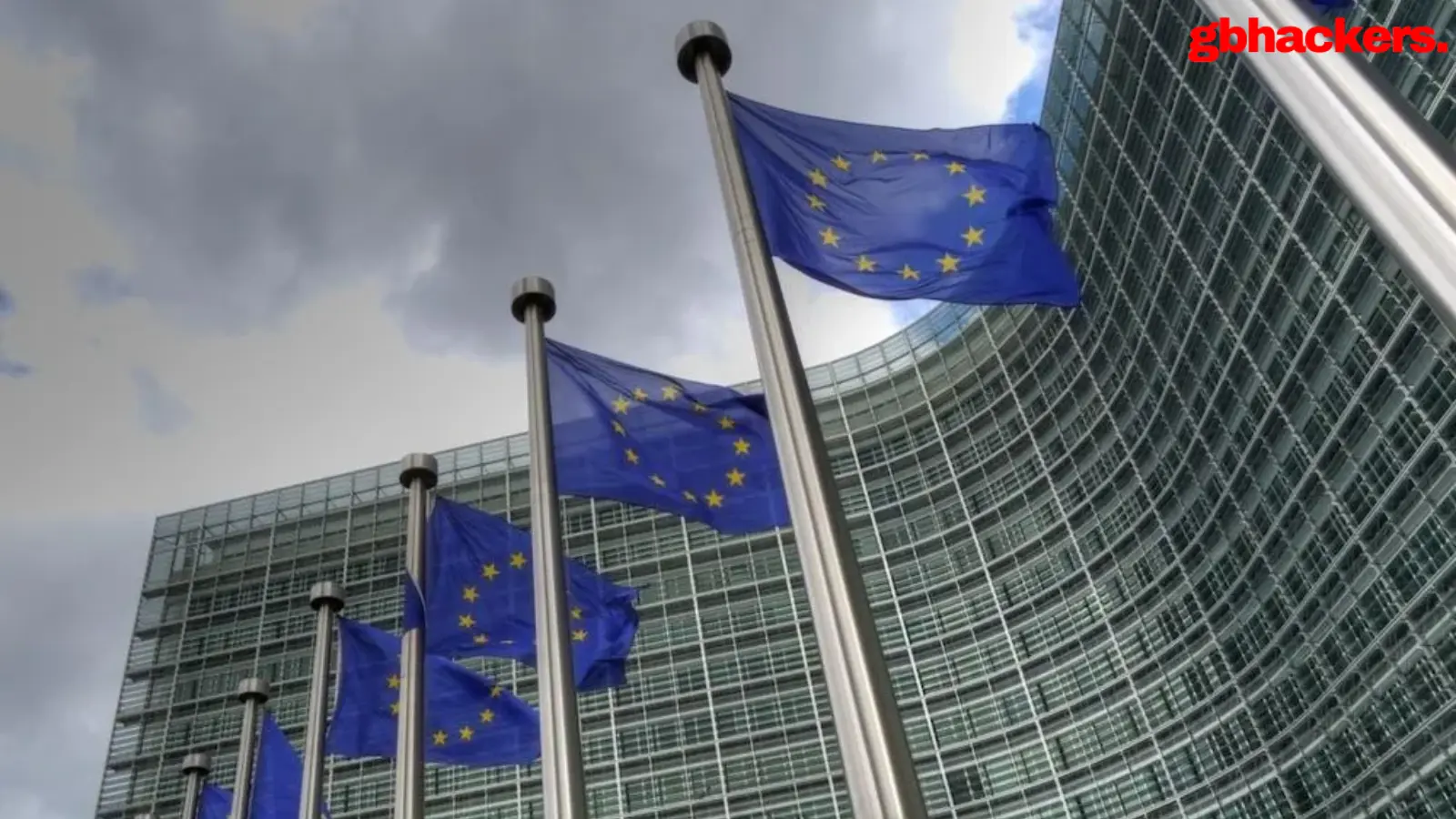
European Commission Confirms Cybersecurity Breach Affecting Cloud Infrastructure
The European Commission has acknowledged a recent cybersecurity incident that has impacted its cloud-based infrastructure, related to an Amazon Web Services (AWS) account. This account was used to host components of the Europa.eu platform, which serves as a key interface for public interaction with EU policies and resources.
An official statement from the Commission outlined the situation, clarifying that the compromised infrastructure specifically supported public-facing web services. Despite this intrusion, there were no reports of disruptions to the availability of the Europa.eu website. Authorities indicated that swift and effective mitigation measures were employed to isolate the breach, ensuring the continued operational functionality of the website.
Initial investigations into the breach have suggested that data may have been exfiltrated from the affected web platforms. This alarming discovery was reported on March 24, 2026, prompting urgent containment actions. Officials have emphasized that the core internal systems of the Commission remain secure and unaffected by the breach. The segmenting of public-facing services from internal infrastructures possibly contributed to preventing a more widespread incident.
While the exact nature and scope of the compromised data have not been revealed, the European Commission has proactively started notifying potentially impacted entities within the EU. This notification process is a crucial component of their incident response strategy, aimed at mitigating potential risks stemming from the data exposure.
Ongoing forensic investigations are being conducted by security teams to ascertain the precise methods through which the AWS account was compromised. Possibilities include credential theft, configuration missteps, or unauthorized access mechanisms. Historically, threats to cloud accounts tend to arise from weak access controls, inadequate implementation of multi-factor authentication (MFA), or exposed API keys, which have been frequently exploited in recent cyber campaigns targeting cloud infrastructure.
At this stage, the Commission has refrained from attributing the attack to any specific threat actor or group. However, this incident fits into a broader narrative of rising attacks targeting governmental cloud infrastructures and public sector digital services across Europe. The ongoing increase in cyber and hybrid threats has raised concerns about the safety and resilience of critical digital assets linked to European institutions.
Internal Systems Remain Unscathed
Officials have confirmed that the breach was restricted solely to externally hosted web infrastructure, ensuring that the internal networks, systems, and sensitive operational data of the Commission remained secure. This deliberate architecture separation likely played a significant role in preventing the cyber threat from spreading further into the organization’s IT ecosystem.
The Commission has been actively monitoring the situation, with plans to implement additional safeguards as necessary. Lessons learned from this incident will undoubtedly be leveraged to bolster the organization’s cybersecurity framework moving forward.
Incidentally, this breach occurs amidst a notable uptick in cyber threats against European institutions, critical infrastructure, and democratic processes. Nation-state actors, along with advanced persistent threat (APT) groups, have increasingly turned their focus to cloud environments due to the inherent scalability and centralized access controls these systems provide.
Cloud service providers, such as AWS, typically operate under a shared responsibility model, whereby clients are entrusted with securing their configurations, identities, and access policies. Any missteps in these areas can create vulnerabilities for attackers, despite the underlying security provided by the cloud platform itself.
EU Cybersecurity Measures in Motion
In light of such threats, the European Union has initiated several regulatory and operational measures aimed at enhancing resilience against cyberattacks. Among these efforts is the NIS2 Directive, which establishes a unified cybersecurity framework across 18 critical sectors, mandating both stronger incident reporting and risk management protocols. Additionally, the Cyber Solidarity Act has been introduced to improve coordinated response capabilities through frameworks like the European Cyber Shield.
The Cybersecurity Regulation aims to standardize security practices to protect EU institutions, personnel, and sensitive data. In January 2026, the Commission also rolled out a new Cybersecurity Package, designed to fortify collective defense mechanisms across EU member states.
As the European Commission continues to assess the ramifications of this cybersecurity breach, it remains in close coordination with relevant stakeholders to manage the unfolding situation. Further updates are anticipated as the investigation progresses.
This incident underscores the ongoing risks associated with cloud infrastructures and the critical need for robust identity management, consistent monitoring, and swift incident response practices. As cyber threats evolve, securing cloud environments has become an immensely important priority for public sector organizations worldwide, urging policymakers and cybersecurity experts to continually enhance protective measures against future threats.