
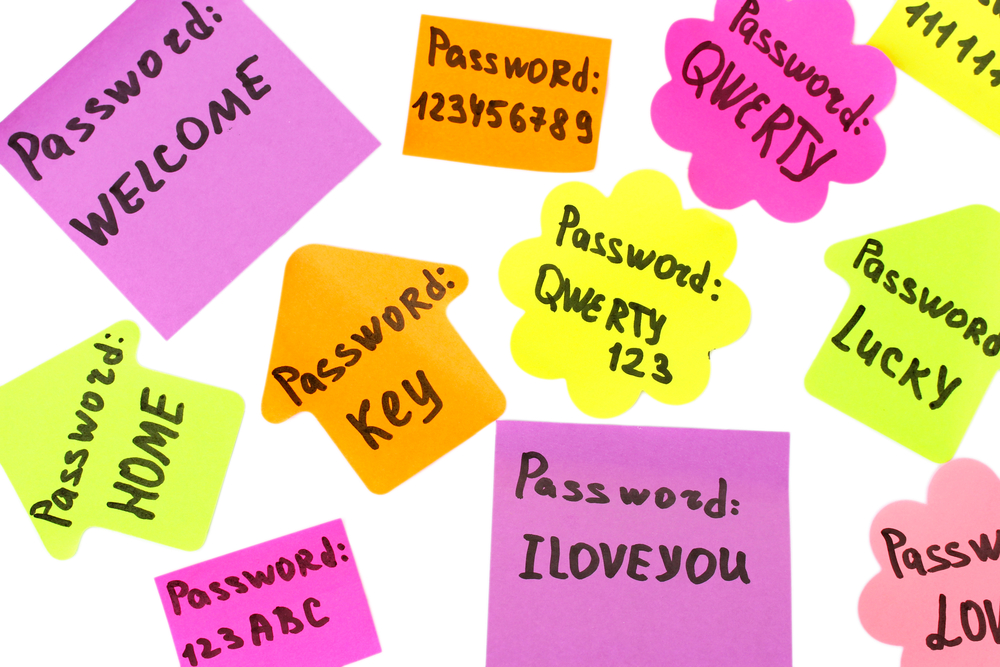
International Passwordless Day: A Call to Action in the Cybersecurity Landscape
June 23 marks International Passwordless Day, an observance that not only celebrates technological advancements in cybersecurity but also aligns with the birthday of renowned mathematician Alan Turing. His groundbreaking contributions to computing form the bedrock of cryptographic principles critical to modern passwordless authentication systems. This day serves as a significant reminder to focus on the transition away from conventional password-based systems, highlighting the urgent need to address persistent security vulnerabilities in today’s digital age.
Despite the existence of effective tools and standardized methods to replace password systems, passwords continue to be the most exploited entry point in cybersecurity breaches. Alarmingly, since the onset of 2025, over 16 billion passwords have been compromised globally—outnumbering the world’s population. According to Verizon’s Data Breach Investigations Report, credential abuse has now surged to comprise 22% of all breaches, situating it as the foremost initial attack vector, ahead of techniques such as phishing and software exploits. The prevalence of brute-force attacks has grown significantly, skyrocketing from 20% to 60% in basic web application attacks over the past year.
Yet, as effective as newer authentication methods may prove to be, the reality remains: passwords still dominate the authentication landscape in most organizations and consumer environments. Security experts are urging organizations to transition from mere awareness to meaningful action, candidly discussing the reasons behind the prolonged reliance on outdated systems.
Bridging the Ambition-Reality Gap
Muhammad Yahya Patel, vCISO and cybersecurity advisor for EMEA at Huntress, asserts that the cybersecurity industry needs to candidly address the disparity between its aspirational goals and the harsh realities of password usage. "International Passwordless Day should not be a celebration of challenges overcome," Patel states. "Rather, it should serve as a moment for reflection on the actual state of password authentication.”
He explains that while the benefits of passwordless systems, such as passkeys and phishing-resistant multi-factor authentication (MFA), are well established, and their adoption rates still lag behind expectations. The overwhelming reliance on passwords within enterprises is not indicative of a successful transition but rather points to a systemic issue that needs addressing.
Patel highlights three primary reasons for the slower-than-expected adoption rates of passwordless systems. First, the existence of legacy infrastructure poses daunting challenges. Many large organizations are beholden to decades-old systems built around traditional password authentication, creating a significant barrier to transitioning to modern standards. Second, user experience remains a conundrum; while tech-savvy individuals might benefit from passkeys, broader workforces may require extensive change management efforts that are often undervalued. Finally, the inconsistency across platforms complicates the issue further, with widespread consumer adoption of passkeys not yet mirrored in enterprise applications.
Enhanced Security Yet New Risks
For organizations that successfully transition to passwordless solutions, the journey is far from over. Jamie Beckland, Chief Product Officer at APIContext, accentuates that the removal of passwords can create new dependencies across the authentication framework that require diligent monitoring. “Passkeys and phishing-resistant authentication eliminate what has traditionally been a significant vulnerability in cybersecurity, the reusable password,” Beckland explains. Nevertheless, they introduce new complexities that must be carefully managed throughout the service delivery chain.
Success in adopting passwordless solutions hinges on understanding that this is both an upgrade in security measures and an operational resilience challenge. Continuous monitoring from user interaction to API responses is critical to identify failures before they impact customers or provide openings for potential attackers.
Skepticism Surrounding Biometrics
The conversation about passwordless alternatives is not without its challenges. Paul Bischoff, a Consumer Privacy Advocate at Comparitech, points out the rising skepticism surrounding biometric authentication methods, such as fingerprint scanning. Concerns regarding privacy and surveillance are driving many consumers to hesitate before sharing their biometric data with corporations. Unlike a password that can be easily changed, users cannot alter their fingerprints, causing a trust deficit in biometric systems.
Moving Beyond Stronger Passwords
Patricia Egger, Head of Security at Proton, provides historical context that helps to understand why the traditional password model has failed. Initially, passwords seemed effective in a simpler landscape where users had few accounts to manage. With the increasing complexity of online accounts and evolving threats, however, the frailties of the password-based system have become glaring. Band-aid solutions such as increasing password complexity or requiring MFA have tried to patch the underlying vulnerabilities, but these are not future-proof strategies.
Egger argues that the real long-term solution isn’t about creating stronger passwords but reducing reliance on them altogether. Technologies like passkeys tackle this issue at its root, minimizing the risks posed by sharable secrets. While passwords may persist in the security ecosystem for the foreseeable future, organizations should progressively shift toward systems anchored in cryptographic proofs rather than human memory.
A Unified Approach Required
Darren Guccione, CEO and Co-Founder of Keeper Security, observes that the challenge of transitioning to passwordless authentication cannot be viewed independently of existing credential systems. The structural inadequacies associated with passwords remain a key issue. Importantly, his research indicates a high level of password reuse among employees and reflects a hesitance to fully embrace new models like passkeys.
Despite progress, significant barriers remain, including complexities in technical integration and the need to foster support for hybrid user environments.
The Path Forward
The consensus among cybersecurity experts is clear: the technology to replace password systems is not only available but also effective. Despite organizations reporting notable reductions in phishing incidents and support overhead following passkey implementations, the industry still grapples with significant structural, organizational, and political barriers to widespread adoption.
As the threat landscape evolves, as noted by Patel, time is running out for organizations still vacillating on whether to adopt more secure forms of authentication. International Passwordless Day isn’t just a prompt for reflection; it’s a clarion call for decisive action in the pursuit of a more secure digital future.