
Malware Incident Targets macOS Users on Patel Foundation Merchandise Page
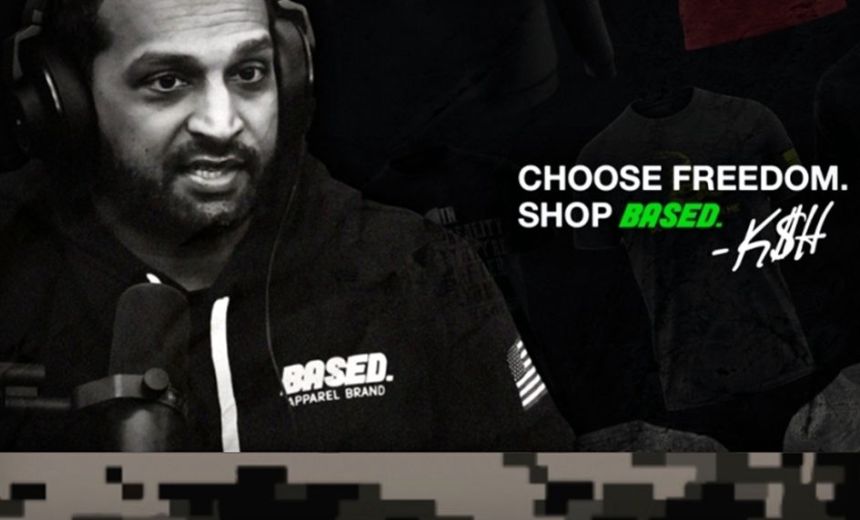
In a concerning development within the realm of online security, users browsing the merchandise page for Based Apparel—a clothing line co-founded by former FBI Director Kash Patel—were targeted by a sophisticated malware attack. This incident follows a prior cybersecurity breach in which hackers linked to Iran gained access to Patel’s personal email inbox, marking yet another instance where the prominent official’s name has surfaced amidst a cyber incident.
On May 22, 2026, it was reported that the website, known for its "MAGA swag," was subjected to a ClickFix attack designed to deceive shoppers into executing a malicious command. This event unfolded on a Thursday, and in response, the merchandise page was taken offline by Friday. Users visiting the site were presented with a fake Cloudflare verification page that aimed to trick them into copying a misleading command to verify their legitimacy as human users.
The initial discovery of this malicious activity can be credited to a Twitter user known as "debbie," who flagged the malware before it became widespread. Debbie later collaborated with technology publication PCMag to detail her findings, revealing that she had retrieved the harmful shell script payload. Notably, this payload was flagged as malicious by 27 security vendors on VirusTotal, a platform dedicated to identifying and analyzing malware.
In an official statement, the FBI clarified that Based Apparel is no longer associated with Kash Patel, emphasizing that he relinquished any ownership interest in the business before his confirmation as FBI Director. The agency asserted that Patel does not profit from the clothing line. Queries directed at Based Apparel for further comment remained unanswered, leaving a gap in information about the company’s response to this disturbing event.
This malware incident comes in the wake of a previous hacking attempt that targeted Patel’s Gmail account, a breach believed to have involved Iranian intelligence. Such incidents not only elevate concerns regarding cybersecurity among high-profile individuals but also raise alarms about the potential vulnerabilities in e-commerce platforms.
Based Apparel, co-founded by Patel and entrepreneur Andrew Ollis, maintains strong ties to Patel’s branding, as evidenced by the presence of graphics from his personal foundation on the company’s merchandise. Although Patel stepped away from the clothing store before February 2025, his historical association continues to cast a long shadow, especially in light of the recent cyber woes.
The malicious tactics deployed in this attack were particularly alarming. Upon visiting a specific product category page on the Based Apparel site, users who were operating on macOS encountered a staging Cloudflare turnstile. This prompted them to copy a verification message, and unbeknownst to them, a hidden command was discreetly copied to their clipboard. If executed, this command would download an information-stealing payload. This malware was designed to extract sensitive data, including cryptocurrency wallet information, session tokens, and even Keychain data, which holds password credentials for various applications and websites.
Security experts have noted that techniques such as ClickFix are gaining traction and being employed in campaigns that target thousands of devices daily, both in enterprise environments and for individual users. A recent analysis by Microsoft Threat Intelligence highlighted the proliferation of this social engineering technique, underscoring the necessity for users to exercise caution in their online activities.
The intersection of high-profile figures like Kash Patel with recurring cybersecurity incidents emphasizes the ongoing challenges that both individuals and organizations face in the digital space. As technology advances, so too do the methods employed by cybercriminals, making it imperative for internet users to remain vigilant and informed about potential threats.
In conclusion, the malware incident involving Based Apparel serves as a powerful reminder of the vulnerabilities present in online shopping environments, particularly when high-profile figures are involved. The implications of such breaches extend beyond individual users to affect the broader landscape of e-commerce security and trust, reinforcing the need for stringent protective measures and heightened awareness among consumers and businesses alike.