
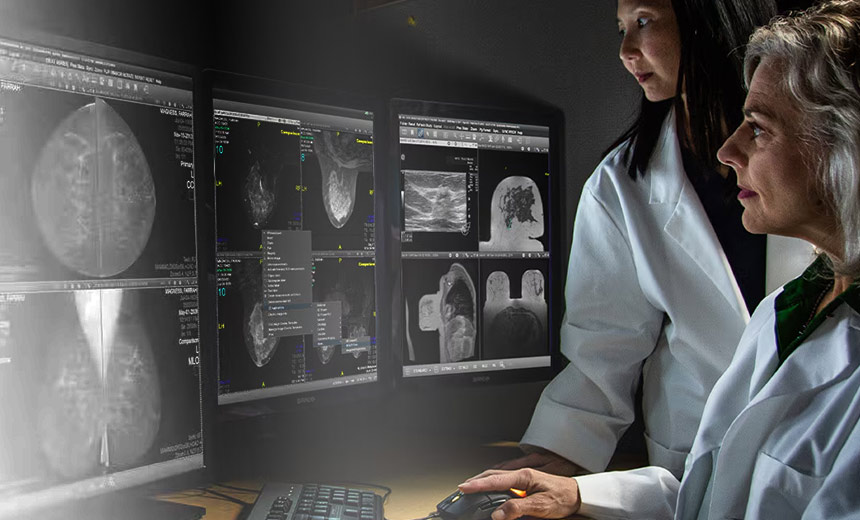
The United States Food and Drug Administration (FDA) has announced a recall involving specific medical imaging products from GE HealthCare, focusing on Centricity software versions susceptible to a cybersecurity vulnerability. This critical issue raises concerns about the safety and security of patient data, as it could potentially allow unauthorized individuals to manipulate medical data or affect the operational availability of the imaging products in question.
This recall has been classified as a “class 2” device recall by the FDA. Such classifications denote situations where the use of or exposure to a violative medical product may result in temporary or medically reversible adverse health consequences, or where the likelihood of serious adverse health consequences is considered remote. This classification reflects the inherent risks associated with operating potentially compromised medical imaging systems in healthcare settings.
The affected devices include particular models of the GE Centricity Universal Viewer Software, specifically versions 5.0 SP6 through 5.0 SP7.1. This software plays a crucial role in displaying medical images, encompassing a variety of imaging modalities including mammograms, and facilitates access to data from different imaging sources. Its potential vulnerability necessitates immediate attention, considering the significant role it plays in diagnostic processes.
Despite the serious nature of the recall, GE HealthCare has indicated that there have been no reported instances of unauthorized access to patient data connected to this vulnerability. A spokesperson for the company clarified that exploiting this security flaw would require direct, physical access to the affected workstations. This narrows down the potential risk, but does not eliminate it entirely, raising alarms about the necessity of robust physical security measures in healthcare environments.
Detecting the issue during routine testing, GE HealthCare has proactively reached out to its customers through an “urgent medical device correction” notification letter, dispatched on January 30. It was only following this communication that the FDA publicly posted the recall notice on March 19, highlighting the evolving dynamics between healthcare manufacturers and regulatory agencies in managing and reporting device cybersecurity risks.
The details provided in the FDA alert specify that the vulnerability exists due to the potential exposure of user login credentials on local client workstations. This revelation emphasizes the importance of stringent user authentication practices, as compromised credentials could lead to unauthorized alterations in data or system availability. To mitigate risk, GE HealthCare has recommended that customers instate certain operational precautions. These include ensuring that their workstations comply with suggested security controls outlined in product manuals and employing network account authentication through Active Directory services for comprehensive user management.
As an assurance to their clientele, GE HealthCare has committed to rectifying all affected products at no additional cost to the impacted customers. This gesture demonstrates the company’s recognition of the potential hazards posed by the vulnerability, as well as its dedication to maintaining the integrity of healthcare practices reliant on their technology.
Interestingly, while voluntary recalls of medical devices stemming from cybersecurity concerns remain relatively rare, their occurrence is becoming increasingly common in light of the FDA’s intensified scrutiny regarding cyber threats affecting medical devices. This shift in regulatory focus reflects broader industry trends and the pressing need for enhanced cybersecurity measures in the healthcare sector. As technology evolves, so too must the vigilance and preparedness of healthcare entities to safeguard against rising cybersecurity threats.