


Mozilla Introduces Built-In Ad Blocker for Firefox on iOS: Enhancing User Experience and Privacy
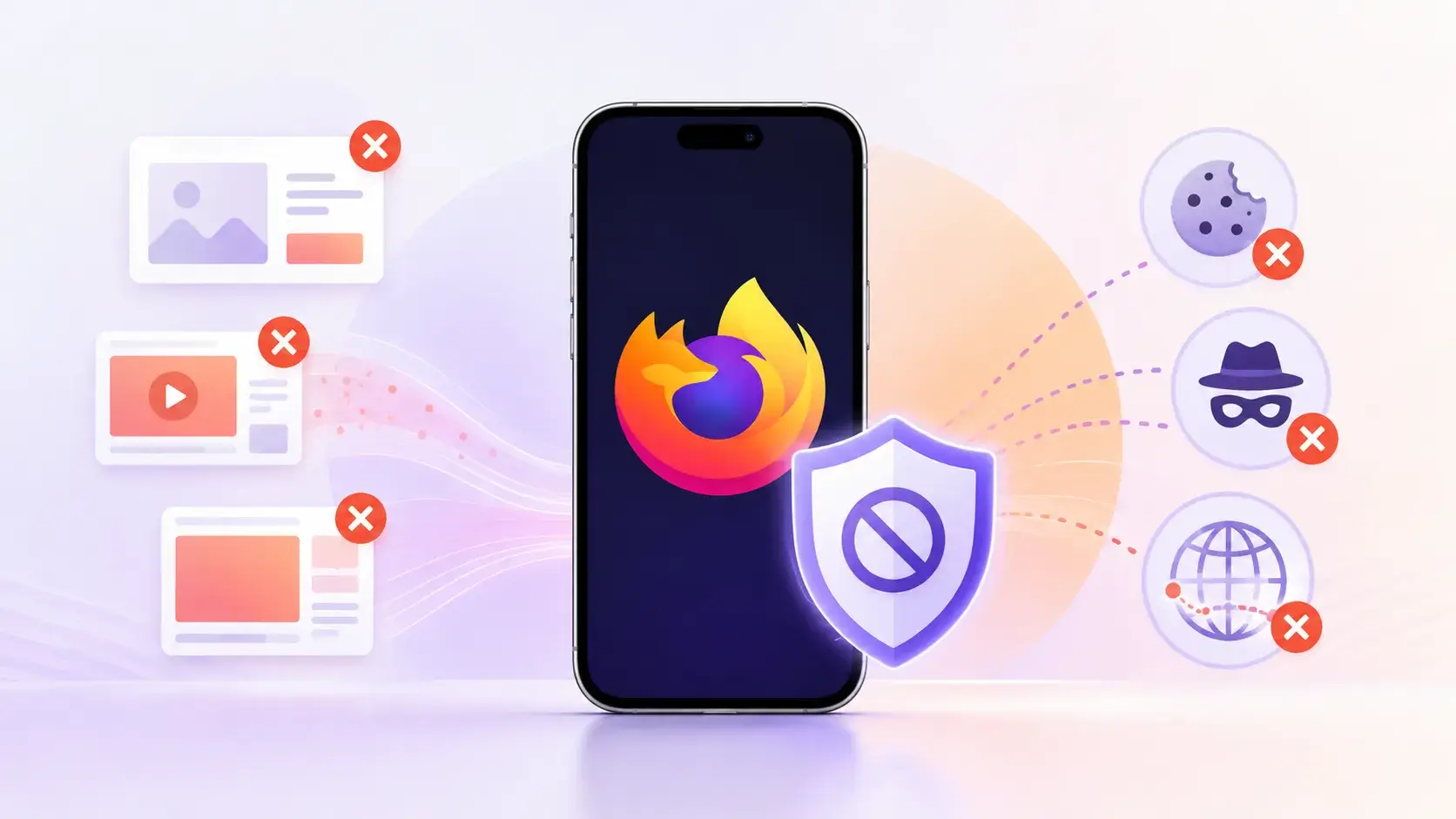
Mozilla has officially launched a built-in ad blocker for its Firefox browser on iOS, a move that offers iPhone users a native solution to significantly reduce the strain of advertisements on their browsing experience. This feature, announced on September 1, 2026, aims to provide users with an effective way to block many third-party advertisements and associated trackers before they even load in the browser.
The introduction of this ad-blocking feature comes in response to the growing concern among mobile users about intrusive browsing elements. Pop-ups, overlays, and various display advertisements not only disrupt the flow of reading but also consume valuable screen real estate on mobile devices. By providing an ad blocker, Mozilla seeks to enhance usability and promote a more enjoyable browsing experience for Firefox users on the iPhone.
The ad blocker is set to be disabled by default when users first download the browser, allowing individuals to choose when—or if—they wish to activate it. Users can manually enable this feature by navigating to the Settings menu and selecting Browsing, followed by the Ad Blocker option on their Firefox app.
This new functionality utilizes Apple’s WebKit Content Blocker technology, which enables browsers and content-blocking applications on the iOS platform to apply predetermined filtering rules to network traffic and page content. Mozilla has confirmed that the ad blocker relies on the widely respected EasyList filter list to identify various advertisement resources and tracking elements. This list is prevalent within the ad-blocking community and serves to detect domains, scripts, page elements, and network requests commonly associated with online advertising.
One of the core benefits of this built-in ad blocker is its ability to prevent selected third-party resources from loading. By doing so, it minimizes visual clutter on web pages while decreasing users’ exposure to advertising infrastructure that has the potential to collect browsing data. This feature is presented by Mozilla as an additional measure of privacy and usability, not as a complete ad-killing solution.
It is essential for users to understand that while this feature will significantly decrease the volume of advertisements they encounter, it will not eliminate all adverts. Ads that are directly delivered by the websites being visited may still remain visible, as will sponsored placements that appear in search results. This nuance is critical; the ad blocker is designed to filter out unwanted elements while maintaining the integrity of the web experience.
Moreover, Mozilla has clarified that the filtering capabilities of this ad blocker do not extend to sponsored shortcuts or any sponsored content showcased by Firefox on its new-tab page. This distinction highlights how advertising on the web can vary, as content blockers on iOS typically rely on browser-level filtering rules rather than modifying every aspect of the browser interface. Firefox’s approach chiefly targets advertisements and trackers that web pages request during browsing sessions, keeping in mind the need for balance in web monetization.
Mozilla underscores the synergy between this ad blocker and its pre-existing privacy features already embedded in Firefox, including Enhanced Tracking Protection. This functionality is designed to block many known trackers and minimize cross-site tracking activities. When combined, these two protective measures offer users separate layers of defense: Enhanced Tracking Protection specifically addresses tracking technologies, while the ad blocker extends its reach to cover a wider range of advertising resources based on the established EasyList rules.
On desktop and Android platforms, Firefox supports third-party extensions that provide access to a diverse ecosystem of ad-blocking and privacy-focused add-ons. However, restrictions imposed by Apple on its platform have prevented similar functionalities on iOS. As a result, Mozilla has opted to integrate ad-blocking features directly into Firefox for iPhone, ensuring that users still benefit from this essential capability, albeit without the extension ecosystem offered on other platforms.
This optional feature acknowledges the importance of advertising to publishers, creators, and websites populating the open web. For those users who may encounter issues, such as broken pages or missing advertisements, Mozilla encourages feedback through Mozilla Connect, reflecting its dedication to refining user experience.
In conclusion, by introducing a built-in ad blocker specifically for Firefox on iOS, Mozilla aims to enhance user privacy and browsing experience. This strategic decision not only addresses the growing demand for improved browsing tools but also reinforces Mozilla’s commitment to preserving the openness of the web while supporting creators and publishers through responsible advertising practices.