


The Rising Threat of FluBot: Understanding the Banking Trojan
In an era defined by growing digital connectivity, the emergence of mobile threats poses significant dangers, particularly for Android users. One such alarming threat is FluBot, a rapidly spreading banking trojan that has come to the forefront of cybersecurity concerns. This malicious software is engineered to steal sensitive information, especially banking credentials, while propagating itself aggressively through infected devices.
What is FluBot?
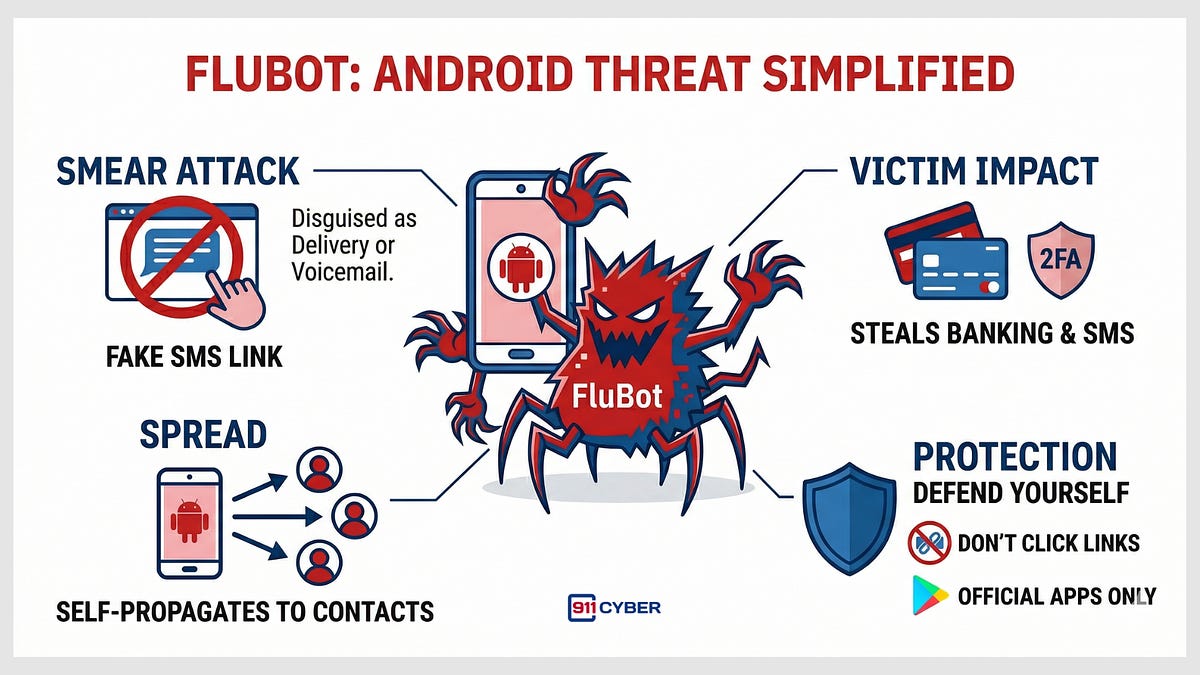
FluBot is primarily categorized as a banking trojan, a type of malware designed to compromise the banking security of its victims. Unlike traditional malware that might require manual installation by users, FluBot spreads predominantly through malicious SMS messages. These messages are often disguised as legitimate communications, tricking unsuspecting users into clicking on links that lead to the installation of the trojan on their devices.
Once FluBot successfully infiltrates an Android device, it exhibits a range of malicious behaviors designed to compromise user security. Perhaps most alarmingly, it is capable of stealing passwords and intercepting crucial SMS messages, which can include two-factor authentication codes or other sensitive notifications. In some cases, the malware can even gain control over the compromised device, turning it into a platform for further distribution of its malicious payload.
The Mechanics of Infection
The FluBot malware employs a variety of techniques to spread. Typically, it begins its lifecycle with the arrival of an innocuous-looking SMS. Users may receive a notification about a package delivery or a missed call, prompting them to click on a link provided in the message. This link often leads to a counterfeit website that mimics legitimate applications, creating an illusion of authenticity that encourages users to download the malicious software.
Once FluBot is installed, it proceeds to request extensive permissions, sometimes even masquerading as a system update or a trusted app. This enables the malware to operate freely within the device, surveilling user activity, accessing sensitive data, and communicating back to a command-and-control server operated by cybercriminals.
The Impact of FluBot
The potential consequences of a FluBot infection are profound. Users can experience significant financial and personal harm, as their sensitive banking information can be exploited for unauthorized transactions or identity theft. For businesses, the repercussions can be even more severe, especially if employees inadvertently compromise corporate data through their mobile devices.
Moreover, FluBot’s aggressive nature presents a challenge for cybersecurity professionals. Due to its rapid propagation, it can infect large numbers of devices in a short timeframe, making containment efforts difficult. Users can unwittingly pass the trojan onto their contacts, further amplifying its reach and impact.
Preventing FluBot Infections
To combat the FluBot threat, users are advised to remain vigilant. Here are some preventive measures:
-
Ignore Suspicious SMS: Users should be skeptical of unsolicited messages, particularly those containing links. Importantly, legitimate organizations rarely request sensitive information via text.
-
Install Security Software: Investing in reputable mobile security solutions can provide an additional layer of protection. These tools can scan for and identify suspicious applications before they can cause harm.
-
Update Operating Systems and Apps: Regularly updating mobile devices helps ensure the latest security patches are installed, mitigating vulnerabilities that could be exploited by malware.
- Educate and Inform: Users should be educated about the risks of malware and how to recognize potential threats. Awareness is one of the most effective tools for prevention.
Conclusion
The FluBot malware is a stark reminder of the vulnerabilities inherent in mobile technology. As digital threats evolve, the need for robust cybersecurity practices becomes ever more critical. Heightened awareness, proactive measures, and a commitment to safeguarding personal and financial information are essential in the fight against such rampant threats. By understanding the nature of FluBot and taking appropriate actions, users can better protect themselves and their sensitive information from this insidious trojan.