
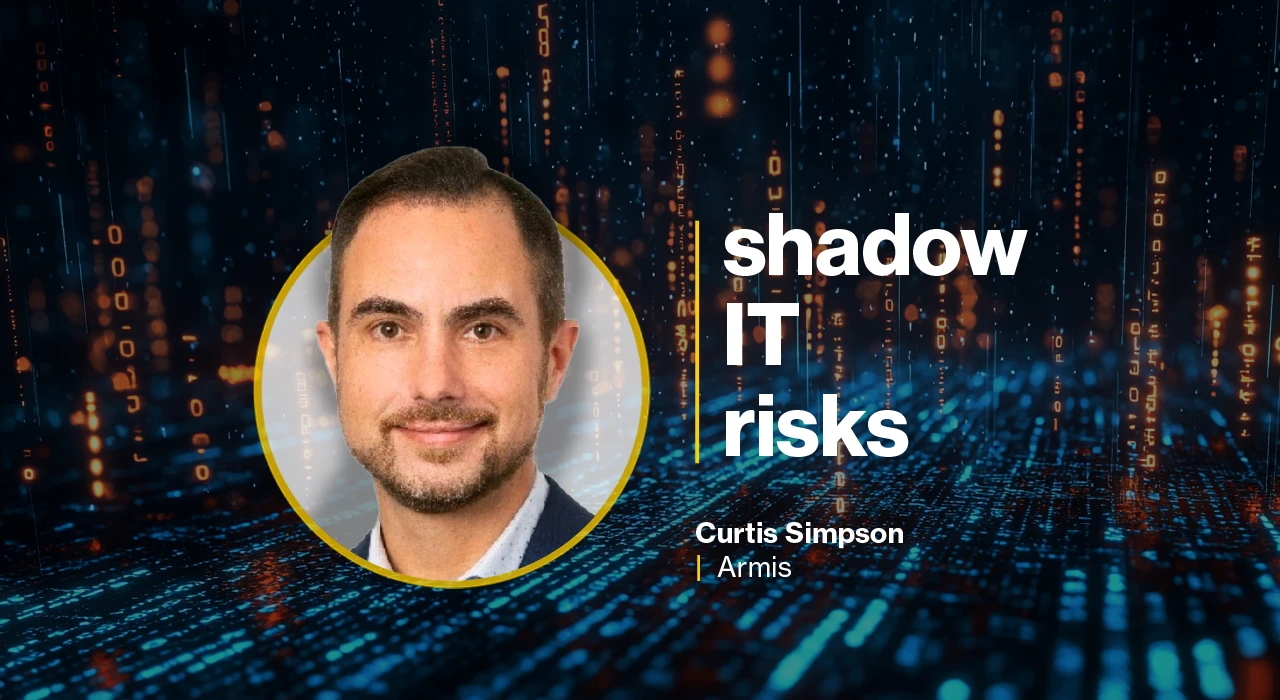
CISOs play a crucial role in balancing security and innovation within organizations, especially when it comes to managing the risks associated with shadow IT. In a recent interview with Curtis Simpson, CISO and Chief Advocacy Officer at Armis, the importance of proactive partnerships with business leaders to identify secure alternatives for unsanctioned tools was highlighted. Instead of implementing restrictive policies, CISOs should collaborate with key stakeholders to understand the drivers behind shadow IT and find secure, compliant solutions that allow employees to innovate safely.
One effective strategy to address shadow IT risks involves establishing regular touchpoints with key business partners such as HR, finance, and sales. By focusing on solving the challenges faced by these teams and offering support from a collaborative standpoint, technology leaders can build strong partnerships and guide business partners towards secure technology solutions. This approach not only addresses immediate security concerns but also aligns technology initiatives with business goals.
Maintaining full visibility into the technology landscape is crucial for CISOs and CIOs to proactively manage shadow IT risks. Employees often adopt new applications and tools to boost productivity, but without proper oversight, these unmanaged assets can introduce security vulnerabilities. By adopting processes and technologies that provide contextual visibility into all assets, organizations can effectively identify and prioritize risks based on potential business impact. This enables security teams to mitigate risks through additional controls or steering the business towards supported solutions while enhancing existing capabilities.
One of the common misconceptions among executive leadership is underestimating the scale of unmanaged assets within the organization. Many executives view shadow IT as a minor issue that can be ignored, leading to security blind spots. Employees often turn to unsanctioned tools to remain productive, unaware of the associated security risks. It is essential for organizations to have real-time asset intelligence to monitor and manage shadow IT dynamically, allowing security teams to mitigate risks while fostering innovation.
AI and automation are playing a significant role in enhancing asset visibility and managing shadow IT within organizations. These technologies enable real-time discovery, risk assessments, and response, eliminating the need for manual processes. By continuously scanning the network, AI can identify both authorized and unauthorized assets, assess their risk levels, and prioritize remediation based on potential threats. Automation complements AI by swiftly flagging issues and enforcing security policies to contain threats in real time, thus ensuring comprehensive visibility into the attack surface and empowering security teams to respond effectively.
While traditional endpoints have been the primary focus of many security solutions, the modern cyber risk landscape extends beyond IoT, SaaS sprawl, and cloud assets. It is crucial for CISOs to recognize the need for real-time visibility and proactive management of all connected assets to effectively mitigate cyber risks. Embracing AI-driven security solutions can empower organizations to anticipate and counteract emerging threats, strengthening their defenses across the evolving digital ecosystem.
In a world where employees constantly adopt new SaaS applications, organizations must redefine their governance models to adapt to dynamic and evolving security challenges. Rigid governance approaches should give way to a more proactive, risk-based strategy that embraces continuous visibility and collaboration with key stakeholders. By establishing service-oriented partnerships and leveraging modern capabilities for comprehensive visibility, organizations can enhance their security programs and effectively manage the risks associated with employee-driven technology adoption. Effective governance requires a continuous and adaptive approach to address evolving security threats and maintain a strong security posture in the face of dynamic IT environments.
Overall, the role of CISOs in balancing security and innovation while managing shadow IT risks is crucial for organizations to maintain a robust security posture, foster innovation, and address emerging cyber threats effectively. By fostering proactive partnerships, embracing AI and automation, and rethinking governance models, organizations can navigate the complexities of shadow IT and enhance their overall security resilience in today’s digital landscape.