
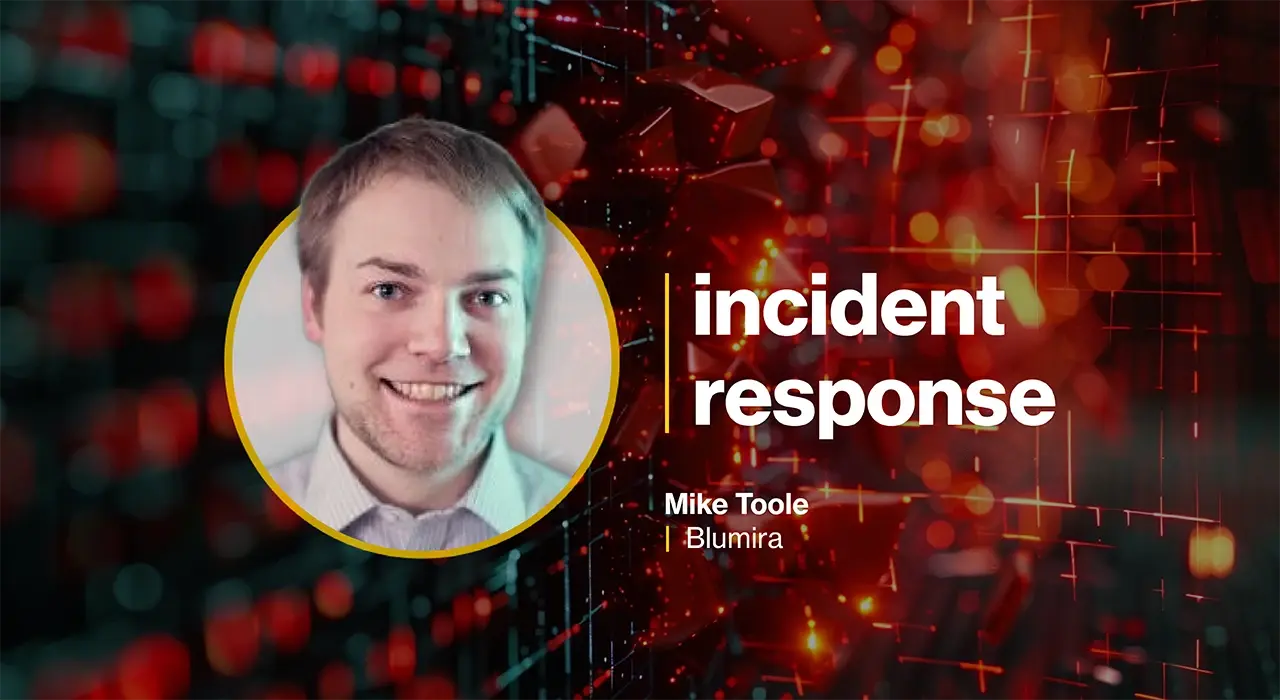


In a recent interview with Help Net Security, Mike Toole, the head of security and IT at Blumira, discusses the key components of an effective security incident response strategy and how they work together to address cybersecurity issues within organizations.
Toole emphasizes the importance of having an incident response plan as the foundational component of a proactive cybersecurity approach. This plan should provide clear procedures and guidance for responding to threats, including threat identification, containment, data protection, threat elimination, system restoration, communication, and evaluation of the response process. By having a detailed roadmap in place, organizations can prevent missteps and ensure a swift and effective response to cybersecurity incidents.
Another crucial component highlighted by Toole is the need for vulnerability evaluation. By documenting devices and network segments, organizations can identify potential areas of weakness where attackers may access sensitive information. Moreover, considering the implementation of advanced threat detection and response solutions can help bolster the organization’s ability to monitor and address vulnerabilities effectively.
Continuous feedback and maintenance of the incident response plan are also essential aspects emphasized by Toole. Updating the plan regularly with insights from past incidents and employee feedback allows organizations to adapt to new threats and strengthen their overall incident response strategy. This iterative approach ensures that the organization remains proactive and agile in responding to evolving cybersecurity challenges.
Additionally, Toole stresses the importance of service continuity planning in the event of a security incident. By having backup processes or emergency call center operations in place, organizations can ensure critical services remain operational during an attack, minimizing disruption and maintaining resilience.
As organizations increasingly adopt cloud services, new challenges arise in incident response strategies. The complexity of managing multiple cloud platforms, limited access to logs and data, and dependencies on third-party providers add layers of complexity to incident response in cloud environments. It becomes crucial for organizations to stay ahead of evolving cloud threats, bridge the skills gap for effective incident management, and adapt to the changing landscape of cloud services and features.
Automated tools and technologies play a pivotal role in modern incident response strategies by enabling early detection, prioritization of incidents, streamlined response execution, improved visibility, and faster access to critical information. By leveraging automation, organizations can enhance their incident response efficiency, maintain business continuity, and strengthen overall resilience.
To measure the effectiveness of incident response efforts, organizations can track metrics such as Time to Detect, Time to Respond, Time to Contain, Time to Recover, Incident Detection Rate, False Positive/Negative Rates, and Compliance with regulatory requirements and industry standards. These metrics provide insights into the responsiveness, reliability, and accuracy of incident response actions.
Effective communication with stakeholders, including employees, customers, and partners, during and after a cybersecurity incident is vital for maintaining trust and minimizing the negative impact of incidents. By developing a comprehensive crisis communications plan, tailoring messages to different audiences, providing timely updates, and establishing a feedback mechanism, organizations can demonstrate transparency, control the narrative, and reassure stakeholders amidst a cybersecurity incident.