
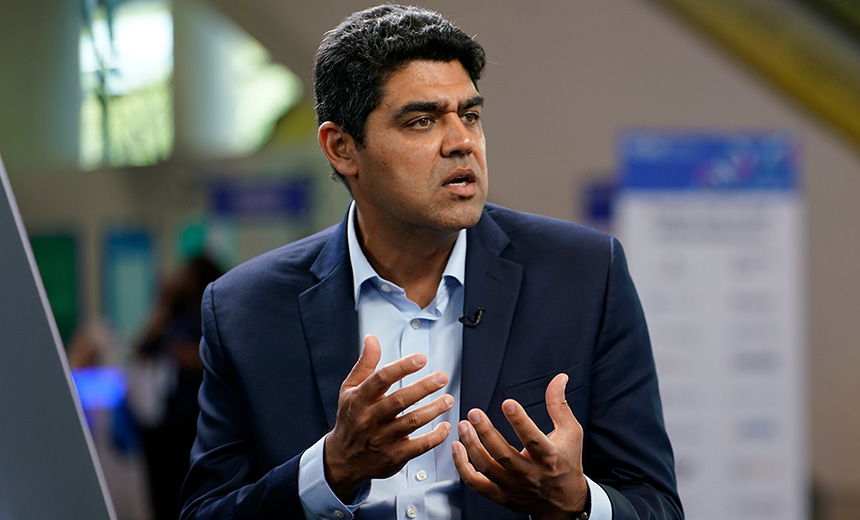


WEF’s Akshay Joshi on AI Risks, Geopolitics, and the Growing Cyber Divide
As the digital world evolves rapidly, the cybersecurity landscape has become increasingly intricate. Akshay Joshi, who serves as the head of the Center for Cybersecurity at the World Economic Forum (WEF), recently emphasized this complexity. He stated that “rapid advances in AI, coupled with a complex geopolitical backdrop and new supply chains being forged at breakneck speed – all of these have very real ramifications on cybersecurity.” This statement sheds light on the pressing challenges that organizations face today in safeguarding their cyber environments.
The recently published WEF’s Global Cybersecurity Outlook 2026 provides a comprehensive overview of these challenges, revealing that over 90% of large organizations now account for geopolitical risks in their cyber strategies. This shift indicates a growing awareness of how international tensions and dynamics can directly impact cybersecurity protocols. Additionally, the report highlights the vulnerabilities present within supply chains, which have been identified by 65% of organizations as a significant barrier to achieving cyber resilience. This statistic underscores the urgency of addressing these vulnerabilities, especially as the adoption of artificial intelligence accelerates.
According to Joshi, tackling this intricate web of challenges necessitates that cybersecurity leaders abandon outdated, siloed strategies. He argues for a more holistic approach, treating the intersection of AI, geopolitics, supply chains, and workforce constraints as interconnected challenges that must be addressed concurrently. This seamless integration of various factors is essential for developing effective cybersecurity strategies in an increasingly digital world.
During a recent video interview with Information Security Media Group at the RSAC Conference 2026, Joshi elaborated on several critical topics. He pointed out that the “agentic era,” characterized by unprecedented levels of autonomy in technology, cannot progress without placing cybersecurity at the forefront. The implication is clear: if organizations desire to innovate and evolve within this new era, they must prioritize digital safety and protection.
Furthermore, Joshi addressed the ongoing geopolitical resets that are prompting a shift in resilience thinking. This shift extends beyond the confines of individual organizations and includes infrastructure like subsea cables and hyperscale environments. This holistic perspective reflects the interconnected nature of modern cybersecurity risks, where the failure of one component can lead to vulnerabilities across a larger network.
Interestingly, Joshi also discussed the potential of AI to democratize access to cybersecurity tools. He believes that advancements in artificial intelligence could provide underserved organizations with the resources they need to protect themselves from cyber threats effectively. This democratization could narrow the cybersecurity gap, allowing even smaller entities to enhance their defenses in an increasingly hostile digital landscape.
At the World Economic Forum, Joshi continues to advocate for the importance of treating cybersecurity as a strategic imperative. His efforts are focused on promoting collaborative action between public and private sectors to address systemic cyber risks. With a rich background that includes management roles in maritime transport and public relations, Joshi is well-positioned to lead discussions on these pressing issues.
In conclusion, the complexities of cybersecurity are only expected to grow in the coming years. With the rapid evolution of AI, ongoing geopolitical shifts, and vulnerabilities in supply chains, organizations must adopt a more integrated and adaptive approach to their cybersecurity strategies. As Akshay Joshi underscores, the time is now for leaders to recognize the interconnected nature of these challenges and act decisively to ensure that their organizations are resilient in the face of an ever-changing digital landscape.