
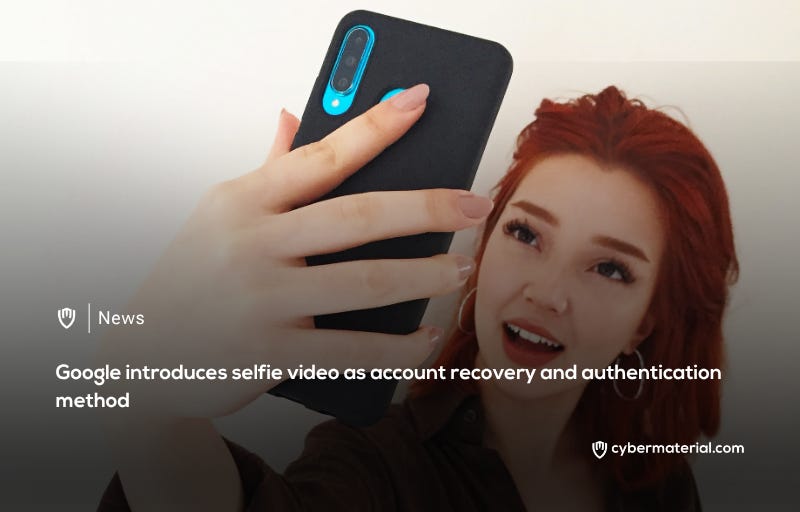
Google Introduces Selfie Video Authentication for Account Recovery
In a major move to enhance user security, Google has launched a groundbreaking account recovery feature utilizing selfie video authentication. This innovative approach allows users to regain access to their locked Google accounts through a simple process of recording a short video of their face. The technology works by comparing this recorded video against a previously stored version to verify the identity of the account owner effectively.
This new video authentication feature directly addresses a prevalent issue faced by many users: being locked out of their accounts. Traditionally, users have relied on passwords, security questions, or multi-factor authentication methods. However, scenarios can arise where accessing these conventional recovery methods becomes impossible—such as forgetting a password or losing access to the device linked to their account.
To set up this feature, the process is notably user-friendly. Users are prompted to look into their device’s camera and follow straightforward onscreen instructions. These instructions guide users through a series of simple head movements designed to capture multiple angles of their face. This multi-angle approach is a significant advancement as it helps ensure a more accurate identity verification process and minimizes the potential for spoofing attempts that could compromise security.
The introduction of video-based biometric authentication underscores Google’s commitment to providing robust security measures while simultaneously considering user convenience. By expanding the options available for account recovery, Google acknowledges that traditional methods may not always be accessible at critical moments. This forward-thinking initiative is part of a broader effort to adapt to the increasingly sophisticated landscape of cybersecurity threats.
Moreover, users are encouraged to proactively set up this selfie video feature as an additional avenue for account recovery. Security experts emphasize the importance of having multiple recovery methods established well before they are needed. Account lockouts frequently happen at the most inconvenient times, making this preemptive measure crucial. The selfie video option complements existing recovery methods, which include backup codes, recovery email addresses, and phone number verification.
The implementation of this technology not only caters to individual users but also reassures businesses and organizations that depend heavily on Google services. As cyber threats evolve, the ability to regain access securely is essential for all users, be it for personal or professional use. Google’s initiative reinforces the understanding that while security measures are vital, user experience and accessibility should not be compromised.
Finally, the launch of the selfie video authentication feature reflects a growing trend in the tech industry towards biometric authentication methods. Many companies are recognizing the need to adopt innovative solutions that go beyond traditional passwords, which can be forgotten or compromised. Google’s entry into this arena serves not only to bolster its own offerings but also encourages a broader reassessment of security protocols across the industry.
In conclusion, Google’s rollout of the selfie video account recovery feature represents a significant leap forward in user authentication technology. By combining security and convenience, Google is setting a new standard for how users can manage their accounts. As cyber threats continue to proliferate, such advancements in technology are critical for safeguarding sensitive information while ensuring that users retain easy access to their online identities. The proactive establishment of this feature can provide users with peace of mind, knowing they have a reliable method to regain access to their accounts, no matter the circumstance.