
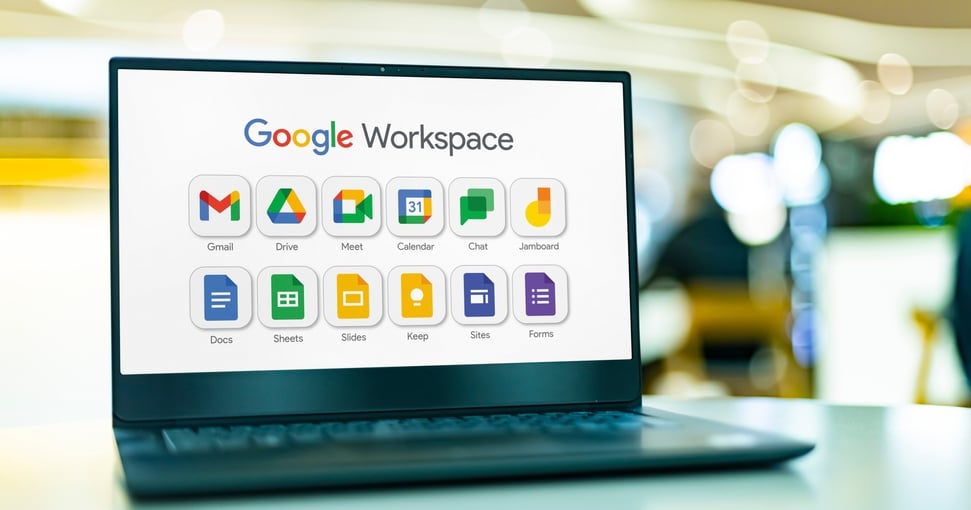
Google is leveraging a recent report from the US Cyber Safety Review Board (CSRB) that criticized Microsoft’s security practices to advocate for its own Google Workspace suite of cloud-hosted email and office productivity apps. Without directly naming Microsoft, Google executives highlighted the CSRB report in two separate blogs as a reason for enterprises to consider transitioning from Microsoft Exchange Online hosted email to Google Workspace.
To support this initiative, Google has introduced a new Secure Alternative Program offering special pricing on Google Workspace Enterprise Plus and Mandiant’s incident response service for organizations making the switch. Additionally, Google will provide migration and change management support to facilitate the transition from Exchange Online to Workspace.
The focal point of Google’s argument is the notion of the risks associated with dependence on a single technology vendor. Google Cloud’s senior director of global risk and compliance, Jeanette Manfra, emphasized in a blog post that the recent CSRB report highlighted significant security failures and systematic weaknesses in a longstanding vendor, underscoring the concerns associated with such monocultures in technology.
The CSRB report, cited by Google, investigated two incidents in which nation-state actors breached Microsoft’s Exchange Online environment. One incident involved a Chinese cyberespionage group gaining access to email accounts of senior US government officials, while the other incident saw a Russian actor infiltrating Microsoft executive leadership’s email accounts and internal systems. The report attributed these breaches to a “cascade of security failures” at Microsoft, prompting the need for a security overhaul within the company.
In response to the report, Microsoft has committed to implementing sweeping organizational changes and enhancing cybersecurity measures. The company’s Secure Future Initiative aims to enhance cybersecurity protection across its platforms and products, emphasizing the importance of security as a top priority.
Industry analysts perceive Google’s campaign as an opportunistic move to capitalize on the findings of the CSRB report and position Workspace as a safer alternative to Microsoft’s offerings. While Google has made strides in the cloud-native space, it faces challenges breaking into mainstream corporate America, where Microsoft’s dominance remains strong.
Despite Google’s claims of offering a more secure-by-design environment with reduced attack surfaces, analysts caution that no system is impervious to security incidents. Both Google and Microsoft have experienced security breaches in the past and continue to invest heavily in securing their environments.
In conclusion, Google’s campaign to position Workspace as a secure alternative to Microsoft’s offerings reflects the competitive landscape in the cloud-hosted email and office productivity market. The focus on security and the potential risks of monocultures in technology underscore the importance of a robust cybersecurity strategy for enterprises transitioning to cloud-based solutions. As the market evolves, organizations must carefully evaluate the security implications of their technology choices to mitigate potential risks and safeguard their data and operations.