
Grupo Bimbo Transforms Operations with Migration to Oracle Fusion Cloud
Grupo Bimbo, recognized as one of the largest baking companies globally, is embarking on an extensive overhaul of its operations through a significant transition to Oracle Fusion Cloud Applications. This migration represents a decade-long initiative that reflects the company’s commitment to modernizing its enterprise resource planning (ERP) systems.
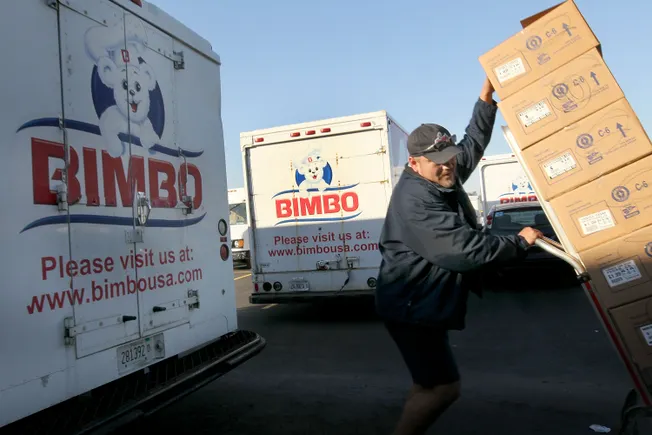
Central to Grupo Bimbo’s ambitious strategy is the desired outcome of establishing a unified SaaS application platform capable of delivering comprehensive visibility across its supply chain and streamlining logistics. Such enhancements are particularly beneficial to a company operating in an expansive footprint of 93 countries, utilizing a vast network that includes 249 bakeries and plants, over 1,700 sales centers, and more than 54,000 delivery routes. The size and complexity of this distribution framework make the pursuit of efficiency and cohesion not just advantageous, but essential.
Rob Dombkowski, the senior director of business technology for Grupo Bimbo, articulated the financial aspect of the company’s supply chain management during a recent conversation at the Oracle AI World conference in Las Vegas. He highlighted that supply chain management constitutes the most significant portion of the company’s expenditures, illustrating the critical opportunity available for cost optimization and waste reduction. Dombkowski emphasized the need for efficiency in operations, focusing on effective truck loading and product delivery.
The migration to Oracle Fusion Cloud presents numerous advantages, including reduced infrastructure costs and simplification in the management of numerous systems. This transition not only positions Grupo Bimbo to leverage advanced AI features inherent in the Fusion Cloud but also presents challenges as they adapt to shifting market dynamics and societal pressures.
Grupo Bimbo’s headquarters in Mexico City generates an impressive annual revenue of $23 billion, driven by an extensive portfolio that boasts over 9,000 baked goods and snack varieties, such as well-known brands like Arnold, Entenmann’s, and Sara Lee in the United States. Prior to the ongoing migration, the organization faced the challenge of operating with two outdated versions of Oracle’s E-Business Suite—Release 11 and R12. The company began the deployment of core modules within the Oracle Fusion Cloud Supply Chain and Manufacturing suite, including warehouse and transportation management, and continues to roll out additional components such as financials and human resources.
Dombkowski cited Bimbo Canada, which previously used SAP, as a pivotal reference point for the migration, establishing a "lighthouse" model for the rest of the organization. As the firm replicates this strategy across the United States and Mexico, it envisions a cohesive Oracle framework that can later be extended to other countries.
Within the past two years alone, the United States has successfully implemented this new system across 56 bakeries and approximately 62 distribution centers, contributing to a global total exceeding 300 facilities. Visibility into operations such as manufacturing and distribution has markedly improved, enabling the company to pursue end-to-end supply chain planning and unearth potential savings.
Beyond the technological advancements, Grupo Bimbo faces inherent challenges associated with change management. Dombkowski noted that the gap in knowledge and experience between different generational cohorts within the workforce has proved to be a significant obstacle. In particular, the demographic between 30 and 45 years old lacks the foundational process knowledge that their predecessors possessed. This gap has arisen as seasoned professionals responsible for defining business processes retire and are replaced by newer employees who may approach problems differently, often favoring AI and digital solutions over traditional methods.
The COVID-19 pandemic further complicated the migration process by enforcing safety protocols that limited physical presence on production floors. In response, Dombkowski has introduced innovative practices, like the "Gemba walk," encouraging managers to identify operational inefficiencies firsthand. This practice, combined with value stream mapping that integrates AI questions, is aimed at optimizing procedures.
Younger employees, arriving with a background in utilizing AI tools, present both opportunities and challenges. Dombkowski pointed out that these newcomers are adept at engaging AI systems for solutions rather than navigating through complex problems independently. This necessitates a culture of continuous learning, where new hires must be taught not only how to use the Fusion platform but how to ask meaningful questions about organizational processes.
To address these training needs, Grupo Bimbo is reinvigorating foundational courses through collaborations with organizations like APICS, along with the establishment of its own supply chain institute. This initiative focuses on educating employees in core principles, detailed process documentation, and effective error detection.
As Grupo Bimbo forges ahead with its AI integration, challenges persist, particularly regarding data management. Dombkowski emphasized the pivotal role that data accuracy plays in successful outcomes, encouraging teams to take ownership of their data to ensure it is inputted correctly for market-driven results.
The company’s initial foray into AI exhibits promise, primarily through the adoption of features embedded in Microsoft 365 applications, such as chatbots for internal inquiries. Excitingly, employees have begun experimenting with Oracle Fusion Cloud AI applications, including the Logistics Execution Control Center. Dombkowski expressed enthusiasm over the potentials offered by Oracle’s new agentic AI functionalities, which can optimize trucking capacity in real-time.
As operations continue to evolve, Grupo Bimbo seeks to leverage technology and a skilled workforce to enhance productivity, drive efficiency, and ultimately ensure that the company maintains its position as a leader in the global baking industry.