


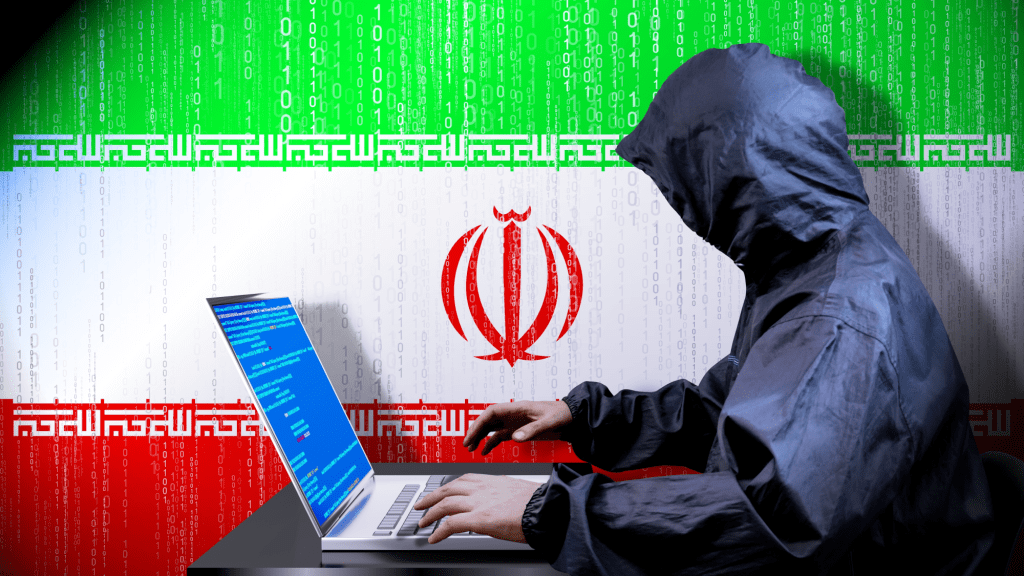
PX Media – shutterstock.com
In what has been described as a significant cyber breach, hackers reportedly accessed sensitive data from Iranwire, a prominent exile news portal, according to statements made by the Iranian judiciary. The breach is concerning not only for the organization but also raises alarms about the security of information in the digital age. The Iranian news agency Misan, which acts as a mouthpiece for the judiciary, revealed that a considerable amount of data was seized during the intrusion, including correspondence, lists of employees and informants, as well as classified documents. This type of hack underscores the increasing risks faced by organizations that operate in politically sensitive environments.
Iranwire, known for its in-depth reporting on Iranian affairs and often serving as a voice for dissenting opinions outside of Iran, was reported to be inaccessible on the day of the breach. Initially, users attempting to access the site encountered a message indicating, “We are currently performing scheduled maintenance. We will be back online as soon as possible.” However, despite the website’s temporary downtime, Iranwire remained active on social media platforms such as X (formerly Twitter), where they continued to provide news updates without mentioning any cyber attack. This resilience highlights the complex dynamics of digital media and information sharing in the midst of potential threats.
Misan’s coverage identified the hacker group “Handala” as the likely perpetrators of the cyber attack on Iranwire. This group has gained infamy for its previous cyber operations that specifically target high-profile individuals and organizations. Just days prior to the Iranwire breach, Handala reportedly executed a cyber assault on Kash Patel, the Director of the Federal Bureau of Investigation (FBI). Such recent activities by the group amplify concerns regarding a growing trend of cyber warfare and hacking aimed at politically motivated targets. The implications of these attacks stretch far beyond just data theft; they pose a broader question about digital security, privacy, and the capabilities of hackers operating within a global landscape.
The wave of cyber attacks attributed to groups like Handala reflects the ongoing battle between governments, organizations, and hackers. As technology evolves, so too does the sophistication of attacks and the responses to these threats. For instance, the targeted nature of Handala’s operations raises queries about the resources and intelligence available to them. Analysts suggest that their activities may be informed by insights into the vulnerabilities of their targets, suggesting a calculated approach to cyber warfare.
This incident at Iranwire highlights the precarious nature of journalistic institutions, especially those focused on irrefutable truths and human rights issues. As efforts to censor and silence dissent grow, the need for fortified cybersecurity measures becomes even more pronounced. Media organizations, particularly those documenting human rights violations and political dissent, often find themselves on the front lines of cyber warfare. As such, investment in cybersecurity is not merely a technical requirement; it is a core component of their operational strategy. The challenge becomes increasingly critical as hackers employ evolving tactics, making it difficult for organizations to stay one step ahead.
Furthermore, the repercussions of such data breaches can be extensive. For the journalists and staff at Iranwire, the loss of private communications and sensitive information may lead to severe consequences, ranging from harassment to legal repercussions from repressive regimes. Additionally, informants whose identities were compromised could face life-threatening situations, particularly in the context of the Iranian government’s track record regarding dissenters.
As the international community continues to grapple with the implications of these incidents, it becomes imperative to foster a collaborative effort to enhance the digital security of vulnerable organizations. Promoting global standards, sharing best practices, and providing resources for bolstering cybersecurity are vital components of a collective response to an increasingly hostile digital environment.
In conclusion, the cyber attack on Iranwire is not just another statistic in the ever-growing list of data breaches; it is a reminder of the fragility of digital communication in politically charged contexts. The actions of groups like Handala reflect a broader narrative of the challenges faced by those who seek the truth in environments fraught with risk, pointing to the urgent need for more substantial protective measures and international cooperation in the field of cybersecurity.