
Cybersecurity Alert: The Rise of ArmorSteal Malware Through Phishing Tactics
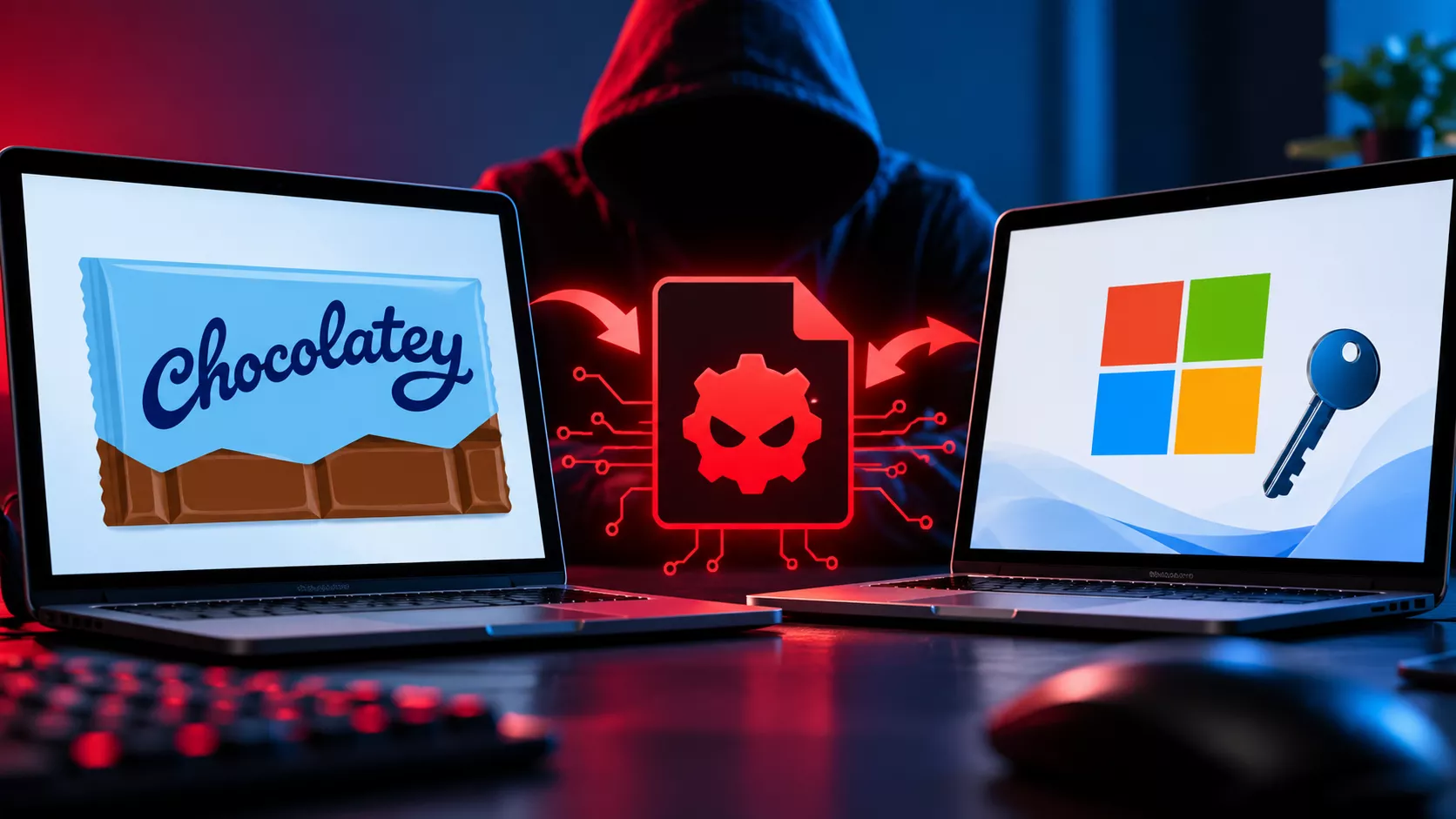
In the ever-evolving landscape of cyber threats, the emergence of ArmorSteal, a sophisticated Python-based malware family, has raised alarms among cybersecurity experts. Recent investigations revealed that hackers are distributing this insidious malware via counterfeit websites mimicking reputable platforms like Chocolatey and Microsoft Activation Scripts, employing search engine poisoning techniques to attract unsuspecting users.
This malware is particularly nefarious due to its multi-faceted capabilities, which include remote access, surveillance, and information theft. It is designed to quietly infiltrate user systems, capturing sensitive data such as passwords, browser cookies, authentication tokens, and even information related to cryptocurrency wallets. The implications of such data breaches are monumental, particularly for users who may unknowingly succumb to these fraudulent schemes.
The campaign was first identified by Zscaler’s Threat Hunting team in September 2026, with their comprehensive findings published on October 22. The operation exploits users searching for installation commands, transforming a simple software setup into a pathway for infection. This strategic manipulation underscores the calculated nature of modern cybercriminals, who take advantage of the routines and expectations of everyday internet users.
Deceptive Domains and Malicious Downloads
Among the tactics deployed by the cybercriminals are the use of typosquatted domains. One notable example is the domain choclatey[.]org, crafted to deceptively resemble the legitimate Chocolatey website. Visitors to this fraudulent site are presented with a malicious PowerShell installation command. The execution of this command triggers the deployment of ArmorSteal while simultaneously running the genuine Chocolatey installer, thus minimizing visible indicators of compromise. This dual mechanism effectively reduces the chance of detection, making it easier for the malware to embed itself in the system unnoticed.
Another domain involved in this scheme, massgravel[.]net, masquerades as the Microsoft Activation Scripts project. Shared components and an identical RSA-2048 task-signing key link both distribution channels, indicating that they are part of a cohesive operation aimed at propagating this malware.
Both installers require elevated privileges, which is a common tactic used by malware to circumvent user permissions and achieve deeper access to the operating system. The malware files are stealthily downloaded into a directory labeled C:\Windows\SystemHealth\Update, containing Python 3.11, runtime files for Pyarmor, and other malicious scripts fortified against detection.
Establishing Persistence and Remote Access
To ensure its longevity within infected systems, ArmorSteal incorporates two scheduled tasks. One of these, referred to as SysCheck2, launches the remote access module upon user logon, while another, SysCheckX, runs it as a SYSTEM-level process after a brief delay. This meticulous setup illustrates the sophistication of the malware, engineered to persist despite routine user activity or system reboots.
The remote access module, known as SysMon.py, operates by profiling affected systems. It generates a unique identifier based on the motherboard’s serial number and communicates with command-and-control servers every minute to download victim-specific threats. It employs stringent verification protocols before executing tasks to avoid re-running previous instructions, showcasing an advanced level of operational security.
To further obfuscate its activities, ArmorSteal consults ipinfo[.]io to determine public IP ownership. If it detects the organization associated with selected cloud providers, it delivers a false memory error and exits silently, further avoiding detection and analysis by cybersecurity professionals.
Surveillance and Data Theft Capabilities
The surveillance module, basrq.py, is particularly alarming due to its extensive capability to log keystrokes, capture window titles, monitor clipboard contents, and replace cryptocurrency addresses with those controlled by the attackers. It can also trigger keyword-based screenshots, effectively allowing attackers to surveil user activities in real-time.
On the theft front, the got.py module targets a wide array of sensitive information, including browser-stored passwords, autofill records, credit card details, SSH keys, and data from password managers. It further validates tokens for 22 variants of the popular Discord client and retrieves information from 21 wallet extensions and desktop applications, painting a concerning picture of the potential data exposure.
According to Zscaler, browser cookies can be extracted via the Chrome DevTools Protocol, while additional routines are deployed to search local drives for BIP39 recovery phrases, which are common in cryptocurrency wallets.
Conclusion and Recommendations for Defenders
Though the fraudulent sites distributing ArmorSteal have currently gone offline, the operators have been observed transitioning their infrastructure to domains like pymons[.]is and datamons[.]org. It is imperative for cybersecurity professionals to remain vigilant, investigating any suspicious scheduled tasks, closely inspecting the SystemHealth directory, reviewing PowerShell downloads, and monitoring remote-debugging activities in web browsers.
To mitigate the risks posed by this sophisticated malware, organizations should promptly remove any unauthorized exclusions in Microsoft Defender and educate their users about the dangers of phishing tactics and deceptive domains. As this malware campaign illustrates, cybercriminals are leveraging increasingly sophisticated methods; thus, proactive vigilance is vital in the ongoing battle against cyber threats.
Through collaborative efforts in threat intelligence sharing and user education, the broader cybersecurity community can enhance defenses against malware like ArmorSteal, protecting sensitive information from falling into malicious hands.