


The Rising Threat of Infostealer Malware: A New Era in Cybercrime
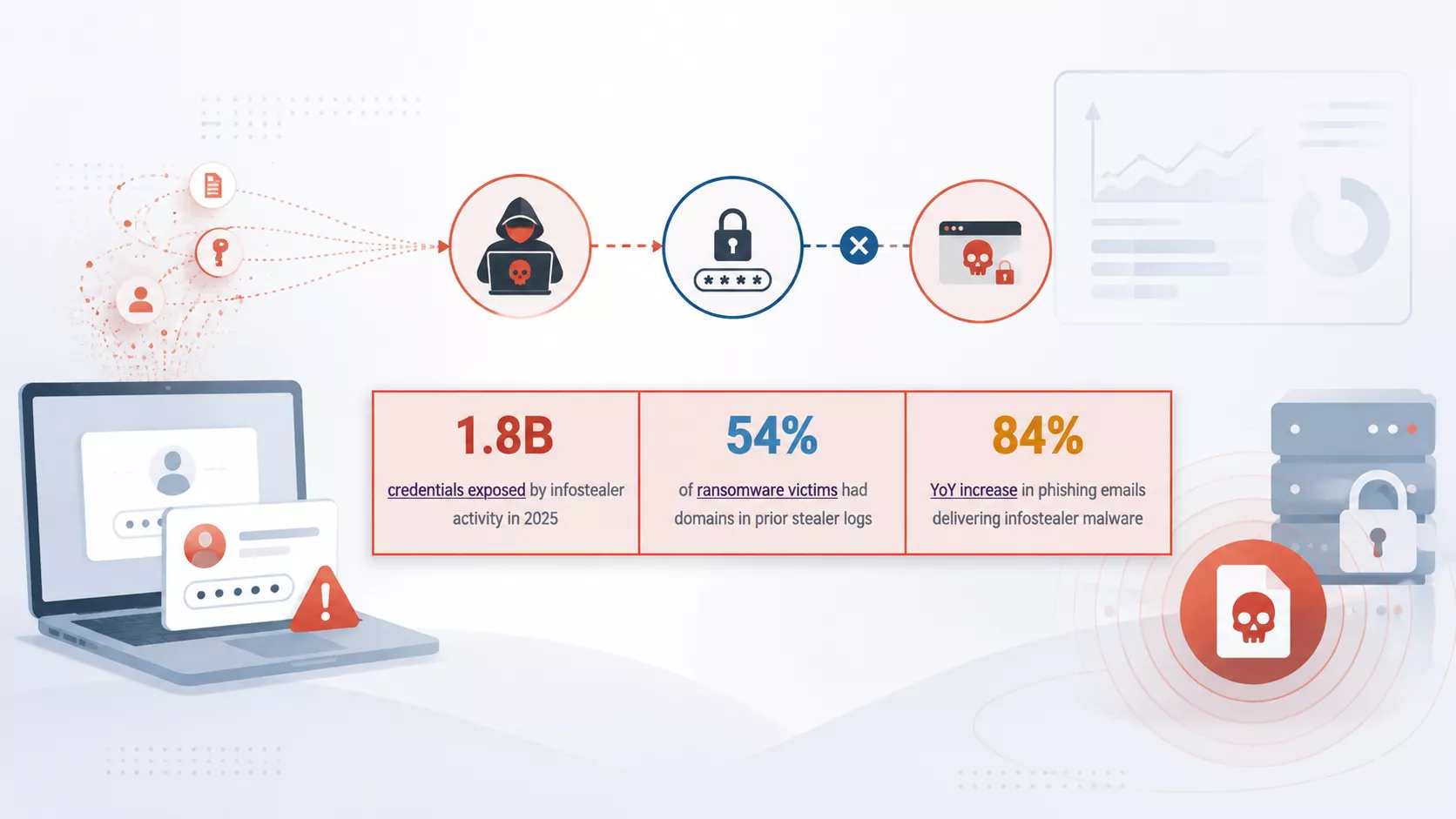
Infostealer malware has emerged as a pivotal element in the increasingly intricate world of cybercrime, serving as a conduit between minor credential theft and extensive ransomware operations. In recent analyses, it has been noted that these stealthy cyber threats enable attackers to bypass traditional security defenses. Rather than attempting to breach firewalls directly, threats have been innovatively restructured; infostealers effectively unlock doors allowing attackers direct access to sensitive data.
In a comprehensive report by DarkOwl, it has come to light that infostealers function discreetly, generating a stealer log that meticulously collects browser-stored passwords, session cookies, cryptocurrency wallet details, and comprehensive system fingerprints, all without alerting the unsuspecting user. This silent operation distinguishes infostealers from ransomware, which typically announces its presence through encrypted files and ransom demands. In contrast, infostealers allow the compromised device to operate as normal while continuously siphoning data to servers controlled by cybercriminals.
The Malicious Mechanism: How Infostealers Operate
The extracted logs play a crucial role in the cybercrime ecosystem, providing raw materials for further malicious activities. These logs are aggregated and subsequently resold by initial access brokers, intermediaries who specialize in supplying stolen credentials seamlessly to ransomware affiliates. This transaction facilitates a more streamlined method for cybercriminals to launch attacks, significantly intensifying the risks to organizations.
A particularly dangerous aspect contained within a stealer log is not merely the password but rather the active session cookie. When a user authenticates via Multi-Factor Authentication (MFA) on a platform, the application generates a token that confirms user verification. This token often retains its validity until users explicitly log out or until a predetermined expiration. Criminals recognize the value of this session cookie; by importing it into their own browsers, they can mimic the authenticated state entirely. This allows them to access accounts without requiring passwords or new MFA prompts, a process that DarkOwl refers to as session hijacking.
DarkOwl’s research identifies session hijacking as one of at least six methods cybercriminals utilize to undermine MFA protections. Alongside techniques like push bombing and adversary-in-the-middle phishing, it becomes clear that the cyber landscape is evolving, necessitating an equally agile response from organizations.
Given the transient nature of stolen tokens, implementing shorter session lifetimes and maintaining vigilant monitoring for tokens appearing in criminal marketplaces are among the few strategies available to combat this rising threat effectively.
Alarming Trends in Credential Theft
The findings from Verizon’s 2025 Data Breach Investigations Report reveal alarming statistics: 88% of web application breaches were associated with the use of stolen credentials, a significant portion of which originated from infostealer logs. These logs are often weaponized in credential-stuffing campaigns against corporate Single Sign-On (SSO) portals and cloud services.
Initial access brokers meticulously sort through vast log collections targeting corporate VPN credentials, SSO tokens, and domain administrator access, reselling valuable logs at premium prices to ransomware operators. This allows the cybercriminals to directly infiltrate target networks, circumventing perimeter defenses with shocking ease.
Underground Markets and the Scale of Data
The operational template for this malicious distribution has been formalized through the creation of “Underground Clouds of Logs.” These vast searchable databases enable criminals to locate victims based on various criteria, such as geographic location or specific applications. Consequently, the time from infection to exploitation is radically reduced, escalating the threat landscape.
Recent reports indicate that, in June 2026 alone, an astounding collection of stealer logs containing 124 million unique passwords was found circulating in these underground channels, exemplifying the threatening scale of this data movement.
DarkOwl also highlights that newer distribution platforms like Telegram groups are acting as alternatives to traditional dark web forums, making the acquisition of stolen credentials and cookies more accessible to less experienced cybercriminals.
Ongoing Risks and Recommendations
Because the validity of stolen credentials and cookies is often indefinite until explicitly revoked, organizations continue to face risks long after the initial breaches, compounding their vulnerabilities. Experts emphasize that proper remediation strategies dictated by incident responders require access to be revoked and active sessions terminated before any password resets. This is crucial since a password change does little to thwart an attacker who still possesses an active session token.
As MFA adoption becomes near-ubiquitous across organizations, the focus on combating threats must shift. Stolen session cookies, rather than merely stolen passwords, have effectively become the primary mechanism through which ransomware affiliates intrude into corporate infrastructure undetected.
In summary, as infostealer malware continues to adapt and evolve, organizations must keep pace with innovative defenses. Failing to recognize the full scope of the threat posed by infostealers could lead to significant operational disruptions and financial loss in today’s increasingly digital landscape.