
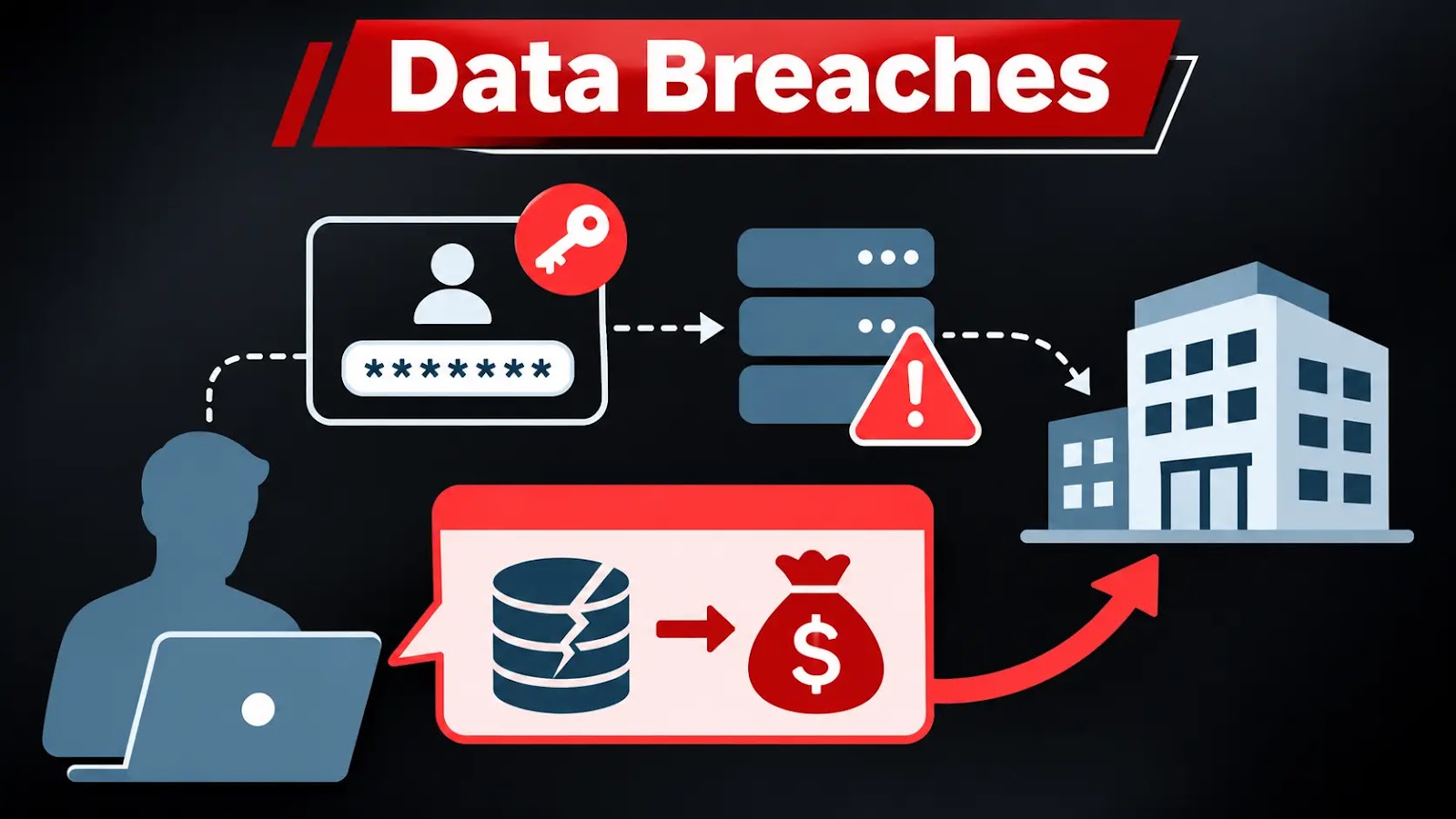
Cybersecurity Alerts: Hackers Exploit Exposed Credentials to Manipulate Corporations
Recent investigative findings reveal a troubling trend in cyberattacks, as hackers have begun utilizing exposed credentials to infiltrate limited corporate data. Subsequently, these attackers aim to leverage this access to present it as evidence of significant data breaches, effectively pressuring businesses into paying hefty ransoms. This phenomenon highlights pressing vulnerabilities in organizational cybersecurity protocols and demonstrates the evolving tactics employed by cybercriminals.
The focus of these revelations lies in the activities of external attackers targeting third-party entities rather than pointing to a compromise of ReliaQuest’s own environment. This distinction is crucial; researchers assert that the mere existence of authentic leaked records does not inherently confirm the extensive network intrusions that extortion groups often allege.
This malicious activity was first noted in July of 2026 when a group known as ExfilSquad released JSON data samples that contained a range of employee information. These data samples included employee names, aliases, identifiers, email addresses, telephone numbers, and workplace locations. While the samples provided insights into certain employees, they also revealed empty fields and general customer relationship management information. Following a comprehensive assessment, ReliaQuest concluded that the disclosed material did not substantiate any claims of broader network breaches or tenant compromises.
Cybersecurity experts believe that ExfilSquad likely searches platforms like GitHub for exposed credentials, subsequently retrieving any information that these accounts afford to access. This means that while the existence of such data may seem alarming, it does not automatically imply a widespread or methodical intrusion. Researchers caution that this assessment remains a strong hypothesis, lacking definitive confirmation of each individual incident the group claims.
ExfilSquad’s website further complicates matters, as it claims to expose companies that "fail to meet an agreement" with the group. This claims to be a method of illustrating the repercussions of unpaid extortion demands. However, researchers tracking these claims have noted frequent missed publication deadlines and instances where listings appeared without corresponding sample data. While neither observation definitively proves that no compromise has occurred, both undermine the credibility of the site’s presentation of purported breaches.
The potential fallout from such activities is multifaceted. Notably, targeted phishing campaigns may be directed against exposed employees, further complicating matters for organizations already grappling with the implications of alleged breaches. Additionally, the operational costs associated with investigating these claims can strain resources, diverting focus from proactive security measures.
ReliaQuest’s Threat Research team identified the likely strategy of ExfilSquad as a significant concern. They warned that ransomware-style leak sites often exaggerate the extent of breaches while providing little substantiation for the scale of the intrusions they imply. Organizations must learn to differentiate genuine credential abuses from unsupported claims of extensive data theft, a distinction that becomes increasingly blurred in the current landscape.
The report also delineates a broader distortion in how ransomware incidents are reported. During the third quarter of 2026, organizations identified on leak sites saw an increase of 30%. Intriguingly, 43 newly identified groups accounted for an astounding 93% of that growth. Notably, the manufacturing sector experienced a 70% increase in victims named on data-leak sites, drastically reducing the footprint of previously leading sectors.
The findings underscore the challenges in accurately tracking cyber threats. Listings from groups active in previous quarters only increased marginally, raising questions about the authenticity of the claims made. Researchers advocate for a multi-faceted approach to cybersecurity, urging defenders to compare claimed breaches with organizational records, authentication telemetry, application access logs, and export activity data.
Moreover, investigators are advised to confirm whether unauthorized access has occurred, determine the extent of reachable information, and assess if evidence supports the attackers’ claims. This meticulous process is paramount in building an accurate picture of any potential breach.
Special emphasis has been placed on the significance of repository exposure, particularly in environments like GitHub, where the potential for credential leaks is high. ReliaQuest’s guidance stresses the importance of immediate credential rotation, as removing credentials from the codebase does not eliminate the risk of exploitation.
A comprehensive review of CRM and portal logs for unusual activity will serve as a critical component of any investigative effort. In addition to these proactive measures, organizations should also keep an eye on references to their names or vendors on leak sites to ensure they remain vigilant against emerging threats.
As organizations navigate this increasingly complex and perilous digital landscape, the need for rigorous security measures is paramount. A cohesive strategy that emphasizes evidence-led response is essential—prioritizing the investigation of allegations, containing verified exposures, and carefully distinguishing between threats and confirmed breaches. The emphasis should always be on proactive prevention, consistent evaluation, and readiness to respond to the dynamic nature of cyber threats.
For security teams, the central goal must remain clear: stopping cyber threats before they inflict lasting damage, thereby safeguarding critical corporate infrastructures and maintaining the trust of stakeholders.