
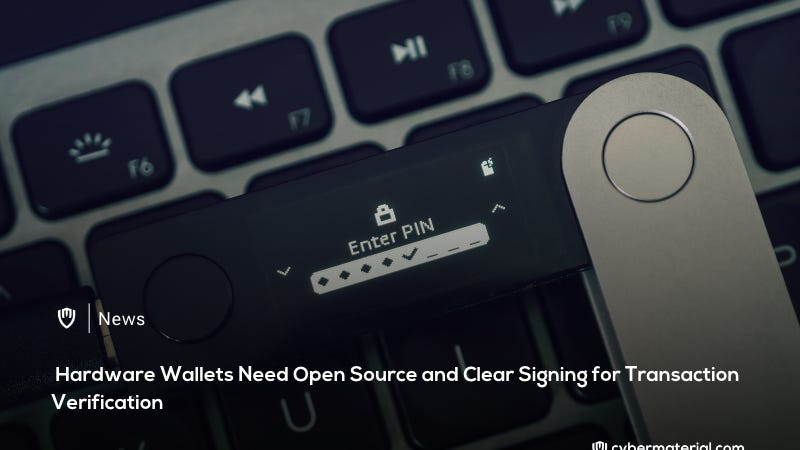


Hardware wallets play a pivotal role in the realm of cryptocurrency security by keeping private keys offline. However, security experts have sounded alarms about potential vulnerabilities, indicating that many of these devices might lack crucial features necessary for safeguarding users against advanced attacks. One of the core issues revolves around users’ ability to verify exactly what they’re signing off on before authorizing cryptocurrency transactions.
The security community outlines three fundamental criteria essential for trustworthy hardware wallets. Firstly, the presence of open-source firmware is critical. This allows independent researchers and developers to thoroughly audit the code for potential vulnerabilities or hidden backdoors. Secondly, clear signing functionality is vital. This feature ensures that complete transaction details are displayed directly on the device screen, revealing the precise address and amount involved in the transfer. Thirdly, on-device verification guarantees that what the user sees on the hardware wallet’s screen is exactly what will be sent to the blockchain network.
Alarmingly, many hardware wallets currently in use fail to meet these essential requirements effectively. This inadequacy opens up opportunities for attackers to exploit discrepancies between users’ intentions and what is actually authorized. For instance, malicious software operating on a connected computer may manipulate transaction details, directing funds to addresses controlled by attackers rather than the intended beneficiaries. When users lack clear signing visibility on their hardware device, they face substantial risks, as there’s no dependable mechanism to catch these unauthorized changes prior to approving any transaction.
The implications of these vulnerabilities extend far beyond individual users. As hardware wallets are frequently marketed as the most secure means for storing digital assets, any flaws found in these devices erode trust in the wider cryptocurrency security framework. This situation poses a significant threat; users who believe they are adhering to robust security practices may inadvertently expose themselves to the risk of lost funds due to deficiencies in their hardware wallet’s transaction verification capabilities.
Security experts are advising cryptocurrency users to exercise caution and perform thorough evaluations before investing in hardware wallets. It is essential for prospective buyers to prioritize devices that feature fully open-source firmware, comprehensive clear signing protocols, and effective on-device verification methods. Users must ensure that the transaction details shown on their hardware wallet clearly correspond with their intended actions before sanctioning any transfer of funds.
Organizations and individuals, particularly those stewarding substantial cryptocurrency holdings, should regard these features as non-negotiable attributes when selecting security hardware. The cryptocurrency landscape is still nascent, and as it matures, the importance of sound security practices cannot be understated. Adoption of hardware wallets lacking essential security attributes only serves to expose users to unnecessary risks.
Moreover, the broader cryptocurrency ecosystem may suffer as the ripple effects of vulnerabilities in supposedly secure hardware wallets permeate public perception. When users experience losses, confidence in digital currencies diminishes, hampering the growth and acceptance of the cryptocurrency sector at large. This deters new investors and perpetuates skepticism regarding the reliability of digital asset management.
Consequently, it is paramount for users to be vigilant and proactive in safeguarding their digital assets. As the threat landscape evolves—with increasingly sophisticated attacks targeting cryptocurrency holders—adopting the latest security measures will stand as a cornerstone for their digital asset protection strategy.
In conclusion, while hardware wallets are indispensable tools for cryptocurrency enthusiasts, their efficacy is contingent upon the incorporation of robust security features. The need for open-source firmware, clear signing, and on-device verification cannot be overstated. Only through educated purchases and diligent management can users effectively protect their investments and contribute to a healthier, more secure cryptocurrency ecosystem.
Source: HackRead