
Artificial Intelligence & Machine Learning,
Next-Generation Technologies & Secure Development
AI, Robotics Leaders Warn Chinese Robots Could Disrupt Sensitive Operations
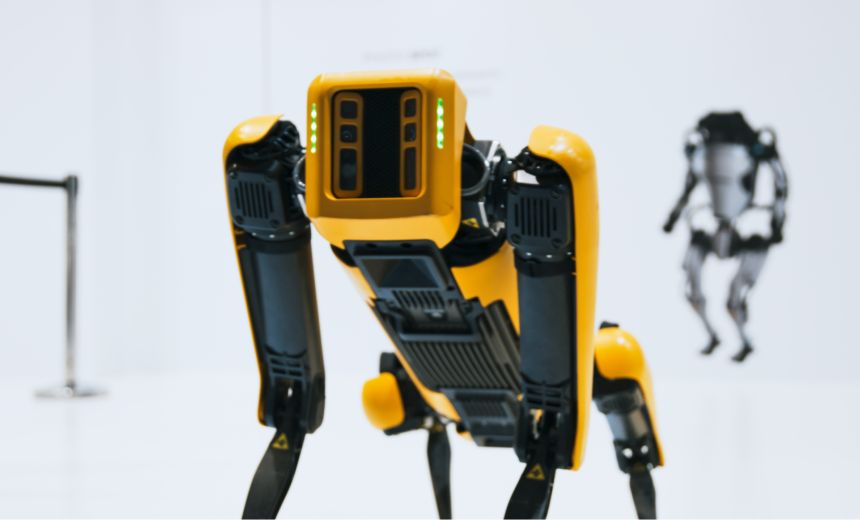
During a recent session, leaders in the fields of artificial intelligence and robotics expressed serious concerns to U.S. lawmakers regarding the implications of robots developed in China. They outlined that these technologically advanced robots have capabilities that extend beyond traditional cyberattacks, combining data collection, network connectivity, and real-world operational functions. This combination could potentially allow for surveillance activities, possible operational disruptions, and even physical harm to critical infrastructure and sensitive operations.
The alarming alerts emerged during a House Homeland Security subcommittee hearing focusing on the national security risks posed by AI-enabled robotic systems produced by companies associated with the Chinese mainland. Industry representatives cautioned that deployments of such systems are rapidly increasing across various sectors, including logistics, manufacturing, energy, and public safety. They emphasized that this trend places critical operational systems and economically vital sectors at significant risk, rendering them vulnerable to malicious activities.
In recent years, Beijing has heavily invested in the development of AI robotics, implementing a strategic industrial approach that integrates national planning, subsidies, and collaborations between military and civilian sectors. This strategy aims to accelerate both domestic adoption of robotics technologies and expand China’s market share on the global stage. As documented in various reports, these efforts have sparked concerns that China is outpacing the United States in significant technology research investments.
Panel witnesses highlighted several initiatives, such as “Made in China 2025,” which is backed by state-funded investments in robotics, demonstrating a deliberate effort to gain dominance over the hardware and data segments of emerging AI systems. Michael Robbins, the CEO of the Association for Uncrewed Vehicle Systems International, remarked that the People’s Republic of China (PRC) is systematically introducing subsidized robotic platforms into the global market to undermine the U.S. robotics sector. He warned that this approach could lead to a technological and industrial dependency on Chinese innovation, embedding vulnerabilities within critical U.S. infrastructure.
Testimonies from the hearing pointed to three primary concerns regarding AI-enabled robotics. These included the risk of sensitive data exposure due to data collected by robotic systems, the potential for unauthorized remote access or manipulation, and the longevity of such vulnerabilities through software updates and cloud-based management. Given that many robotic systems rely on consistent connectivity, witnesses warned that these risks can persist throughout the lifecycle of the technologies, presenting constant threats to national security.
Matthew Malchano, who serves as the vice president of software for Boston Dynamics, emphasized that employing foreign advanced robotics in critical sectors presents substantial risks regarding interference and denial of service. He mentioned recent exhibitions of Chinese-made robots, depicting them engaged in military training, highlighting the urgency of maintaining U.S. superiority in robotic technology.
Panel experts underscored that the intricate connectivity of modern robotics systems allows for a broad attack surface, providing potential channels for unauthorized control or access. As these systems continuously gather and relay data, the combination of connectivity and autonomy significantly magnifies the security vulnerabilities inherent to such technologies. The discussion emphasized the necessity of decoupling foreign-developed robotics from U.S. supply chains and critical infrastructure. Experts acknowledged that while this disentanglement is a complex process requiring significant time and resources, it remains vital for enhancing protections for sensitive operational systems.
Max Fenkell, the global head of policy and government relations for Scale AI, conveyed to lawmakers that there exists a critical disparity in focus between the United States and China. While the U.S. government aims for technological advancement, China is pursuing a strategy centered around effective implementation and global diffusion of its technologies. Without a heightened emphasis on the practical deployment of AI and robotics within the U.S., there is a tangible risk that the nation may fall behind in these essential domains.
In summary, Rush Doshi, an assistant professor specializing in security studies at Georgetown University, stated that China currently stands as a leading force in industrial robotics by various measures, evidenced by its dominance in global AI-driven robotics patent filings. Doshi urged lawmakers to pass legislation prohibiting federal agencies and contractors from procuring robotic systems or AI models derived from companies bound by PRC national security laws, highlighting the need for immediate action to mitigate potential threats to national security.