


Artificial Intelligence & Machine Learning,
Events,
Next-Generation Technologies & Secure Development
Insights from Meerah Rajavel of Palo Alto Networks on AI Security, Governance, and Use-Case Fit
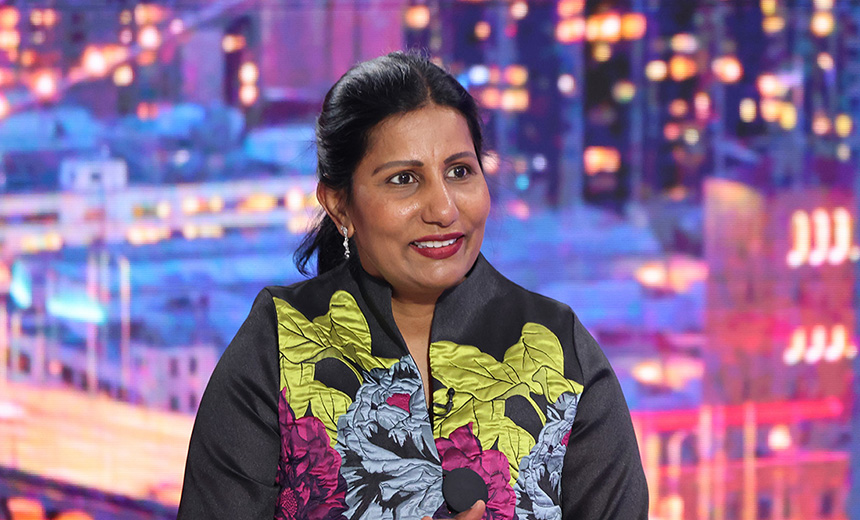
The rapid advancement of artificial intelligence (AI) technologies is outpacing the capabilities of existing governance frameworks, a trend that is generating considerable challenges for security leaders in the industry. Meerah Rajavel, the Chief Information Officer at Palo Alto Networks, articulated this challenge during a recent conversation at the RSAC Conference 2026. She emphasized that the accelerated pace of model, agent, and startup launches necessitates adaptable guardrails and frameworks to ensure security in the AI deployment process.
Rajavel remarked that traditional, rigid mandates are becoming increasingly inadequate in the face of such swift technological change. “Enterprises need to establish guardrails and frameworks that can keep up with the speed of AI innovation,” she stated. This calls for a proactive approach to security, which should be regarded not merely as an afterthought but as a fundamental requirement from the inception of any AI initiative.
During her discussion, Rajavel stressed the necessity for organizations to have a clear understanding of their use-case selection concerning security. “Practitioners must treat security as a core requirement,” she asserted, highlighting the need to differentiate between scenarios where probabilistic outputs are acceptable versus those demanding deterministic results. This clarity will enable organizations to effectively tailor their security protocols to suit their specific AI applications.
“If you are not thinking about security, don’t do AI,” Rajavel cautioned. She explained that the phenomenal range of outcomes that AI can produce means that organizations must prioritize real-time security measures. The implications of neglecting security can be profound, as the rapid evolution of AI might lead to unforeseen vulnerabilities that could compromise sensitive data and critical processes.
In her video interview, Rajavel also tackled a variety of pivotal topics regarding the intersection of AI and software engineering. She noted that AI is reshaping the landscape of software development, with human oversight playing a crucial role in guiding design and production decisions. This human-AI collaboration is critical in ensuring that software not only meets functional requirements but also adheres to best practices in security and governance.
Moreover, Rajavel explored the ways workflow automation can add significant value within organizations, a benefit that is particularly evident when robust data fit and efficient process redesign are implemented. She argued that organizations should leverage AI to enhance their operational frameworks, thereby increasing efficiency and streamlining processes.
Additionally, Rajavel emphasized the importance of contextual data in improving AI decision-making capabilities. By utilizing contextual information, organizations can significantly enhance the accuracy of AI outcomes, thereby fostering a more intelligent and responsive decision-making environment.
As CIO, Meerah Rajavel is tasked with overseeing Palo Alto Networks’ global information technology functions. She is responsible for driving a comprehensive strategy aimed at scaling and delivering innovative solutions to teams worldwide. Before joining Palo Alto Networks, Rajavel held the position of CIO at Citrix and has extensive leadership experience from her roles at various high-profile companies, including McAfee, Forcepoint, Cisco, and Infosys.
This discussion on AI governance and security underscores the pressing need for organizations to reassess their approaches in the context of rapidly evolving technologies. The insights offered by Rajavel serve as a clarion call for enterprises to prioritize security as they embark on AI initiatives, ensuring that as they capitalize on technological advancements, they do so with a robust framework that protects against potential threats.