
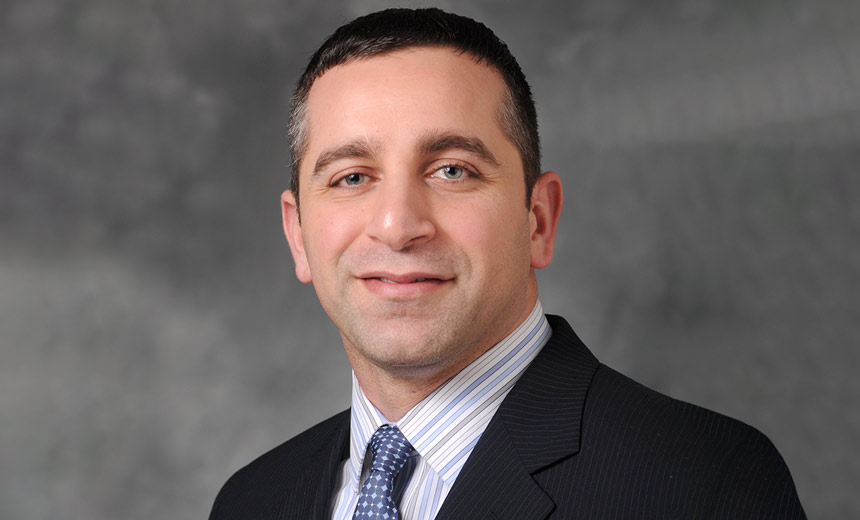


Preparing Healthcare for a Post-Quantum Future: Insights from Ali Youssef
As the dawn of post-quantum computing approaches, many healthcare organizations remain unprepared, neglecting to devise strategies for this transformative technology. This procrastination could prove detrimental, according to Ali Youssef, the director of emerging tech security at Henry Ford Health. His insights, shared during an interview with Information Security Media Group at the Healthcare Information Management and Systems Society (HIMSS) 2026 conference in Las Vegas, raise critical concerns about the implications of quantum computing on healthcare security and privacy.
Youssef emphasized the urgent need for healthcare institutions to begin preparations for post-quantum cryptography. "From a post-quantum cryptography standpoint, this is the right time to start preparing and developing programs," he asserted. He noted that the process of understanding and adapting existing cryptographic systems could take years, highlighting the importance of timely action. "We may spend several years to actually get our arms around how we are using cryptography today," he added, underlining the complexity involved in this transition.
One significant aspect of this challenge stems from the prevalence of legacy devices in healthcare settings. Youssef pointed out that many healthcare technologies are outdated and may not incorporate modern cryptographic protocols. "Understanding in-depth how cryptography is used and coming up with a plan to be prepared for the future when these computers do emerge at a large scale," is critical, he advised. This is particularly true in healthcare, where the stakes are high due to the sensitive nature of patient information.
The risks linked to post-quantum computing in healthcare are multifaceted, encompassing privacy, security, and regulatory challenges. Youssef raised alarms over the possibility of data breaches, noting, "In healthcare, where we have to retain information for long periods of time, I think there’s this notion of ‘capture the data and decrypt it later’—that’s very concerning from a HIPAA standpoint." He described cryptography as an "invisible enemy," stressing that its vulnerabilities often go unnoticed until significant issues arise.
In addition to discussing the urgent need for a strategic approach to post-quantum computing, Youssef also outlined practical steps that healthcare organizations can take to launch their post-quantum plans. He recommended compiling a cryptography bill of materials and assessing current systems to identify vulnerabilities. This foundational work is crucial in understanding existing cryptographic practices and developing robust strategies to mitigate risks posed by quantum computing.
Furthermore, Youssef identified specific healthcare IT systems and devices that are most at risk in a post-quantum landscape. These include systems reliant on digital certificates, which are vulnerable to attacks from quantum computers. As these machines become more prevalent, the capacity of conventional encryption methods could be severely compromised, necessitating immediate attention from healthcare organizations.
Youssef also shared insights regarding how Henry Ford Health is proactively addressing post-quantum risks. He highlighted the organization’s forward-thinking approach and willingness to adapt as the technological landscape evolves. By integrating risk assessments and developing a comprehensive understanding of potential vulnerabilities, healthcare institutions can better position themselves to face the challenges of post-quantum computing.
In addition to cryptography, Youssef expressed keen interest in the role of artificial intelligence in security. He underscored the need for vigilance regarding AI developments that could either bolster security or exacerbate post-quantum risks. As AI becomes increasingly intertwined with healthcare technologies, its impact could reshape the landscape of cybersecurity in profound ways.
With a quarter-century of experience in biomedical engineering and healthcare IT, Youssef is no stranger to the complexities of healthcare technologies. His expertise extends to mobility and medical device security, having co-authored the book "Wi-Fi Enabled Healthcare" in 2014. As a HIMSS Fellow and an active member of various professional associations, including the AAMI Healthcare Technology Leadership Committee, Youssef is well-positioned to advocate for vital changes in how the healthcare sector addresses emerging technological challenges.
In conclusion, the insights shared by Ali Youssef illuminate the pressing need for healthcare organizations to take proactive measures in preparing for a post-quantum future. As the technology landscape evolves, embracing strategic foresight in cryptography and cybersecurity will be crucial in safeguarding patient information and ensuring compliance with regulatory standards. The time to act is now, as the implications of quantum computing could redefine the healthcare security paradigm.