
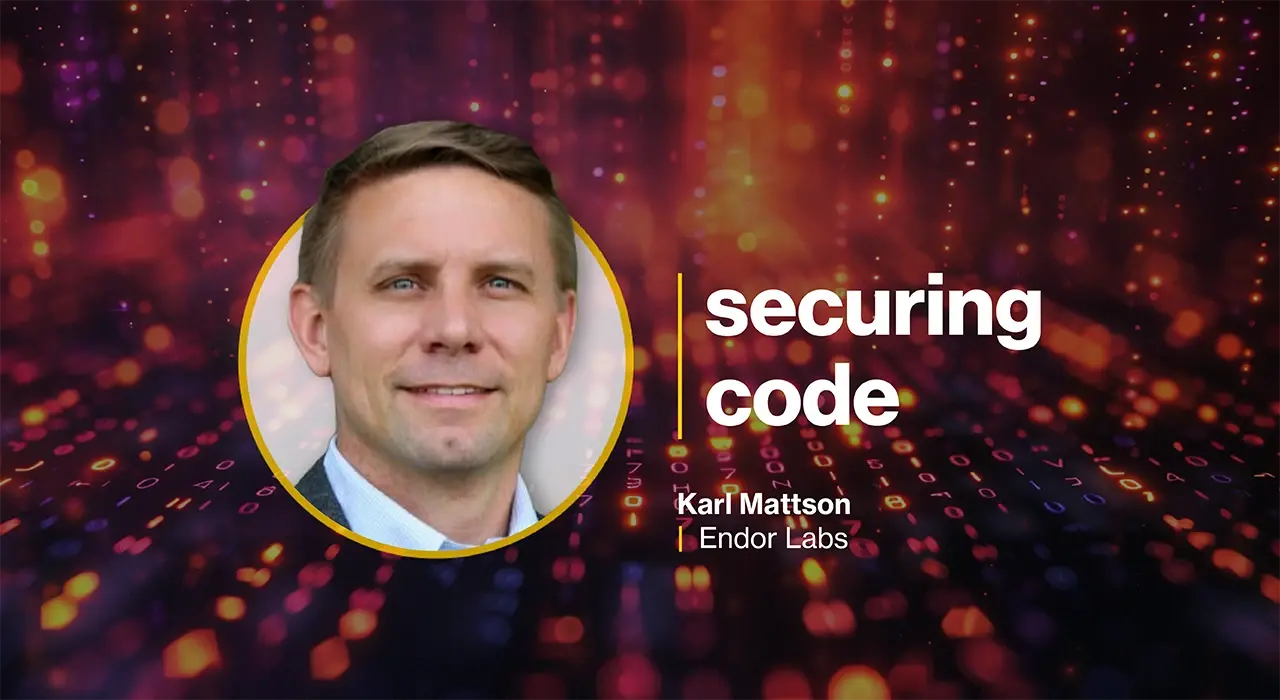
In an exclusive interview with Help Net Security, Karl Mattson, the Chief Information Security Officer (CISO) at Endor Labs, shared insights on strategies for improving secure software development practices.
Mattson delved into various aspects, including addressing vulnerabilities in complex systems, enhancing support for secure coding practices within organizations, and the role of programming languages and frameworks in promoting secure development.
When it comes to addressing hidden vulnerabilities stemming from the increasing complexity of modern software systems, developers can leverage new strategies that offer better source code security and reduce barriers to handling scale and complexity. Mattson emphasized the importance of integrating security capabilities into developers’ existing tools, such as IDEs and code repositories, to streamline the identification and remediation of vulnerabilities. By providing developers with precise and actionable findings, organizations can significantly decrease the time and effort required to address security issues, thereby enhancing their capacity to manage complexity effectively.
Furthermore, Mattson highlighted the significance of supporting development teams in adhering to secure coding guidelines. He emphasized the diversity of backgrounds and experiences among developers, underscoring the need for organizations to cater to varying learning styles and knowledge levels when implementing secure development practices. By fostering a culture of continuous learning and providing adequate resources for skill development, organizations can empower developers to enhance their secure coding proficiency over time.
In decentralized or remote work environments, organizations can establish security champions programs to leverage the expertise of high-skilled developers in spreading secure coding knowledge across teams. These programs play a crucial role in promoting a security-conscious culture within remote teams, where face-to-face interactions with security professionals may be limited. Additionally, activities like security hackathons can serve as team-building exercises that facilitate collaboration and skill enhancement among remote development teams.
When it comes to selecting programming languages and frameworks for secure development, Mattson highlighted the benefits of newer languages like Rust and Go, which incorporate security-first principles such as memory safety. He also pointed out the advantages of frameworks like Django, which offer built-in protections against common security vulnerabilities like SQL injection and cross-site scripting. While the choice of language and framework can impact the security of a software product to some extent, Mattson emphasized the importance of strong community support in maintaining and enhancing security features over time.
Overall, the insights shared by Karl Mattson underscore the importance of empowering developers, fostering a culture of continuous learning, and leveraging effective strategies to enhance secure software development practices within organizations. By prioritizing security throughout the development lifecycle and implementing robust measures to support secure coding, organizations can mitigate risks and bolster their cybersecurity posture in an evolving threat landscape.