
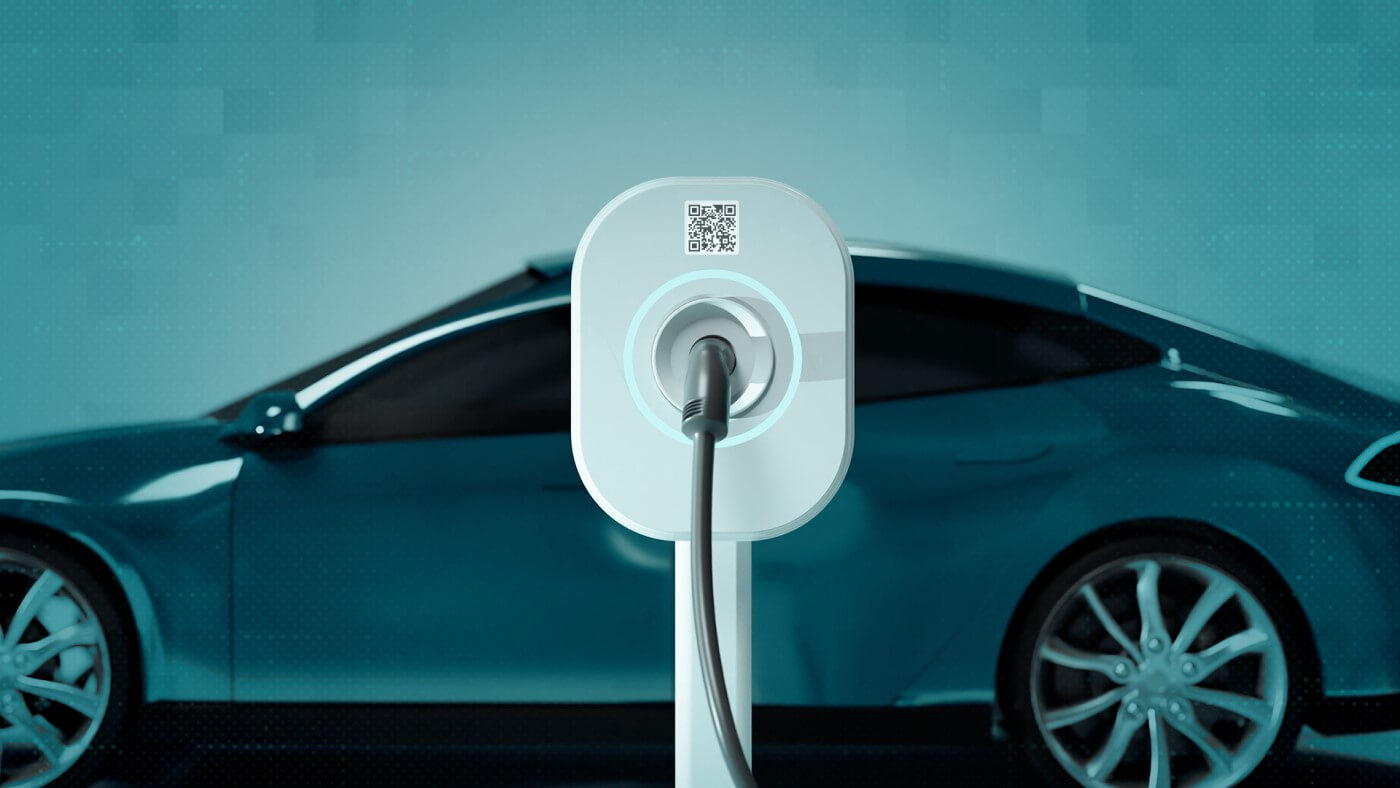


Criminal elements are continuously evolving their tactics to target unsuspecting victims, and the latest scheme involves a hybrid approach of physical and digital threats aimed at electric car owners. With the rising popularity of electric vehicles (EVs) across the globe, fraudsters are now leveraging QR code phishing techniques, known as “quishing,” to compromise drivers’ payment information.
The proliferation of EVs has provided scammers with a new avenue to exploit, with reports emerging from various countries in Europe detailing incidents of malicious QR codes being affixed to legitimate ones at public charging stations. The modus operandi is simple yet effective: when unsuspecting EV owners scan the fake QR code, they are redirected to a counterfeit website that prompts them to input their payment details. These sensitive credentials are then harvested by the perpetrators, paving the way for financial fraud and identity theft.
The sophistication of this scam lies in its ability to capitalize on the trust placed in QR codes by consumers, especially amidst the surge in their usage during the COVID-19 pandemic for contactless interactions. By camouflaging malicious codes with legitimate ones at charging stations, fraudsters exploit the inherent trust drivers have in the convenience of scanning QR codes to streamline transactions. Moreover, the utilization of signal jamming technology to impede victims from accessing charging apps further underscores the meticulous planning behind these attacks.
The prevalence of over 600,000 EV charging points across Europe provides scammers with a vast pool of potential targets, as inexperienced EV owners may be more susceptible to falling victim to such scams. The convenience and expediency of scanning a QR code, coupled with the fatigue of managing multiple charging apps from various vendors, create an opportune environment for fraudsters to prey on unsuspecting drivers.
Despite the alarming rise in quishing incidents targeting EV owners, there are proactive measures that individuals can take to safeguard themselves against such threats. Vigilance in scrutinizing QR codes, utilizing official charging apps or direct phone calls for transactions, and exercising caution when encountering suspicious websites are key steps to mitigate the risk of falling prey to phishing scams. Additionally, enabling two-factor authentication on all accounts, installing reputable security software on mobile devices, and promptly reporting any fraudulent activity to financial institutions are essential practices in combating cyber fraud.
The convergence of physical and digital threats in the form of QR code phishing represents a growing menace to consumers, necessitating heightened awareness and caution when engaging with unfamiliar codes in public spaces. As authorities and cybersecurity experts continue to combat evolving fraud schemes, staying informed and proactive remain crucial in safeguarding personal information and financial assets from malicious actors. By adhering to best practices and remaining vigilant, individuals can mitigate the risks associated with QR quishing scams and protect themselves from falling victim to financial fraud.