
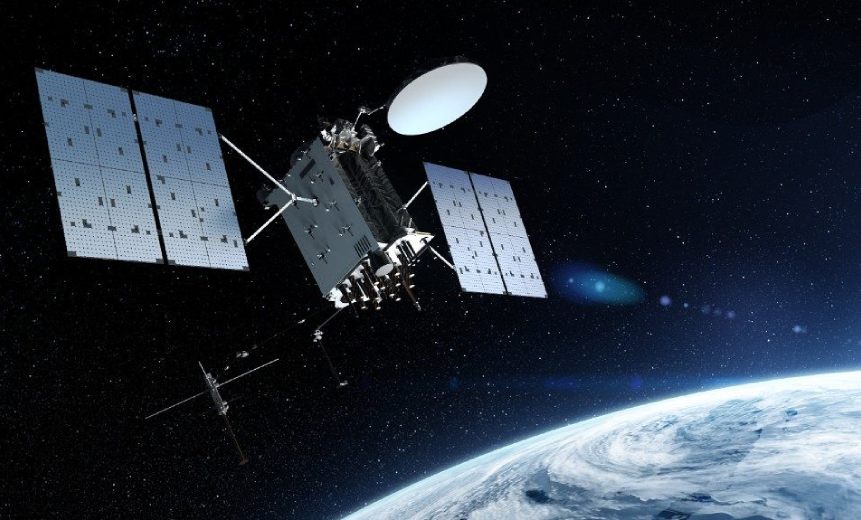


A new report has shed light on the ongoing delays and deficiencies in the U.S. Department of Defense’s efforts to modernize the Global Positioning System (GPS) with a more secure signal known as M-code. The report, published by the Government Accountability Office, points to significant challenges faced by the Space Force in developing military-grade M-code-capable user equipment to supply the Pentagon with nearly 1 million chips.
According to the report, multiple delays in software development and testing have complicated efforts to modernize the GPS system, putting the delivery of next-generation satellites at risk. The Space Force aims to complete new equipment development by December 2025, with the goal of supporting 24 M-code capable satellites in continuous operation through the 2030s. However, further delays could jeopardize the GPS satellite constellation’s ability to provide the required number of operational M-code-capable satellites in the future.
The importance of modernizing the GPS system has been underscored by recent events, such as the conflict in Ukraine, where GPS jamming has played a significant role. The report highlights concerns about GPS interference in various regions, including the Indo-Pacific, where commercial pilots have experienced disruptions due to jamming activities. The Center for Strategic and International Studies has also pointed to incidents of GPS spoofing affecting maritime transportation, further emphasizing the need for a secure and resilient GPS system.
In response to these challenges, industry executives in the U.S. have called on the White House to designate space as a critical infrastructure sector and to prioritize space infrastructure in national cybersecurity strategies. Despite clearing a significant testing milestone in 2023, the Space Force’s GPS Next Generation Operational Control System program continues to face development challenges, with ongoing testing revealing software deficiencies and other issues.
The report also highlights the progress made by the Army and Navy in advancing their own M-code capable equipment, with plans to provide M-code capabilities to current receivers in the coming years. However, the overall outlook for GPS modernization remains uncertain, with the GAO cautioning that further delays and deficiencies could hinder the system’s ability to meet future operational needs.
As the Space Force works to address these challenges and modernize the GPS system, the need for a secure and reliable signal is more important than ever. With geopolitical tensions and technological advancements driving the demand for secure communication and navigation systems, ensuring the resilience of the GPS system is crucial for national security and defense.