
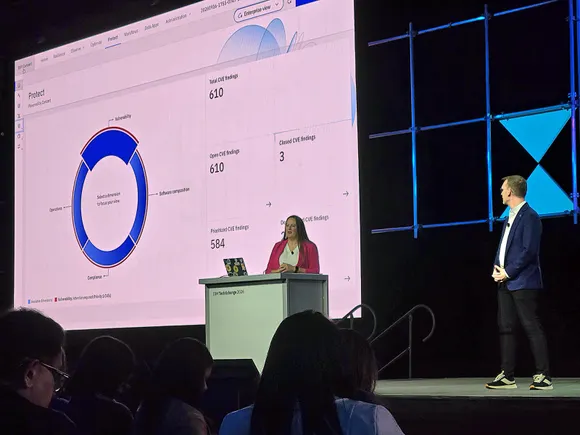
IBM TechXchange 2026: Exploring Agent Scalability and System Integration
At the forefront of technological advancements, IBM held its TechXchange event in 2026, spotlighting an essential theme: agent scalability. This concept, pivotal for organizations leveraging artificial intelligence, revolves around the ability of agents to efficiently operate as they manage various complex tasks. IBM’s approach focused on four fundamental layers—data, functions, permissions, and logs—addressing whether these layers can synergistically function as a cohesive system.
IBM representatives articulated that the scalability of agents is not merely about enhancing their individual capabilities but ensuring these four interconnected layers can work harmoniously. When these layers collaborate, agents can streamline operations, leading to more accurate outcomes. The emphasis was placed on minimizing the uncertainty agents face, allowing them to perform their functions more effectively.
The first layer, data, stands as the bedrock of agent functionality. The quality and volume of data fed into these systems directly influence an agent’s ability to learn and adapt. During discussions, experts highlighted the necessity for clean, structured, and accessible data. Organizations are urged to invest in data management frameworks that ensure agents receive appropriate and timely information to make informed decisions. The assumption here is that when agents have a wealth of reliable data, their operational accuracy and speed will significantly improve.
The second layer, functions, pertains to the set of tasks agents can execute. This refers to the algorithms and processes embedded within the AI models. IBM’s discussions noted the importance of ensuring that these functions are sufficiently diverse yet focused. In practical terms, this means crafting agents that can handle a wide variety of tasks but are also optimized for specific activities, reducing the cognitive load and allowing for smoother operations.
Addressing the third layer, permissions, emphasizes secure and compliant usage of data and systems. As agents are granted access to various resources, it becomes crucial to implement strict permission protocols. This not only protects sensitive information but also ensures that agents operate within the legal and ethical boundaries established by organizations. IBM’s approach advocates for a transparent permissions structure, which enhances trust and enables smoother interaction between agents and users.
Lastly, the logs layer encompasses the tracking and recording of actions performed by agents. This component is vital for evaluating agent performance and identifying areas for refinement. Attendees were encouraged to employ comprehensive logging practices that not only capture failures but also celebrate successes, thereby fostering an environment of continuous improvement.
IBM’s focus at TechXchange highlighted a fundamental question: Can these four layers truly synergize to create a unified system? This inquiry extends beyond technical implementation; it delves into the realm of organizational readiness and adaptability. Businesses must cultivate a culture that embraces technological change, ensuring their infrastructures are willing to support the collaborative efforts of these layers.
Moreover, the conversation also touched on the practical implications of achieving this synergy. If organizations can effectively integrate data, functions, permissions, and logs, they can reduce the guesses agents must make. This predictability is crucial for enhancing decision-making processes, thereby leading to more consistent outcomes.
Challenges remain, however. Companies need to be cautious about potential pitfalls, such as information silos, where departments may lack the mechanisms for sharing data and insights. Participants in the TechXchange shared real-world scenarios illustrating the consequences of these silos, emphasizing the need for an integrated approach to management.
In conclusion, IBM’s TechXchange 2026 underscored significant advancements in agent scalability through the lens of data, functions, permissions, and logs. While the event illustrated a promising future for AI agents, it also called for organizations to critically evaluate their internal processes and cultures. By fostering environments that encourage collaboration among these four layers, companies can unlock the full potential of their AI capabilities, moving towards a future where agents operate at peak efficiency with minimal guesswork.