


Agentic AI,
Artificial Intelligence & Machine Learning,
Governance & Risk Management
Forrester’s Allie Mellen on Preparing for a Mythos-Level Surge in Vulnerabilities
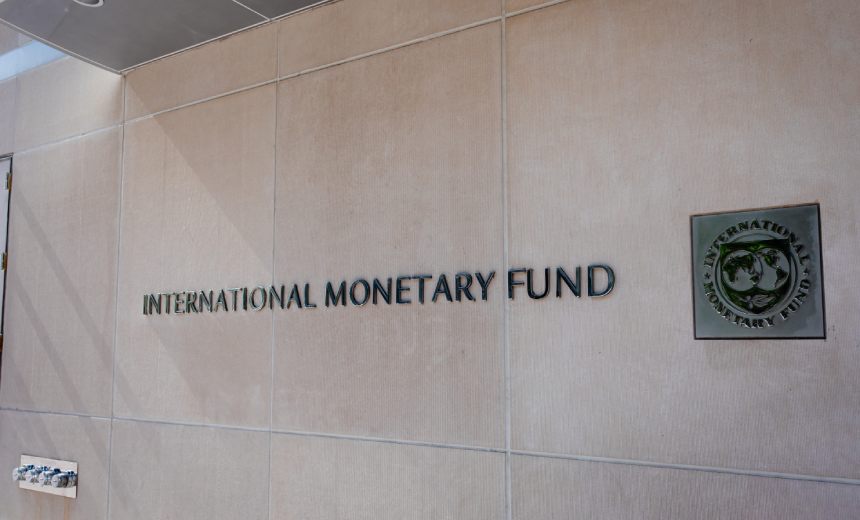
Recent developments highlighted by the International Monetary Fund (IMF) indicate that artificial intelligence (AI) has dramatically altered the cybersecurity landscape, particularly in the global financial sector. The IMF’s recent assertions label these changes as systemic threats that could endanger the stability of banking systems worldwide.
According to the IMF, malicious actors are increasingly employing sophisticated AI tools to penetrate financial infrastructures. This shift not only lowers the barriers for aspiring cybercriminals but also accelerates the frequency and intensity of cyberattacks. The interconnected digital framework—a combination of software, cloud services, and payment networks—exacerbates these risks. The IMF elaborated in a blog post on May 7 that if a single vulnerability is discovered and exploited simultaneously across multiple organizations, it could lead to catastrophic failures in the entire financial ecosystem.
Allie Mellen, a principal analyst at Forrester, emphasizes that financial services firms are at the forefront of addressing AI-related vulnerabilities. Compliance requirements, escalated costs associated with breaches, and heightened executive attention have positioned the financial sector ahead of many other industries in tackling these risks. She notes that the emergence of new operational models has amplified these problems, creating uneven competitive landscapes while embedding AI into various layers of data and systems.
The introduction of Anthropic’s Project Glasswing exemplifies proactive measures taken within the industry. This initiative has granted a select group of organizations early access to the Claude Mythos Preview model, facilitating the identification and remediation of zero-day vulnerabilities before wider release. Despite these efforts, the frontier AI model has uncovered thousands of previously obscured vulnerabilities, some of which had gone unnoticed for decades even with rigorous code scrutiny.
While the growing risk landscape presents challenges, AI companies are concurrently promoting products that integrate AI technologies across enterprise systems. Anthropic recently introduced a suite of AI-driven products aimed specifically at financial service executives. Meanwhile, OpenAI debuted Daybreak—a vulnerability scanning initiative intended to bolster cybersecurity defenses by collaborating with enterprise partners like Cloudflare, Cisco, CrowdStrike, Oracle, and Zscaler. Daybreak operates on its advanced GPT 5.5 models and is designed to expedite cyber defense mechanisms while ensuring continuous software security.
Currently, the Mythos model remains restricted to selected partners, a strategy Mellen notes is necessary due to the potential risks associated with its release. The offensive capabilities inherent in Mythos could threaten other systems if mishandled, but these same attributes also facilitate effective defenses. This limitation raises another critical concern discussed by the IMF: the uneven access to cutting-edge cybersecurity tools across different segments of the financial sector, potentially leading to vulnerable spots that could be perilous for the global economy.
As Mellen observes, the disparity in access to advanced AI capabilities tends to correlate with the size of financial institutions. Smaller organizations such as regional banks and credit unions grapple with the same threats as major firms like JPMorgan yet operate with significantly fewer security resources. The IMF’s alarming projections envision scenarios where attackers could exploit a vulnerability that exists in multiple institutions, culminating in the failure of entire systems due to a single flaw.
However, Mellen points out that while such a catastrophic breach is theoretically possible, it remains unlikely due to the uniqueness of individual enterprise architectures. She argues that vulnerabilities allowing privilege escalation within one firm might not be exploitable from outside another. Current evidence does not substantiate the likelihood of a coordinated, multi-stage attack affecting multiple financial institutions simultaneously.
The more pressing concern arises from the rapidly evolving vulnerability landscape. The predictable cycle of security updates, such as the traditional “Patch Tuesdays,” is quickly becoming outdated. “Given the pace at which new vulnerabilities are emerging, it’s probable that organizations will need to adopt more frequent patching schedules,” Mellen states. This shift compels development and security teams to manage an increasing number of vulnerabilities, necessitating quicker triage and remediation processes—an alignment that is essential for effective cyber defense.
In light of these emerging dynamics, the IMF has advised policymakers to shift their focus from mere prevention to resilience. They underscore the importance of preparing for inevitable breaches, recommending that IT teams prioritize containment and recovery efforts to prevent local breaches from escalating into systemic threats. However, Mellen contests this view. She argues that financial institutions should prioritize detection and prevention mechanisms over merely responding to incidents. “Maximizing resources into preventive measures is crucial, especially if headcount will remain unchanged,” she maintains.
The complexities of managing cyber capabilities are further intensified by the necessity for establishing governance frameworks that facilitate cooperation within our interconnected global economy. The IMF warns that cyber risks do not adhere to geopolitical boundaries. Regions with fewer resources may find themselves particularly vulnerable to cyber threats, and even seemingly innocuous public statements or contracts can unwittingly draw unwanted attention.
Recognizing these geopolitical factors, Anthropic has restricted access to the Mythos model in certain countries. Mellen further emphasizes the need for the financial sector to engage in consistent geopolitical risk assessment conversations. As nations develop indigenous AI technologies, potential risks associated with regional geopolitical dynamics must become intrinsic to the financial industry’s risk management strategies.
Despite the myriad challenges that lie ahead, Mellen conveys a sense of cautious optimism, believing that the financial sector can weather the impending storms if strategic decisions and investments are made promptly. Emphasizing the need to prioritize patching and application security measures, she asserts that the current moment offers a critical opportunity to glean insights from the emerging AI threat landscape and implement necessary changes to adequately protect existing systems.