
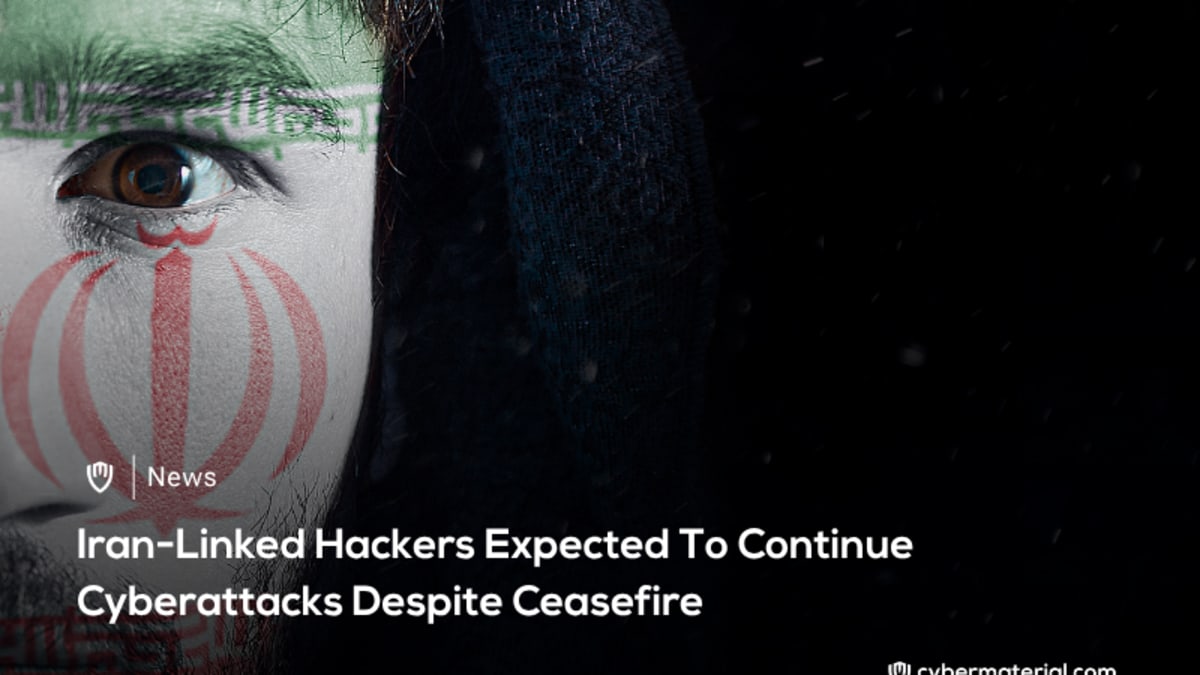
Cyber Warfare Continues Despite Ceasefire Between Iran, U.S., and Israel
Tehran-aligned hackers have issued a strong statement indicating that the recently established ceasefire between Iran, the United States, and Israel will not deter their ongoing cyber operations. American security experts are sounding alarms that critical infrastructure and private organizations should remain vigilant, as these digital groups are anticipated to shift their strategies toward long-term infiltration tactics.
The cyber groups supporting Iran have made it clear that their digital campaigns will persist despite the temporary halt in physical hostilities. One such group, known as Handala, recently announced it would momentarily pause its operations targeting American interests but would continue its offensive against Israel. In a public communication, Handala emphasized that cyber warfare has become an enduring element of modern conflict. This declaration underscores the complexities involved in de-escalating cyber hostilities, even when traditional armed conflicts reach a temporary ceasefire.
Handala operates within a broader network of pro-Iranian hacker groups, which have previously taken responsibility for notable breaches in security. Their targets have included an American medical manufacturer and the personal data of government officials. This network illustrates how Tehran employs various proxy entities to apply pressure and conduct espionage. Their messaging indicates a belief that cyberspace represents an independent battlefield that is unaffected by conventional military truces.
In response to the threat posed by these hackers, federal authorities in the United States have recently issued warnings concerning the infiltration of programmable logic controllers (PLCs). These systems are vital for automating essential industrial operations, including the functioning of water treatment facilities, power grids, and shipping ports. Such infrastructures are seen as prime targets for foreign actors aiming to sow domestic chaos. The FBI and various other security agencies have urged industrial organizations to bolster their cybersecurity measures immediately, seeking to avert potential system failures or direct sabotage.
Experts in the industry propose that the ceasefire could paradoxically escalate cyber activities rather than diminish them. With traditional military engagements stalling, hackers may find themselves with increased resources and time to pivot toward broader organizational targets, including defense contractors and technology companies that supported military efforts. This strategic shift lends itself to more extensive attacks on international infrastructure, moving beyond localized, tactical cyber strikes.
Moreover, there exists considerable apprehension regarding the potential for Iranian or Russian-aligned groups to orchestrate a significant cyberattack aimed explicitly at undermining the fragile ceasefire. Such an event would serve as a stark reminder of their ongoing presence within crucial networks and the capability to strike at will. Given the tenuous nature of the current political climate, with ongoing disagreements threatening to destabilize the truce, the digital sphere is anticipated to remain a significant arena for escalating tensions.
As organizations grapple with the ramifications of cyber warfare, experts are increasingly emphasizing the importance of stringent cybersecurity measures. The potential for sophisticated cyberattacks necessitates vigilance, especially for sectors critical to national infrastructure. The growing reliance on digital technologies across various industries amplifies the potential risks associated with cyber threats; thus, organizations are encouraged to adopt robust security protocols to mitigate these dangers.
In summary, the message from Tehran-aligned hackers resonates with the assertion that cyber warfare has evolved into a permanent facet of modern conflict. As the geopolitical landscape remains fraught with tensions despite a temporary ceasefire, the digital domain will likely experience continued hostilities. In light of these developments, stakeholders must prioritize the protection of critical infrastructure and remain engaged in proactive cybersecurity efforts to safeguard against potential threats from state-sponsored and grassroots hacking activities alike.