
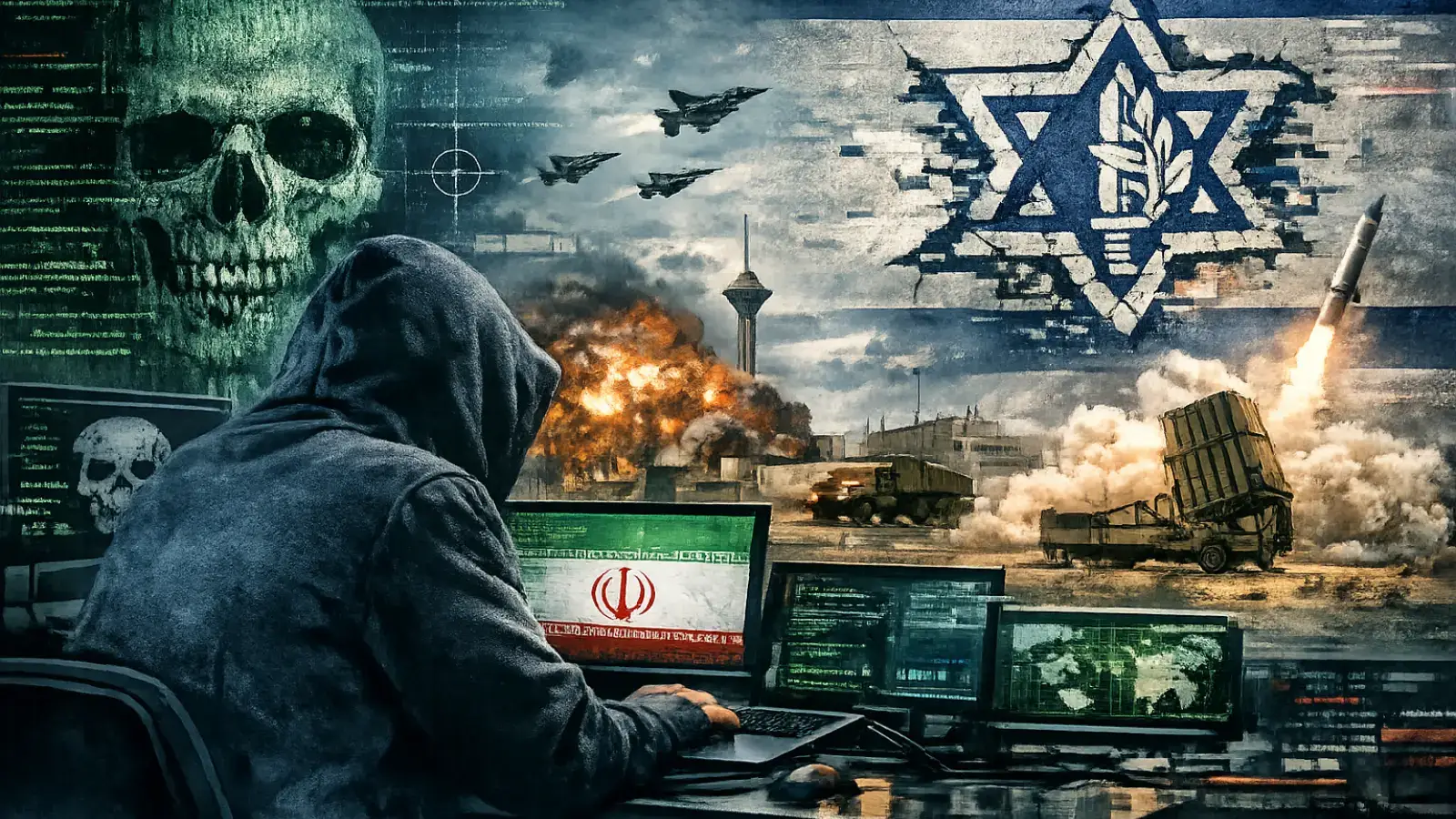
The international cybersecurity community has been shaken by a significant data breach targeting Israeli military infrastructure, raising concerns over national and operational security. The breach, attributed to Handala, a notorious Iranian nation-state threat actor, has resulted in the exposure of classified military information following an incursion into PSK Wind Technologies, a critical Israeli defense contractor.
PSK Wind Technologies is not just any corporate entity; it plays a pivotal role in constructing and maintaining military command and control centers for the Israel Defense Forces (IDF). This strategic positioning made the company an appealing target for Handala, who adeptly circumvented direct military firewalls by infiltrating the defense supply chain through this third-party vendor. Such tactics illustrate how cyber attackers exploit vulnerabilities within a nation’s defense infrastructure, dramatically altering the security landscape.
The scale of the data breach is staggering. As reported by the International Cyber Digest, the volume of stolen information underscores a deep and sustained intrusion into PSK Wind Technologies’ network. The ramifications of this breach are manifold, particularly because the leaked data represents a considerable compromise of sensitive operational security, endangering the very fabric of Israel’s military capabilities.
Leaked files from this breach offer an unprecedented glimpse into Israeli military operations. Handala has gone so far as to publish images depicting the interiors of active command and control centers, providing a rare and alarming look into the facilities where military planning and mission execution take place. The ramifications of exposing the layouts of these secure environments pose immediate risks, enhancing both physical and operational vulnerabilities.
In addition to revealing physical layouts, the data dump includes a treasure trove of internal documents that detail not only the day-to-day operations of the defense contractor but also their strategic communications—information that could be leveraged for future targeting or espionage. The hackers have also disclosed advanced technical schematics, including engineering drawings and photographs of critical communications hardware. Such detailed documentation amounts to revealing the inner workings of the IDF’s communication systems, offering rival intelligence agencies a comprehensive guide on how these systems are constructed, installed, and operated.
Experts have characterized the leak as enormous, pointing out that a nation-state group like Handala typically aims for espionage and disruption rather than mere theft. The implications for Israeli national security are profound, and the incident serves as a stark reminder of the escalating threats posed by supply chain attacks. These attacks exploit the interconnectedness of organizations, allowing adversaries to access heavily fortified government assets through vulnerabilities in private companies.
As cybersecurity analysts rapidly assess the full extent of the leaked files, the international community is on high alert. Discerning the long-term impact of this breach on regional security will be critical, as it poses questions about the effectiveness of current cybersecurity measures in the defense sector. Concerns regarding the integrity of classified information and the stability of Israel’s military operations have garnered focus, as the implications of such compromised data extend beyond immediate operational threats.
The breach exemplifies a more extensive trend of increasing cybersecurity risks for nations worldwide, especially as nation-state actors continue to sharpen their tactics. The targeting of private contractors to infiltrate defense systems reveals a growing sophistication in cyber warfare techniques, signaling a potential shift in how conflicts may be fought in the future.
This incident underscores not only the urgency for enhanced cybersecurity protocols within defense organizations but also the need for a reevaluation of existing strategies for protecting sensitive information. As the cybersecurity landscape continues evolving, the ramifications of such breaches will likely be felt for years, calling for vigilance and proactive measures in safeguarding national and operational security.