


The modern era has brought about a heightened concern for privacy, with data tracking becoming a major topic of discussion. As technology continues to advance, the amount of personal data that can be collected and utilized by various companies is raising red flags for consumers.
Car manufacturers, in particular, have introduced a new trend of offering subscriptions for services that were traditionally included in the purchase price of the vehicle. This has led to pushback from consumers, especially when features like heated seats were initially offered as a subscription option. Additionally, the operating system of modern cars has the capability to track and monitor the behavior of drivers, raising concerns about privacy and data security.
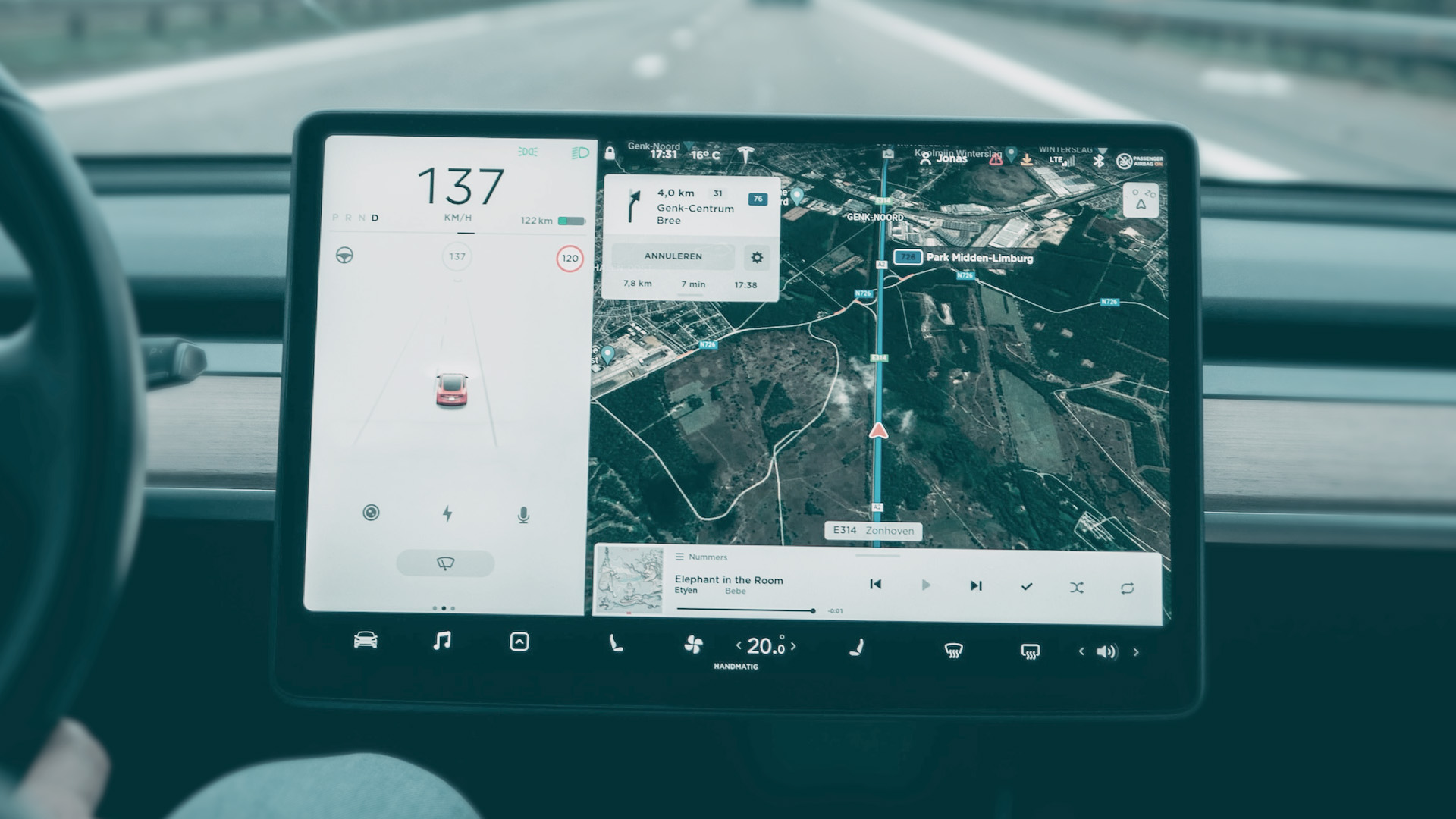
Modern cars are equipped with advanced infotainment systems that mirror the capabilities of smartphones, including GPS navigation, internet access, music and movie streaming, and even gaming. These systems are designed to monitor the usage and behavior of the driver, including the times and locations of every journey. However, this constant monitoring raises concerns about privacy and data security, as the collected data can potentially be accessed by unauthorized parties.
According to a study by The Washington Post, modern cars can generate up to 25 gigabytes of data per hour, including phone records and driving style. This data is sent back to the manufacturer, and in some cases, secondhand car systems have been found to contain personal information from previous owners. This raises concerns about the potential for data breaches and unauthorized access to personal information.
While connected cars offer various benefits such as improved safety and convenience, the collection and storage of personal data also present cybersecurity concerns. It is crucial for car owners to be aware of the potential risks and take steps to protect their personal data, such as factory resetting the in-car system before selling the vehicle and being cautious about connecting personal devices to the car.
In conclusion, the growing trend of data tracking in modern cars raises significant concerns about privacy and data security. As technology continues to advance, it is essential for car manufacturers to prioritize the protection of personal data and for consumers to take steps to safeguard their privacy in an increasingly connected world.