


Magnetic stripe cards were widely used two decades ago, despite their vulnerability to skimming and cloning by cybercriminals due to a lack of data encryption. As their security was lacking, they often required a signature for transactions, which added to the inconvenience. As a successor, chip-based cards offered enhanced security through data encryption, requiring insertion into payment terminals and authentication with a PIN. Nonetheless, they were still susceptible to cloning or information theft.
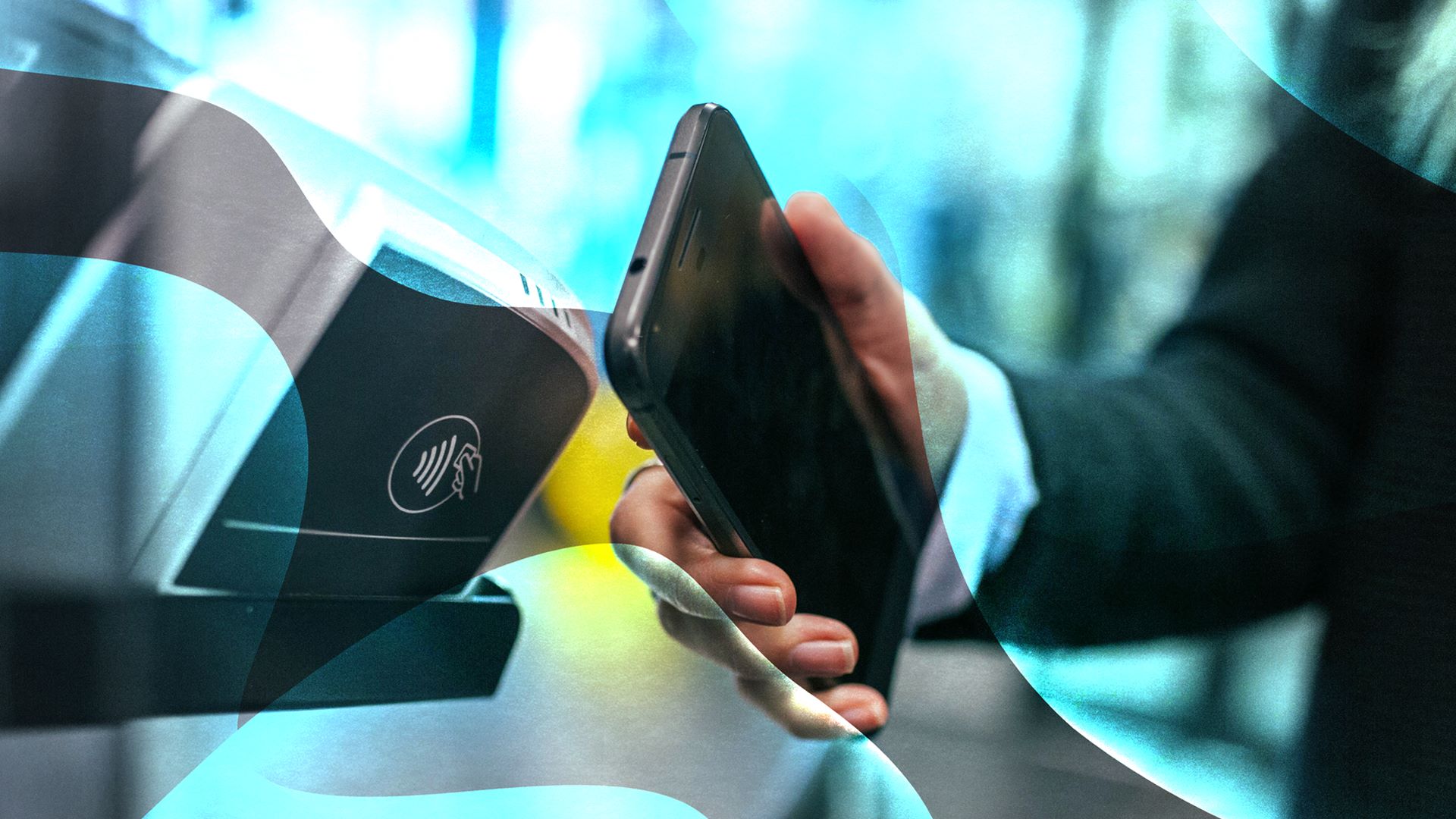
In the latter half of the 2010s, Near-field communication (NFC) emerged as a new payment standard, evolving from radio frequency identification (RFID). This technology made the original chip-based cards even more useful, enabling contactless transactions by simply tapping onto an NFC-enabled payment device. Furthermore, phones are now able to serve as payment methods through services such as Apple Pay or Google Pay, after uploading card details into the service.
The process through which NFC payment works is similar to Bluetooth or other wireless communication systems, utilizing radio waves to activate and verify the information being transmitted. However, NFC’s primary application being contactless transactions makes it more secure, yet it is not entirely invulnerable to cyberattacks.
Although NFC payments offer enhanced security, they are not infallible. Researchers have demonstrated potential attacks on NFC-enabled ATMs due to software bugs, as well as high-value fraudulent payments without additional authentication such as a PIN, in case of a stolen phone or credit card. Smartwatches, due to the lack of additional authentication beyond a short PIN, also pose security risks for transactions.
As for tips on how to make contactless payments more secure, using RFID blockers, setting up low payment limits, using phone payments, using cash, and avoiding smartwatches are some suggestions. However, no security solution can provide a 100% guarantee, but taking small, simple steps can go a long way towards making transactions less vulnerable.
In conclusion, NFC technology has brought about significant advancements in payment methods, providing more convenience and security for users. However, it is essential to remain vigilant and take steps to enhance the security of contactless payments in light of potential vulnerabilities.