
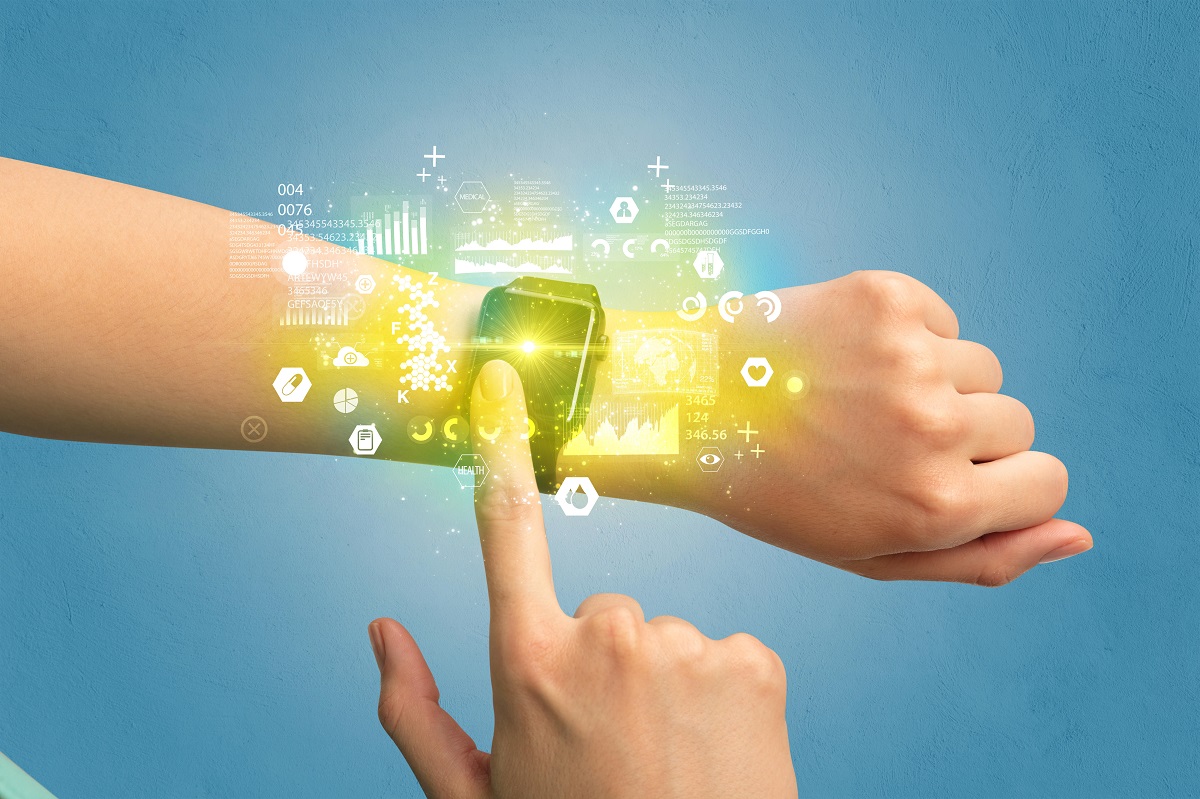


The rise of wearable devices has brought about significant improvements in the healthcare industry, enabling individuals to monitor their health more closely and receive medical attention promptly. However, these devices have also increased the potential for security breaches, threatening users’ personal information.
In 2018, Bobbi Leverette’s wearable defibrillator saved her life by administering a shock treatment that detected her irregular heart pattern. However, the manufacturer, Zoll, confirmed that over 1 million patients had their sensitive data exposed in a security breach. This highlights the vulnerability of such devices to cybercriminals who can access valuable user data through physical theft, wireless interception, cloud breaches, and other cyberattack techniques.
Leveraging the idiosyncrasies of wearable users, biometric verification has been proposed as an essential security measure. For instance, fingerprint verification, the easiest to implement, is reliable and computationally cheap. In another example, biometric identifiers based on a user’s heartbeat pattern can be utilized to verify the user when performing sensitive operations such as making payments.
Developers should code biometric verification to be used in combination with other methods of authentication, such as passwords or PINs. Moreover, the biometric data must be encrypted and stored locally on devices whenever possible, and users should be given the opportunity to revoke or change their biometric identifiers if needed.
Both developers and users must be aware of the types of data wearable devices collect, how they are stored and shared, and the risks involved in using public or unsecured Wi-Fi networks to sync data. To mitigate risks, users must also be educated on the importance of customizing their security settings and given the tools to do so.
As wearable devices are becoming more prevalent, biometric technology is essential in protecting users’ data and their lives. Advances in technology must always prioritize privacy and security, being the core foundations for each device. Lastly, understanding the risks and implementing these technologies work hand-in-hand in making the most out of these helpful devices.