
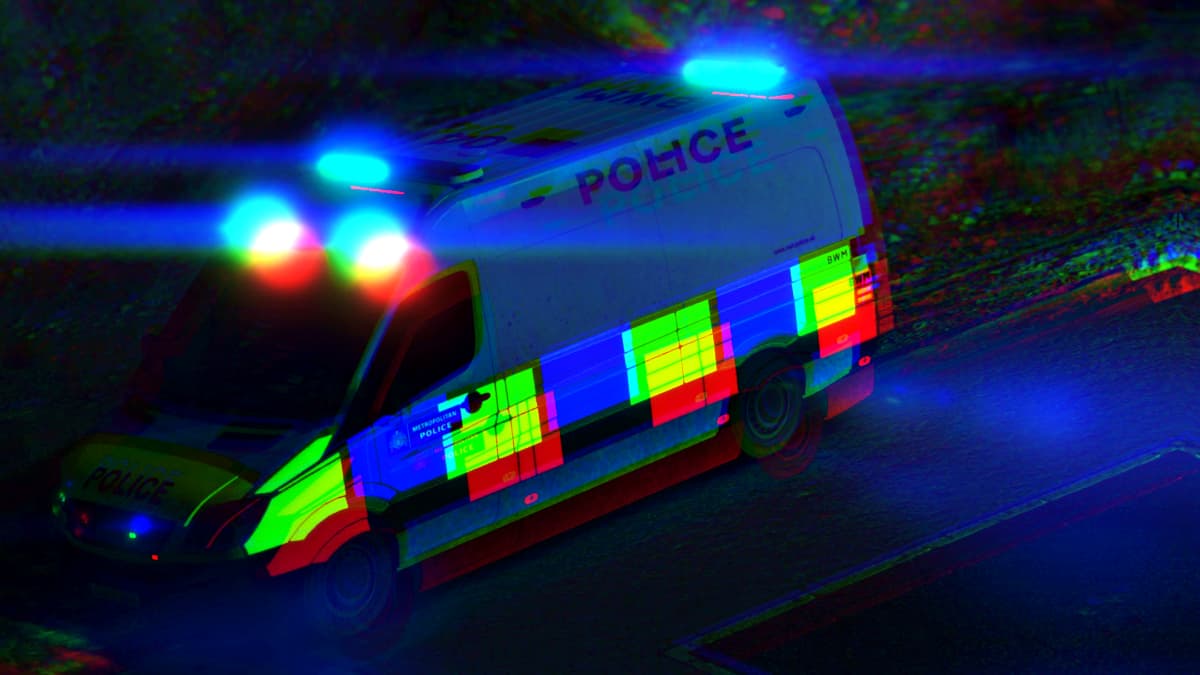


The Metropolitan Police Force is currently grappling with a significant data breach that has exposed the personal information of all 47,000 of its officers and staff. The breach, which occurred as a result of a cyber attack on the IT systems of a contractor responsible for printing warrant cards and staff passes, has raised serious concerns about the safety and integrity of the personnel.
The compromised information includes sensitive data such as names, photographs, ranks, vetting levels, and identification numbers. Although personal details like addresses, phone numbers, and financial information were not accessed, the breach has sparked widespread fears about the potential misuse of the exposed data.
Rick Prior, the vice-chair of the Metropolitan Police Federation, expressed deep concern over the breach and emphasized the importance of safeguarding the personal information of police officers and staff. He highlighted the crucial role that these personnel play in maintaining public safety and apprehending criminals, making their data security a top priority.
This breach has far-reaching implications beyond just the exposure of personal information. The National Crime Agency (NCA) has been called in to investigate the breach, as there are growing concerns that organized criminal networks or even terrorists could exploit the stolen data.
The severity of the breach becomes evident when considering that high-ranking officials and officers involved in top-secret operations have also been affected. Commissioner Sir Mark Rowley and Deputy Commissioner Dame Lynne Owens are among those whose information was exposed. This development raises concerns about the compromised data being used to target these individuals or disrupt critical operations.
Furthermore, counter-terrorism units and officers tasked with protecting the Royal Family have fallen victim to this breach, amplifying anxieties about potential security threats stemming from the compromised data.
The situation is further compounded by the possibility that undercover officers may need to be withdrawn from ongoing operations due to compromised identities, potentially undermining critical police work.
Unfortunately, this breach is not an isolated incident. It follows a series of similar data breaches affecting law enforcement agencies across the UK. Just recently, data on 10,000 Northern Ireland police personnel was inadvertently disclosed, underscoring the urgent need for improved data security measures across the board.
Experts, including ex-Met commander John O’Connor, have strongly criticized the breach, labeling it “utterly outrageous.” These incidents highlight the vulnerability of law enforcement agencies and the pressing need to prioritize robust data security measures.
The current breach involving the Metropolitan Police Force raises significant concerns about the safety and operational integrity of its officers and staff. The exposed personal information, including names, photographs, ranks, vetting levels, and identification numbers, has serious implications for the security of these individuals. The involvement of high-ranking officials and officers in top-secret operations further underscores the gravity of the breach.
As the National Crime Agency investigates the breach, there is growing apprehension about the potential exploitation of the stolen data by organized criminal networks or even terrorists. The breach has also shed light on the need for improved data security measures across law enforcement agencies in the UK.
It is crucial that lessons are learned from this incident to prevent similar breaches in the future. Strengthening cybersecurity measures and providing comprehensive training to employees can help fortify defenses against cyber attacks. The protection of personal information is of utmost importance to ensure the safety and effectiveness of law enforcement agencies in their crucial role of maintaining public safety.