
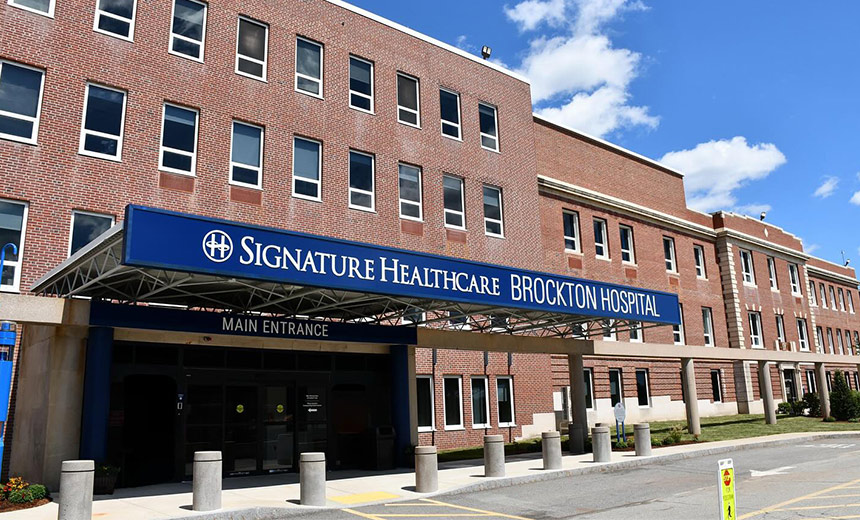
Signature Healthcare Faces Cyberattack Disruptions: Patient Services Impacted
In a significant incident affecting a healthcare system in Southeastern Massachusetts, Signature Healthcare is grappling with the repercussions of a cyberattack that came to light on Monday. The attack has led the organization to divert ambulance patients and halt certain medical services, including critical cancer treatments. The situation has escalated to the point where the healthcare provider has taken its electronic health records (EHR) system and patient portal offline, thereby impairing its ability to fill prescriptions at its retail pharmacies.
Located in Brockton, Massachusetts, Signature Healthcare operates a comprehensive medical group that employs 150 physicians across 15 care locations in the area, alongside the 216-bed Signature Healthcare Brockton Hospital. Despite the technological challenges posed by the cyber incident, the institution confirmed on Tuesday that inpatient care and emergency walk-in services remain operational. However, due to the incident, ambulance services are still being redirected, which illustrates the severity of the situation.
Although surgeries and certain medical procedures, such as endoscopies, continue as planned, the cancellation of chemotherapy infusion services poses a significant concern for cancer patients relying on ongoing treatment. The organization reassured the public that while their medical group and urgent care facilities are accessible, patients might encounter delays. Furthermore, the patient portal was announced to be unavailable as of Tuesday, along with offline electronic health records systems, further complicating care delivery.
The current cyberattack is not the first major disruption Signature Healthcare has contended with in recent years. In February 2023, Brockton Hospital faced a catastrophic electrical fire that forced it to close its doors for approximately 18 months. The hospital, affiliated with the prominent Beth Israel Deaconess Medical Center in Boston, underwent substantial renovations that included rebuilding its outpatient surgical facility, enhancing the emergency department, and implementing other improvements before its reopening in August 2024.
As a non-profit establishment that serves about 70,000 patients annually, Signature Healthcare is dedicated to providing essential medical services to the community. However, the organization has not yet responded to requests for additional information regarding the specifics of the cyber incident, leaving many questions unanswered about the extent of the breach and what measures are being taken to mitigate its effects.
This incident is reminiscent of a growing trend of cyberattacks targeting healthcare providers in recent weeks and months. These attacks have increasingly disrupted operations and affected patient care across several institutions. For example, in February, the University of Mississippi Medical Center experienced a debilitating ransomware attack that forced the closure of dozens of healthcare clinics throughout the state. This breach impacted UMMC’s Epic electronic health records system, along with their phone and IT infrastructure, for over a week. Notably, a cybercriminal group known as Medusa claimed responsibility, asserting that it had published stolen data, which included sensitive financial records of the institution, along with personal information of patients and employees.
Adding to the growing concerns, last week, the Nacogdoches County Hospital District in Texas disclosed that over 257,000 individuals might have had their personal information compromised during a cyberattack earlier in January. Such incidents underline the vulnerabilities that healthcare organizations face in a digital age where data security remains a critical concern.
As the landscape of cyber threats continues to evolve, the implications for patient health and safety cannot be overstated. Each incident serves as a stark reminder of the essential need for robust cybersecurity measures within healthcare systems, ensuring not just the protection of sensitive information but also the continuity of care for patients who rely on these vital medical services.
In summary, Signature Healthcare’s experience shines a spotlight on the broader challenges confronting healthcare providers in the face of mounting cyber threats. The full impact of the current cyberattack remains to be seen, and it is crucial for organizations in the healthcare sector to remain vigilant and prepared for the unexpected. The ongoing situation emphasizes the need for innovation in cybersecurity strategies to safeguard against potential future breaches that could disrupt patient care further.