
Understanding Agentic AI Risks and Securing All MCP Deployments
In a rapidly advancing digital landscape, the emergence of Agentic AI has made significant waves in enterprise cybersecurity. This trend necessitates a comprehensive understanding of the Model Context Protocol (MCP), a standard introduced in late 2024 by Anthropic. As organizations adopt this protocol, there is a need for heightened awareness around the potential risks associated with this technology. The MCP facilitates the integration of large language models (LLMs) and AI agents with various external tools, data sources, and prompt templates. However, while the innovation promises enhanced operational efficiency, it simultaneously creates an extended attack surface that can be exploited by malicious actors.
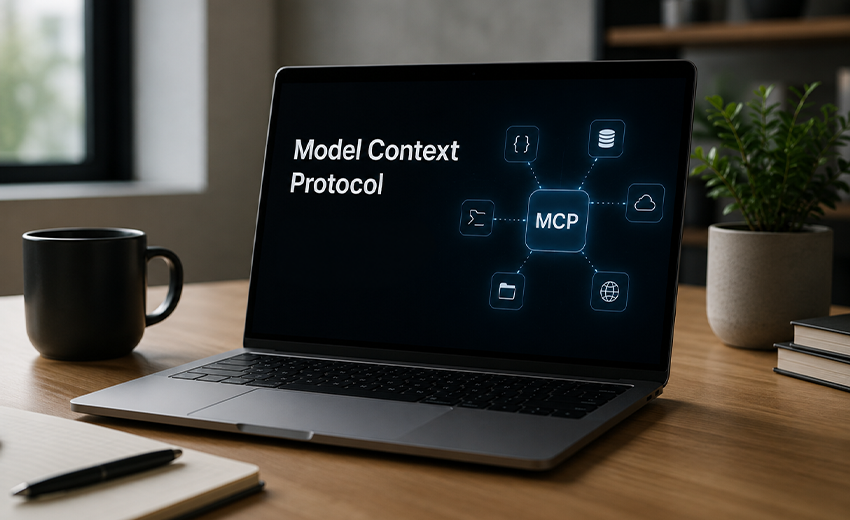
MCP acts as the connective tissue of the agentic AI era, composed of three core components: the MCP Host, which serves as the application running the AI; the MCP Client, which acts as the connector layer; and the MCP Server, which exposes specific tools and contexts like local files, SaaS APIs, or databases. As companies increasingly adopt MCP for its ability to transform passive chatbots into autonomous agents capable of executing tasks, the need for robust security measures becomes more pressing.
The Dynamics of Cyber Threats
One crucial aspect of cybersecurity within the context of MCP is that threats often arise from unexpected vectors. While many organizations focus their defenses on securing primary systems and applications, it is easy to overlook the significance of background operations—the “cooks” that handle essential integrations and protocols. This oversight leaves enterprises vulnerable to a variety of systemic risks.
With the growing adoption of MCP, organizations must recognize that its simplicity in integration comes at the cost of increased vulnerabilities. The security landscape is evolving, with new attack vectors emerging that present complex challenges. Recent advisories from security agencies warn of potential issues such as dynamic tool invocation and serialization vulnerabilities, which can allow unauthorized access and data manipulation.
Expanding Attack Surface
The integration of MCP into enterprise architecture significantly heightens the risk profile of organizations. As organizations connect AI reasoning engines to their critical tools, they unintentionally widen their exposure to possible exploitations—from theoretical prompt injections to real threats that involve remote code execution and data exfiltration.
Key vulnerabilities include:
-
Tool Poisoning and Rug Pull Attacks: Attackers might embed malicious code into a trusted tool’s description, which can then be executed without the user’s awareness. Rug pull attacks involve updating legitimate tools with harmful code, compromising all organizations relying on them.
-
Prompt Injection and Delegated Authority Abuse: Such threats occur when AI agents hold more privileges than the human users controlling them. Attackers can trick these agents into executing unauthorized commands.
-
Server-Side Request Forgery (SSRF): Malicious MCP servers can redirect requests, allowing unauthorized access to internal assets.
- Developer Environment Compromise (IDEsaster): Developers’ workstations are prime targets for cyber threats, especially as tools integrated with MCP surface hidden vulnerabilities.
Recommendations for Securing the MCP Ecosystem
The growing complexities and challenges associated with MCP demand actionable steps to secure this environment. Organizations must consider the entire agentic architecture as a continuum and implement comprehensive security strategies:
-
Inventory All MCP Servers: Visibility is foundational for security. Organizations must document and inventory all MCP implementations, actively monitoring for unauthorized connections and ensuring compliance with security policies.
-
Secure Authentication and Authorization: It is essential to separate authorization servers from resource servers to minimize risks. Employ robust protocols like OAuth 2.1 with Proof Key for Code Exchange (PKCE), and integrate enterprise Single Sign-On (SSO) to safeguard interactions.
-
Granular Access Control: Implement least-privilege principles to ensure that agents possess no more permissions than necessary for their basic functions. Access grants should be time-bound, limiting prolonged access to sensitive data.
-
Infrastructure Hardening: Solidify the backend infrastructure that houses MCP clients and servers. Use egress filtering to prevent external exploitation and employ sandboxing to prevent any execution environment breaches.
-
Developer Security Hygiene: Developers should undergo training focusing on the importance of auditing project files, understanding the risks of unwanted AI actions without checks, and maintaining updated security protocols.
- Continuous Monitoring: Establish a rigorous monitoring system to assess agent behavior, identifying unusual patterns of activity that may indicate a breach or ongoing attack.
In summary, as MCP transforms into a standard interface between AI systems and enterprise tools, the emphasis must shift from simply securing AI technologies to safeguarding their connections to broader systems and decision-making mechanisms. By implementing robust security frameworks, organizations can both harness the potential of Agentic AI and protect themselves from evolving threats.