
Microsoft Sounds Alarm on Sophisticated Phishing Campaigns Targeting Government and Public Sector Organizations
In a significant warning issued on Monday, Microsoft shed light on a new wave of sophisticated phishing campaigns that exploit OAuth URL redirection mechanisms. This alarming trend poses serious threats to government and public-sector organizations, enabling attackers to redirect unsuspecting victims to malicious infrastructure without needing to steal tokens or credentials.
The company, known for its extensive cybersecurity efforts, emphasized that these phishing attacks represent an identity-based threat. Unlike conventional phishing tactics that rely on credential theft or exploiting software vulnerabilities, these campaigns utilize the standard functionalities of OAuth. Microsoft’s Defender Security Research Team explained that OAuth includes a feature allowing identity providers to redirect users to particular landing pages under specific conditions, such as during error scenarios.
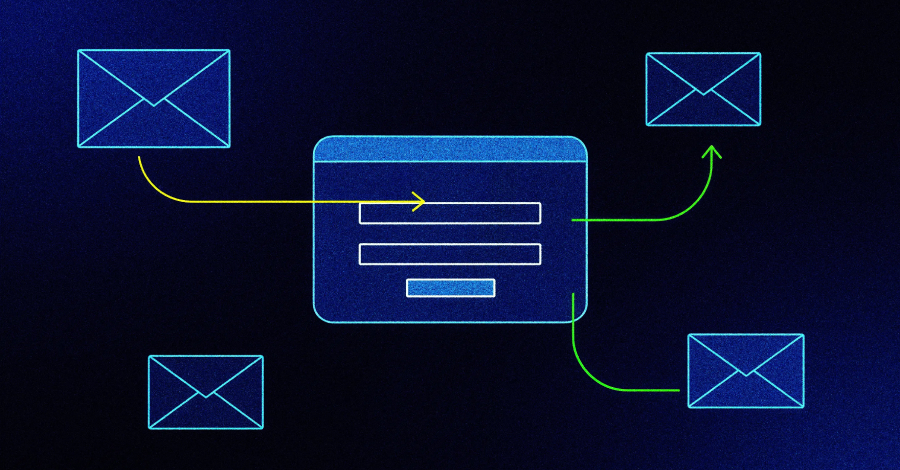
Microsoft’s researchers elaborated that attackers can manipulate this inherent feature by crafting URLs stemming from popular identity providers, such as Entra ID or Google Workspace. By using modified parameters or associating malicious applications with these URLs, cybercriminals can redirect users to seemingly harmless landing pages that ultimately lead to danger. This novel tactic allows phishing links to appear legitimate while masking malicious intentions.
The modus operandi of these attacks often begins with the creation of a malicious application operated by the threat actors within their control. This application is strategically configured with a redirect URL that points to a rogue domain designed to host malware. Attackers disseminate OAuth phishing links that require recipients to authenticate with the malicious application, often using an intentionally invalid scope that deceives the users.
Consequently, this redirection exposes users to unwittingly downloading and infecting their own devices with malicious software. Microsoft described how the malware is typically distributed via ZIP archives. When decompressed, these files trigger a series of PowerShell executions, DLL side-loading, and even pre-ransom activities, culminating in hands-on exploitation of the compromised systems.
Peering further into the mechanics of these attacks, Microsoft elaborated that the ZIP file delivered actually contains a Windows shortcut (LNK) that activates a PowerShell command upon opening. This PowerShell payload aims to conduct host reconnaissance through discovery commands. As part of this process, the LNK file extracts a Windows Installer (MSI) from the ZIP archive, dropping a decoy document designed to mislead the victim. Meanwhile, a malicious DLL, identified as "crashhandler.dll," is sideloaded via the legitimate "steam_monitor.exe" binary, creating a backdrop for the attack.
The nature of this DLL is particularly sinister, as it decrypts an additional file named “crashlog.dat” to execute its final payload in memory, allowing it to establish an outbound connection with an external command-and-control (C2) server. This connection could potentially enable extensive data breaches, posing significant risks to national security and public trust.
Additionally, Microsoft uncovered that the phishing emails deploying these malignant links often utilize themes related to e-signature requests, Teams recordings, and sensitive topics like social security and finance to entice users into action. The emails are typically sent through mass-sending tools and custom solutions developed in programming languages such as Python and Node.js. In many cases, the links are incorporated either directly in the body of the email or embedded within PDF documents, making them all the more difficult to detect.
To enhance the credibility of these phishing efforts, attackers have been observed passing target email addresses through the state parameter using various encoding techniques. This ingenious manipulation allows the link to automatically populate the phishing page with the recipient’s email address—blurring the lines of authenticity and luring users into a false sense of security. Under normal circumstances, the state parameter serves to correlate request and response values randomly.
While several campaigns have aimed to deliver malware directly, others redirect users to pages hosted on phishing frameworks like EvilProxy. This type of phishing framework acts as an adversary-in-the-middle (AitM) kit, effectively intercepting credentials and session cookies, further complicating the cybersecurity landscape.
In response to these discoveries, Microsoft has actively removed multiple malicious OAuth applications linked to the campaigns. The tech giant has also urged organizations to proactively limit user consent, conduct regular reviews of application permissions, and eliminate overly privileged or unused applications to bolster their defenses against these insidious phishing attempts.
This latest alert from Microsoft serves as a stark reminder of the evolving nature of cyber threats and the imperative for organizations to remain vigilant. The company continues to advocate for enhanced security measures in light of these advancing phishing techniques, underscoring the importance of user awareness and robust cybersecurity protocols in safeguarding sensitive information and maintaining public trust in digital interactions.