
Microsoft Enhances Windows 365 Offerings with New Cloud PC Devices
In a significant move to expand its hardware ecosystem, Microsoft has announced the introduction of two new Windows 365 Cloud PC devices: the ASUS NUC 16 for Windows 365 and the Dell Pro Desktop for Windows 365. This exciting development is poised to diversify the hardware options available for the company’s innovative cloud-based desktop service, which has been gaining traction among businesses and remote workers alike.
Both devices are scheduled to launch in the third quarter of 2026, although availability will depend on the specific model and region. This careful rollout illustrates Microsoft’s strategic approach to meeting the demands of various markets.
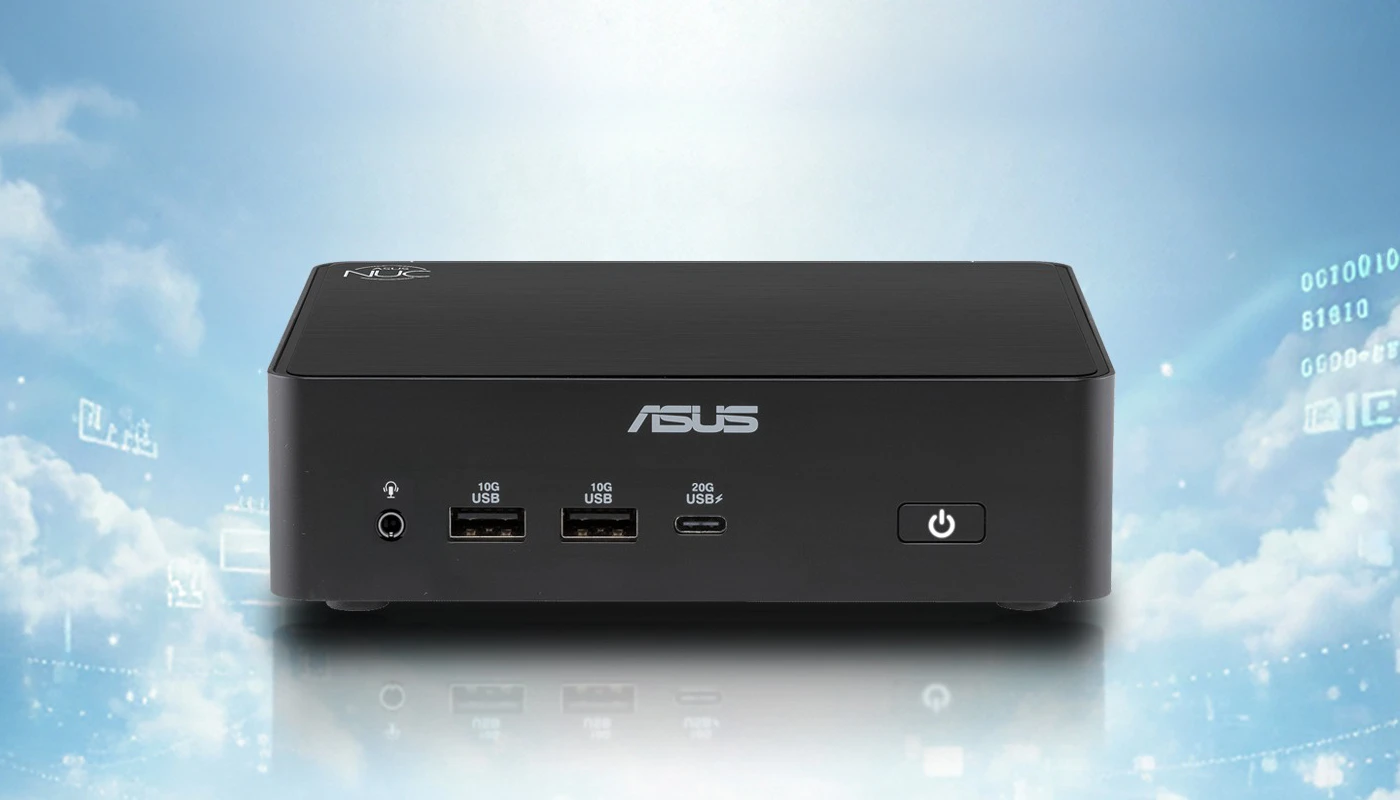
The ASUS NUC 16 for Windows 365 is particularly noteworthy. This compact mini PC, measuring just 0.7 liters, is designed with flexibility in mind. Its small form factor allows for convenient deployment, including the capability to mount it discreetly behind a display. It supports an impressive tri-monitor setup, accommodating up to three screens simultaneously via HDMI and USB-C connections. This feature is particularly appealing for users who rely on multitasking and require a more extensive digital workspace.
On the other hand, the Dell Pro Desktop for Windows 365 exemplifies modern design and efficiency. It is a fanless system, which minimizes noise while maximizing performance. Like its ASUS counterpart, it supports multiple connectivity options and can also handle up to three displays. These features are essential for professionals who value a quiet working environment and a tidy workspace free from bulky equipment.
As companies increasingly adopt hybrid work models, the demand for efficient, flexible cloud computing solutions has surged. Microsoft’s commitment to enhancing the user experience with these new devices is evident from its statement about the Cloud PCs. According to the company, all Cloud PC devices boot directly into Windows 365, providing users with a secure and familiar Windows environment hosted in the Microsoft Cloud. This ensures not only a seamless transition for new users but also the continuity of experiences that existing users have come to appreciate.
Additionally, the management of these devices is straightforward, as they are designed to integrate smoothly with Microsoft Intune, making device management simple for IT departments. Each unit comes pre-installed with a specialized version of Windows called Windows CPC, configured to be secure and receive automatic updates. This reduces the burden on IT resources and makes it easier for organizations to maintain compliance and security.
Moreover, Microsoft has outlined plans for updates to the Windows CPC operating system, expected to roll out in the second quarter of 2026. These updates are anticipated to introduce several notable features, such as the ability to pair Bluetooth devices during the initial setup process. Such enhancements not only simplify the onboarding experience but also offer significant convenience for users who rely on wireless peripherals.
Furthermore, tenant branding options will allow organizations to customize the user’s sign-in screen, incorporating personal touches such as wallpapers, logos, and organizational names. This feature is particularly valuable for businesses looking to reinforce their brand identity even in a cloud-based environment.
The introduction of the ASUS NUC 16 and the Dell Pro Desktop for Windows 365 comes on the heels of Microsoft’s earlier success with the Windows 365 Link, the company’s first Cloud PC device, which was launched in April 2025. The success of the initial device has set the stage for these new entries to potentially capture further market share in the cloud computing landscape.
The demand for flexible, secure, and efficient computing solutions continues to rise as more organizations transition to a hybrid work model. Microsoft’s initiative to expand its Windows 365 offerings through new dedicated hardware is a clear indication of its commitment to meeting the evolving needs of businesses around the world.
As the technology landscape continues to evolve, Microsoft appears poised to remain at the forefront of the cloud computing revolution, offering solutions that are not only innovative but also tailored to the specific needs of modern organizations. With the launch of these new Cloud PC devices just around the corner, interest is sure to grow in how these advancements will further enhance productivity and connectivity for users across various sectors.