
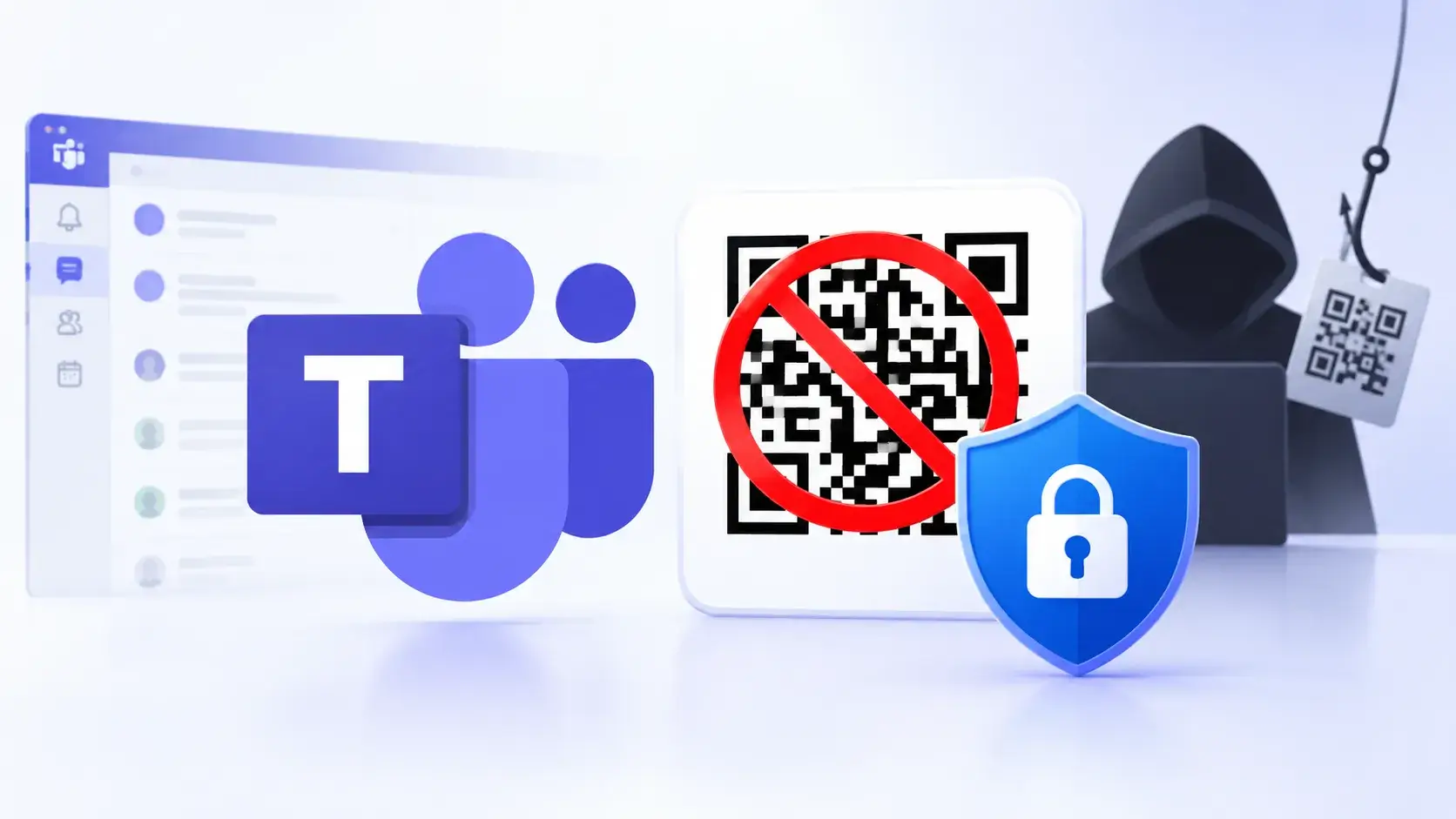
Microsoft is advancing its security measures for the Teams messaging platform by developing a new feature aimed at obstructing QR codes sent by external users. This initiative is primarily designed to help organizations combat the rising threats of phishing and fraud linked to nefarious QR code campaigns. With this feature, Microsoft aims to bolster its commitment to user security and contribute to a safer messaging environment within the organization.
This new functionality is currently in the development phase and is scheduled for a rollout in October 2026. According to documentation under Microsoft 365 Roadmap ID 570439, the feature will be available across various platforms, including Android, iOS, desktop, and Mac, ensuring that a broad range of users can benefit from enhanced security. The rollout will cater to users in worldwide standard multi-tenant cloud environments, making it a global initiative.
### Microsoft Teams QR Code Protection Initiatives
The upcoming security enhancement specifically targets QR codes embedded in images shared through Teams messages by external senders. Instead of allowing immediate visibility of the QR code, Teams will obscure the image content by default. This decision aims to introduce an additional layer of caution for users, preventing impulsive interactions with potentially harmful content.
To view or scan the QR code, users will need to take deliberate action to unmask it. This design choice serves to disrupt impulsive behaviors that may result from manipulative tactics employed by cybercriminals. Attackers often use urgency, impersonation, or social-engineering strategies to pressure individuals into scanning a QR code without considering the associated risks.
As the cybersecurity landscape evolves, QR code phishing—commonly termed “quishing”—has emerged as a notably effective social-engineering technique. This method allows malicious actors to conceal harmful destinations within a seemingly harmless image, thus complicating the decision-making process for users. Attackers can embed links to credential-harvesting websites, malware distribution platforms, spoofed authentication portals, or fraudulent payment processing pages within QR codes. Unlike traditional URLs, QR codes can be more difficult for users to analyze before engaging with them, making them a favored tool among cybercriminals.
A particularly alarming aspect of this phishing technique is that victims may scan these codes using personal mobile devices, effectively circumventing corporate browser controls, endpoint protection measures, and email security protocols designed to safeguard organizational data. This underscores the importance of the new Teams feature, which introduces a friction point between the user and the QR code.
While this measure does not entirely eliminate the inherent threats posed by QR codes, it encourages users to verify the sender and consider the context of the message before scanning an unexpected code. The added steps may help reduce the success rate of QR-based phishing campaigns conducted through collaboration platforms like Microsoft Teams.
Additionally, this new security feature complements existing protective measures within Teams, such as external access policies, guest controls, message monitoring capabilities, identity protections, and user awareness training. Organizations are urged to review their external communication settings on Teams prior to the feature’s rollout. Equally important is the emphasis on employee education regarding the potential dangers associated with unsolicited QR codes.
Security teams within organizations should strongly advise employees to treat QR codes from unknown or unexpected external contacts as potentially harmful. Before revealing or scanning any such code, users should independently verify the sender via a trusted communication channel. Employees should also exercise caution and refrain from entering corporate credentials on any websites accessed through links generated by QR codes.
Microsoft has marked this protective feature for both Targeted Release and General Availability, indicating its intention to ensure it is accessible to both select and broader audiences. The roadmap entry for this initiative was added and last modified on September 3, 2026, with deployment slated to commence in October.
As the tech giant continues to innovate in the cybersecurity space, businesses and users alike are advised to stay informed about new developments and ensure their security operations centers (SOCs) remain updated on active malware and phishing threats, ideally within 24 hours of their emergence.